
Escape for Connection: How Thwarted Needs Drive Facebook Addiction
The interplay of intrinsic need satisfaction and Facebook specific motives in explaining addictive behavior on Facebook
This study investigates Social Network Site (SNS) addiction by developing a validated Facebook Addiction Scale and examining the psychological drivers behind problematic use. The researchers utilize Self-Determination Theory (SDT) and Uses and Gratifications (U&G) theory to demonstrate how thwarted offline intrinsic needs lead to addictive behavior via specific online motives.
TL;DR
Is social media addiction a disease of the medium or a symptom of the user's offline life? This seminal study argues it is the latter. By surveying 581 users, the researchers found that when people feel a lack of Autonomy, Competence, or Relatedness in their daily lives, they turn to Facebook as a "psychological refuge." However, the very motives that provide relief—such as escapism and self-presentation—are the primary drivers that lead to a pathological loss of control.
Problem & Motivation: The Search for Specificity
For years, "Internet Addiction" was a catch-all term. However, being addicted to "the Internet" is as vague as being addicted to "electricity." The authors argue we must look at specific applications. Facebook, with its unique interactive dynamics, offers a specific set of gratifications that make it particularly "psychoactive."
The core mystery the authors aimed to solve was the interplay between one's offline psychological state and their online behavior. Why do some people use Facebook for 10 minutes and leave, while others spiral into a 5-hour compulsion?
Methodology: Bridging Two Theories
The study combines two heavyweights of psychological theory:
- Self-Determination Theory (SDT): Focuses on three innate needs: Autonomy (feeling free), Competence (feeling capable), and Relatedness (feeling connected).
- Uses and Gratifications (U&G): Focuses on why people actively choose certain media to fulfill specific desires.
The Model
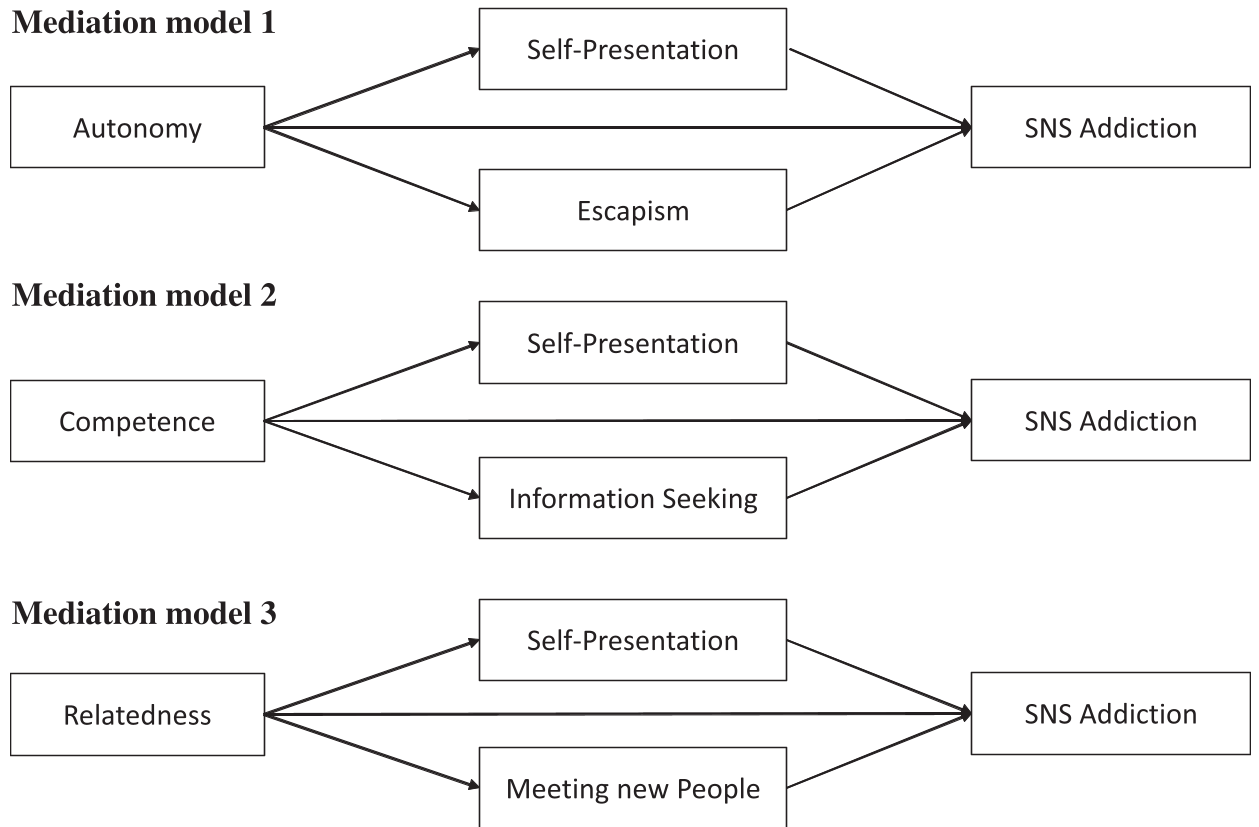
The authors hypothesized that when these three intrinsic needs are "thwarted" (unmet) offline, users are driven to Facebook to obtain specific gratifications, which then fuel addiction.
Methodology: The New Scale
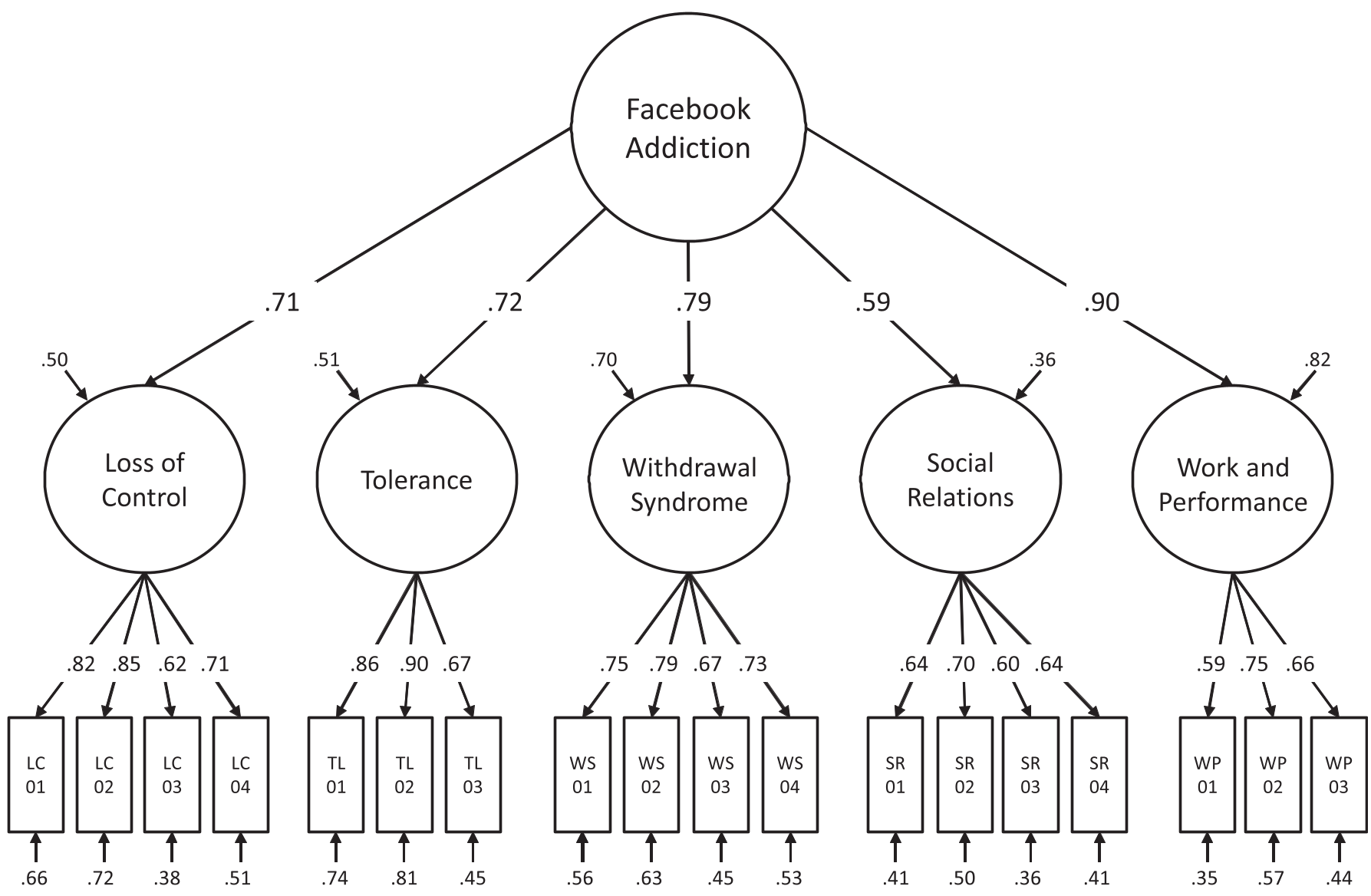
To test this, they modified Hahn and Jerusalem’s Internet Addiction Scale specifically for Facebook. They measured five critical dimensions:
- Loss of Control: "Just a few more minutes!"
- Tolerance: Needing more time to get the same "fix."
- Withdrawal: Nervousness when away from the site.
- Social/Work Consequences: Damaged relationships or failing concentration at work.
Results: The Paradox of Compensation
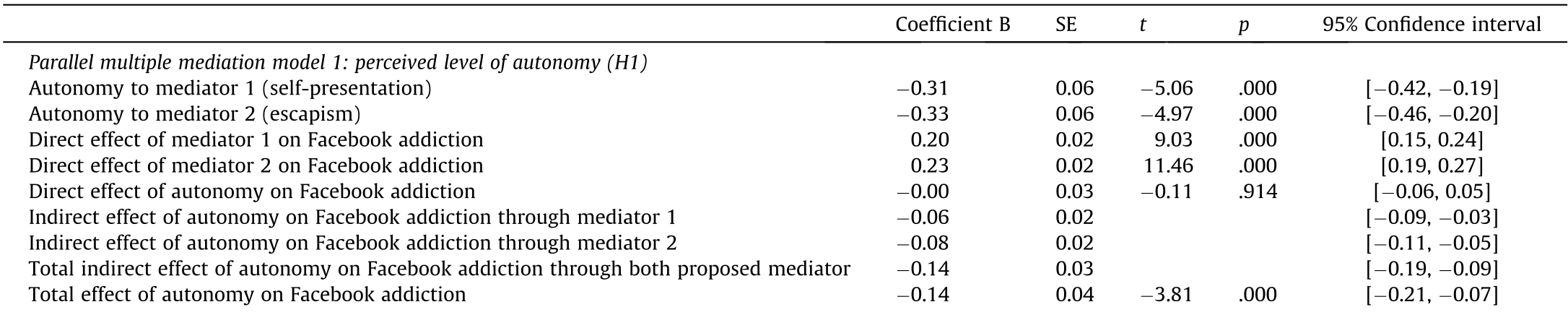
The data supported a mediation effect, meaning the offline environment doesn't cause addiction directly; it causes it by changing why people use the platform.
- Thwarted Autonomy: People who feel pressured or controlled in real life use Facebook for Escapism and Self-presentation. This leads to a "perfect mediation" where the motive is the sole bridge to addiction.
- Thwarted Competence: Those who feel ineffective offline use Facebook to seek Information and build a competent digital persona. Interestingly, low competence also had a direct effect on addiction, suggesting a deeper vulnerability.
- Thwarted Relatedness: Loneliness drives the motive to Meet New People and manage an image (Self-presentation), which in turn leads to addictive patterns.
Critical Insight: The "Psychological Refuge" Trap
The study concludes with a sobering paradox. For a user lacking offline fulfillment, Facebook is a valuable refuge. It provides a sense of capability and connection that the "real world" denies them. However, because these online gratifications are so rewarding compared to the offline void, they reinforce the behavior until it becomes compulsive.
The technical takeaway for researchers is clear: We cannot treat SNS addiction by looking at screen time alone. We must look at the "thwarted needs" the user is trying to heal.
Limitations & Future Work
- Cross-sectional Data: Because the data was collected at one point in time, we can't definitively say if low need satisfaction causes addiction or if addiction leads to lower life satisfaction (though theory suggests the former).
- Self-Selection: The sample was slightly younger and more female-dominated than the general population.
- The Next Frontier: Future research needs to apply this to the "Attention Economy" of 2024, where algorithms actively exploit these thwarted needs to maximize retention.
Conclusion
This research highlights that Facebook addiction is not just a lack of willpower; it is a theory-driven compensatory behavior. When the offline world fails to provide autonomy, competence, or relatedness, the "digital world" stands ready to fill the gap—at a potential cost to the user's mental health.