
HIoT Systems: A Systematic Review of Techniques, Architectures, and Future Trends
A systematic review of IoT in healthcare: Applications, techniques, and trends
This paper presents a comprehensive Systematic Literature Review (SLR) of 146 studies on the Healthcare Internet of Things (HIoT) published between 2015 and 2020. It introduces a multi-dimensional taxonomy—classifying research into sensor-based, resource-based, communication-based, application-based, and security-based categories—and establishes a SOTA baseline for evaluation metrics and future research directions.
TL;DR
As the world's population ages and infections like COVID-19 demand remote solutions, the Healthcare Internet of Things (HIoT) has become the backbone of modern medicine. This systematic review of 146 papers breaks down HIoT into five critical pillars—Sensors, Resources, Communication, Applications, and Security—identifying how fog computing and AI are driving the transition from reactive to proactive personalized healthcare.
Motivation: Why HIoT is Broken
Despite the hype, HIoT faces a "chaos of standards." Most existing systems are siloed, focusing on a single sensor or one specific security protocol without considering the bigger picture of interoperability or energy efficiency. The authors argue that without a systematic taxonomy, researchers are effectively "reinventing the wheel" in simulation environments (57% of papers) without addressing the harsh constraints of real-world medical deployments.
The Taxonomy of Healthcare IoT
The paper organizes the HIoT ecosystem into a logical stack:
1. Sensor-Based Approaches
Divided into Wearable (monitoring vitals like ECG/GSR) and Environmental (smart home sensors). The goal here is "unobtrusive sensing"—collecting data without disrupting the patient's quality of life.
2. Resource-Based Tactics
Since medical sensors are battery-constrained, managing tasks is a life-or-death matter. This includes:
- Offloading: Moving heavy computation to fog nodes to save device energy.
- Scheduling: Ensuring a "heart attack alarm" gets priority over a "routine temperature check."
3. Communication & Privacy
HIoT utilizes WBANs (Wireless Body Area Networks) and RFID. However, security remains the "Achilles' heel," with 37% of research focused on building robust authentication to prevent malicious tampering with EMR (Electronic Medical Records).
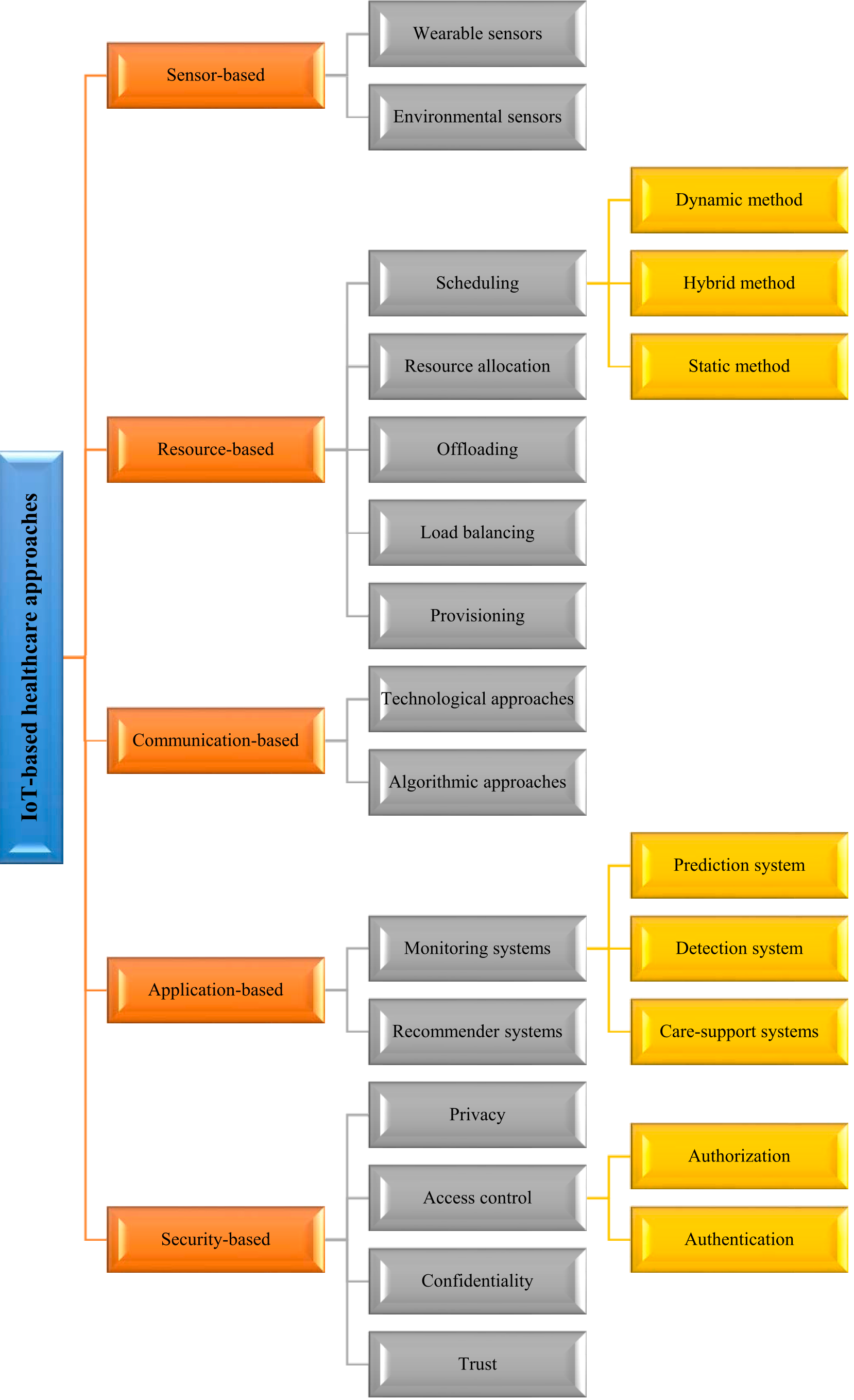 Figure 1: Comprehensive Taxonomy of IoT-based Healthcare Systems.
Architecture: The Move to the Edge
The review highlights the standard four-layer HIoT architecture: Perception, Networking, Middleware, and Application. The critical shift noted is the integration of Fog Computing.
By processing data closer to the patient, systems can achieve:
- Reduced Latency: Vital for stroke or seizure detection.
- Bandwidth Efficiency: Only "abnormal data" is sent to the cloud.
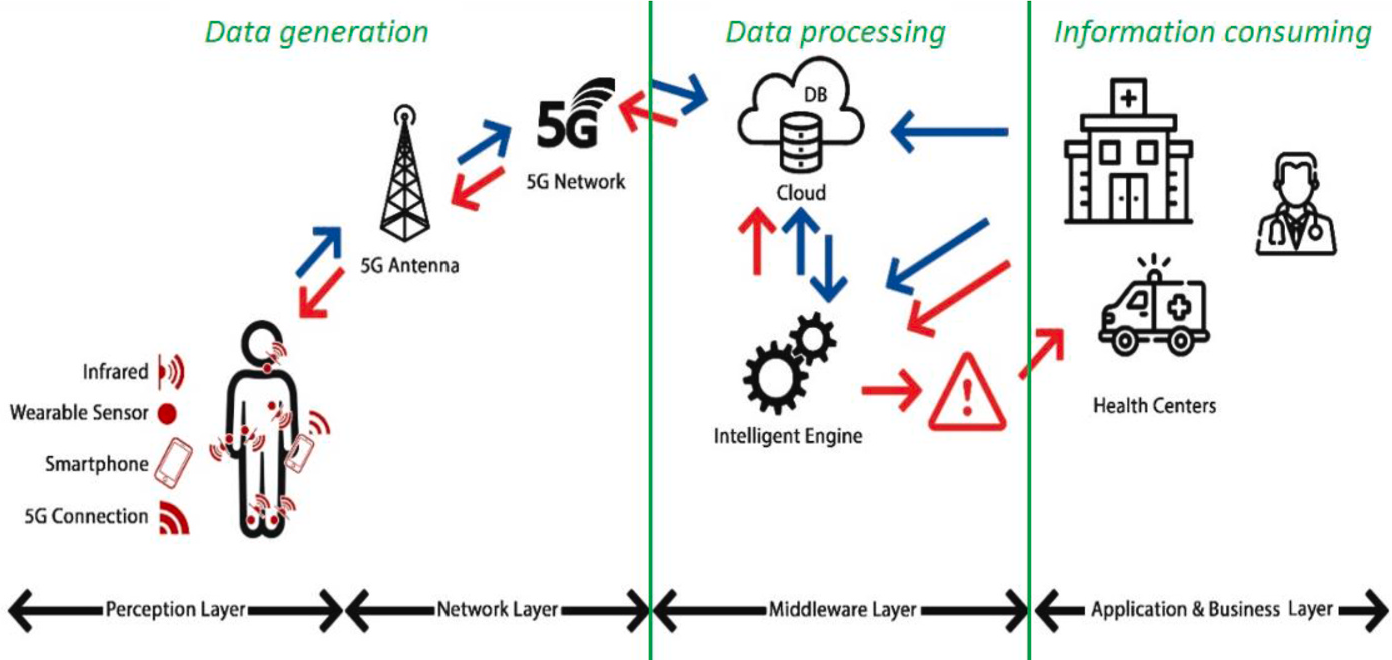 Figure 2: The layered architecture of HIoT workflows.
Critical Analysis: What’s Missing?
While research is booming, the authors point out several "low points" in the current state of the art:
- Simulation vs. Reality: Too many papers use MATLAB, while only 24% provide real-world testbed results.
- The Security Paradox: While many papers focus on security, they often forget that complex encryption kills battery life (Energy vs. Security tradeoff).
- Scalability: Most systems work for 10 users but fail when a smart hospital needs to manage 10,000.
Future Horizons
Looking toward 2026 and beyond, the review identifies three "game-changers":
- Blockchain: For decentralized, immutable medical records.
- Tactile Internet: Enabling remote robotic surgery with sub-millisecond haptic feedback.
- IoNT (Internet of Nano Things): Nanobots for precision drug delivery within the human bloodstream.
Conclusion
HIoT is no longer just about "connected heart monitors." It is a multi-objective optimization problem involving power, trust, and real-time analytics. For the industry to mature, we must move past simulations and focus on interoperable, scalable frameworks that bridge the gap between a sensor on the skin and a doctor's decision.
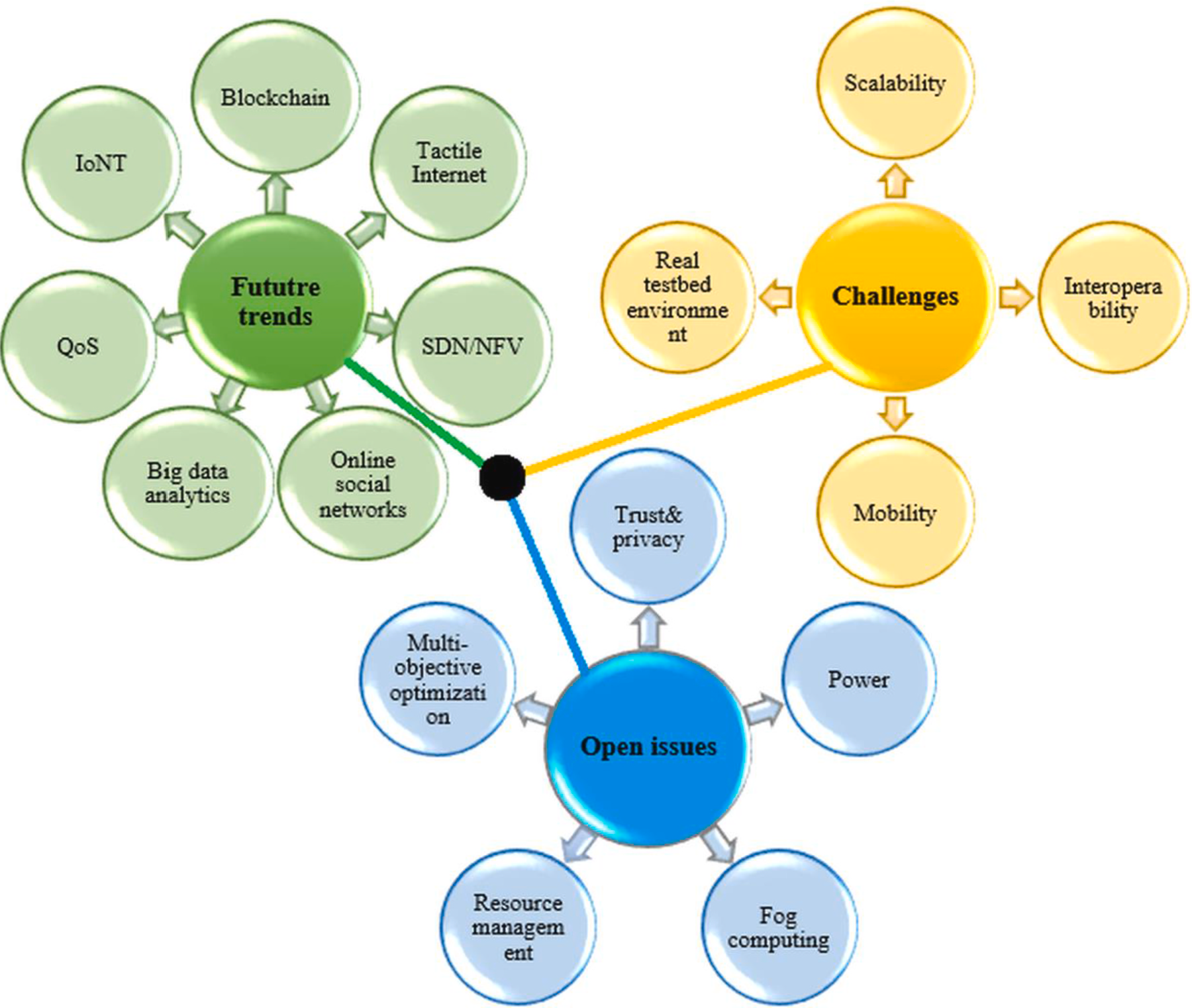 Figure 3: Overview of Open Issues and Future Directions.