
Kei-Tying Teens: Why New Friends, Not Old Ones, Drive Mobile Obsession
Kei-Tying teens: Using mobile phone e-mail to bond, bridge, and break with social ties—a study of Japanese adolescents
This study investigates the socio-psychological impact of mobile phone e-mail (SMS/texting) on the social networks of Japanese adolescents. Using a stratified random sample of 501 Tokyo high school students, the research employs multivariate regression to analyze how digital communication facilitates bonding with close ties, bridging to new connections, and breaking existing relationships.
TL;DR
Is the constant pinging of an adolescent’s phone just about gossiping with best friends? According to Boase and Kobayashi’s seminal study on Japanese "Keitai" (mobile) culture, the answer is no. While teens certainly use e-mail to bond with their inner circle, the intensity of their usage is actually driven by bridging—the act of forming and maintaining new connections during social transitions.
The "Bonding" Myth vs. Social Fluidity
For years, the academic consensus was that mobile phones acted as "intimacy enhancers," allowing teens to stay in a permanent state of contact with their closest friends. However, this perspective ignored a fundamental truth about being sixteen: social networks are incredibly fluid.
Adolescence is defined by transitions—moving from junior high to high school, joining new clubs, and meeting new people. The authors argue that if we only look at "bonding," we miss the "why" behind heavy usage. They hypothesized that the mobile phone is less of a "digital tether" to the past and more of a "bridge" to the future.
Methodology: Looking Under the Hood of Tokyo’s Youth
The researchers surveyed 501 first-year high school students in Tokyo, a demographic that was among the world’s earliest adopters of mobile e-mail. They categorized social behaviors into three buckets:
- Bonding: Strengthening existing close ties.
- Bridging: Keeping in touch with newly met people or schoolmates from different schools.
- Breaking: Neglecting or ending weak ties in favor of new ones.
The Analytical Framework
To ensure the results weren't just skewed by "talkative" personalities, they controlled for non-social factors like:
- Gender: (Females typically message more).
- Allowance: (Financial backing for mobile bills).
- Commuting Time: (Tokyo’s long train rides offer ample "dead time" for texting).
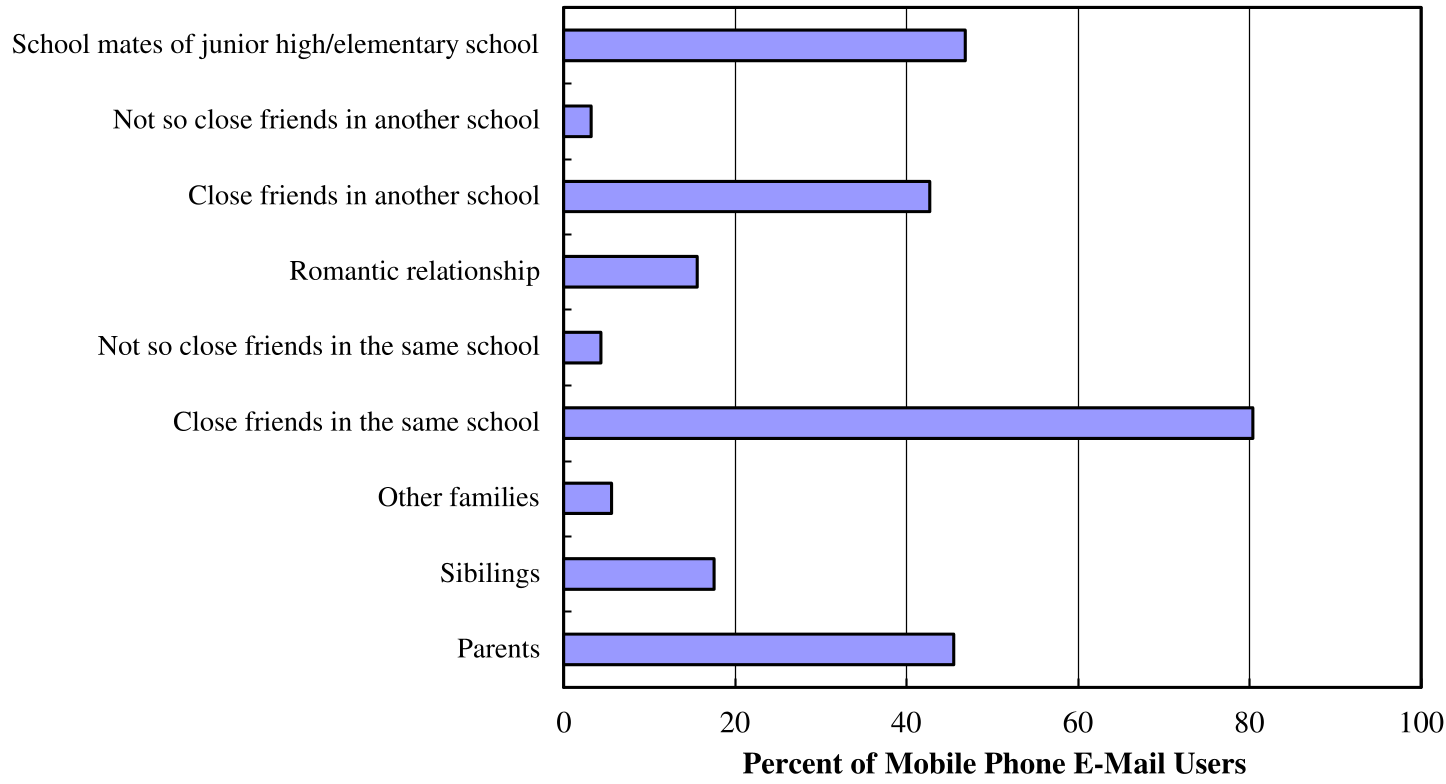 Fig 1: Perceived changes in social ties. Note the high agreement on "Keeping relationships with newly met people" (Bridging).
The Core Insight: Bridging Wins
The most striking finding emerged from the multivariate regression. When looked at in isolation, both bonding and bridging seemed to increase e-mail frequency. However, when the authors put them in the same model (Model 4), a "winner-takes-all" scenario occurred.
- The Bonding Effect Vanished: The association between bonding and intensity dropped to statistically insignificant levels.
- The Bridging Effect Remained Dominant: Even after controlling for everything else, "Bridging" remained a powerful predictor of how many messages a teen sends (B = 0.40, p < .01).
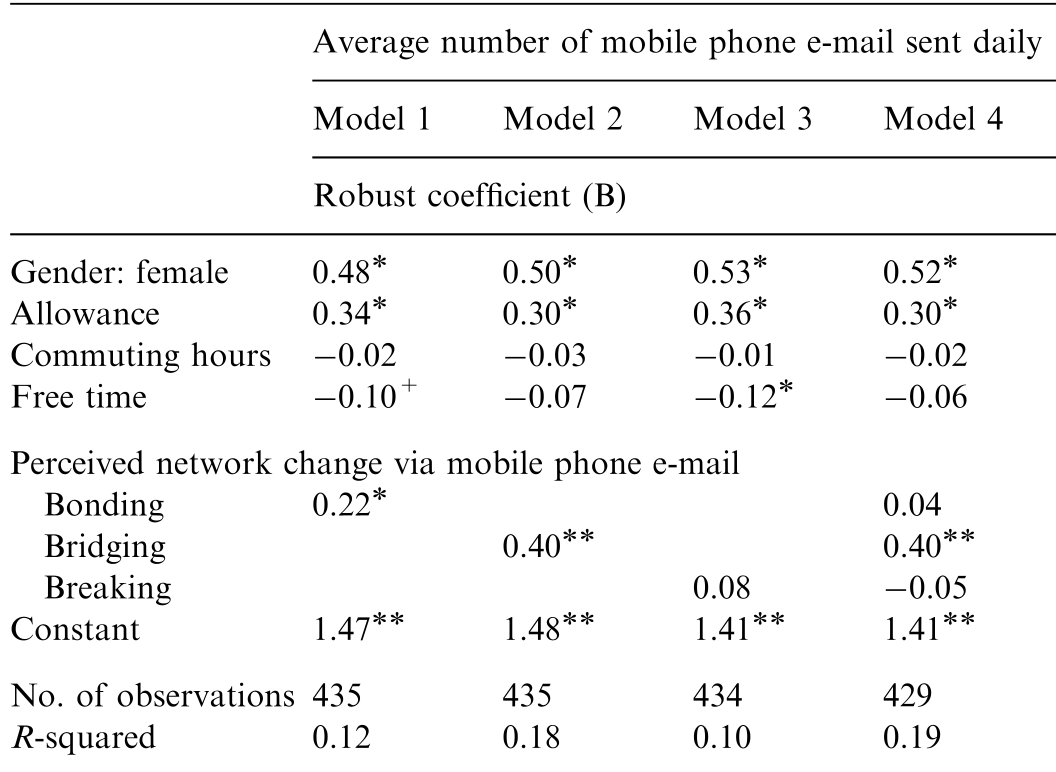 Table 1: Competitive regression showing Bridging as the sole significant social predictor in the full model.
What about "Breaking Up"?
Interestingly, the study found no evidence that mobile phones are used to "break" with social ties. Unlike the fear that technology leads to the neglect of weak ties (creating "echo chambers"), Japanese teens reported that their mobile use didn't cause them to drop old acquaintances. The phone expanded the network without necessarily pruning it.
Expert Analysis: The "Transition Mediator"
The paper offers two possible interpretations for why bridging is so dominant:
- The Spurious Relationship: Bridging creates new ties, which then become the ties you bond with. Since the survey happened 6 months after starting high school, the "bridging" phase was at its peak.
- The Prerequisite Hypothesis: Bonding is the baseline, but the extra effort—the "heavy lifting" that leads to sending 50+ messages a day—is almost always about exploring new social territory.
Conclusion and Future Outlook
This research reframes the mobile phone from a device of "social maintenance" to one of "social expansion." It suggests that for adolescents, the "Keitai" is a tool for navigating the precarious waters of a new social environment.
Limitations: The study relied on subjective perceptions of network change and were specific to a time when PC access was low among Japanese youth. In today's era of Instagram and TikTok, the line between bridging and bonding is even blurrier, but the core psychological driver remains: the human need to reach out and connect with the "new."