
Socio-Technological Agents: Redefining Knowledge Sharing in Virtual Enterprises
Knowledge sharing in dynamic virtual enterprises: A socio-technological perspective
This paper proposes a socio-technological framework for knowledge sharing in dynamic virtual enterprises (VEs). It introduces a human-centered architecture utilizing a Three-Dimensional Knowledge Resource Space (Owner, Category, Location) and an agent-based society to manage both explicit and implicit knowledge across organizational boundaries.
TL;DR
In the fast-paced world of Virtual Enterprises (VEs), static knowledge repositories are where information goes to die. This paper presents a socio-technological architecture that replaces rigid databases with an Agent Society. By modeling knowledge in a 3D semantic space and using agents to mimic human social networking, the framework allows dynamic alliances to share both explicit documents and "hidden" human expertise with unprecedented agility.
Underlying Motivation: Why Traditional KM Fails VEs
A Virtual Enterprise is a temporary alliance of partners coming together to seize a market opportunity. Because they are temporary and decentralized, traditional Knowledge Management (KM) faces three "walls":
- The Heterogeneity Wall: Every partner uses different data formats.
- The Tacit Wall: The most valuable info (experience) stays in humans' heads.
- The Dynamics Wall: Partners join and leave so fast that a central infrastructure can't be maintained.
The authors' insight is simple: Think of a VE like a social network, not a database.
Methodology: The Three Layers of Intelligence
The proposed architecture moves away from a "process-centered" view to a "human-centered" view across three distinct layers:
1. The Knowledge Resource Space (KRS)
The authors define a 3D coordinate system to map any piece of knowledge ():
- Owner: Who has it?
- Category: Where does it fit in the industry ontology?
- Location: How do I get it (URI or contact info)?
2. The Semantic Link Network
Instead of simple keywords, the system uses 8 types of semantic links (Subclass, Instance, Part-of, etc.) to allow agents to "walk" through related concepts.
3. The Agent Society
Each physical node is wrapped in a software agent. These agents don't just search; they evaluate. They measure:
- Agent Contribution Degree (ACD): How helpful has Agent X been to me in the past?
- Preference Similarity: Does Agent Y care about the same topics I do?
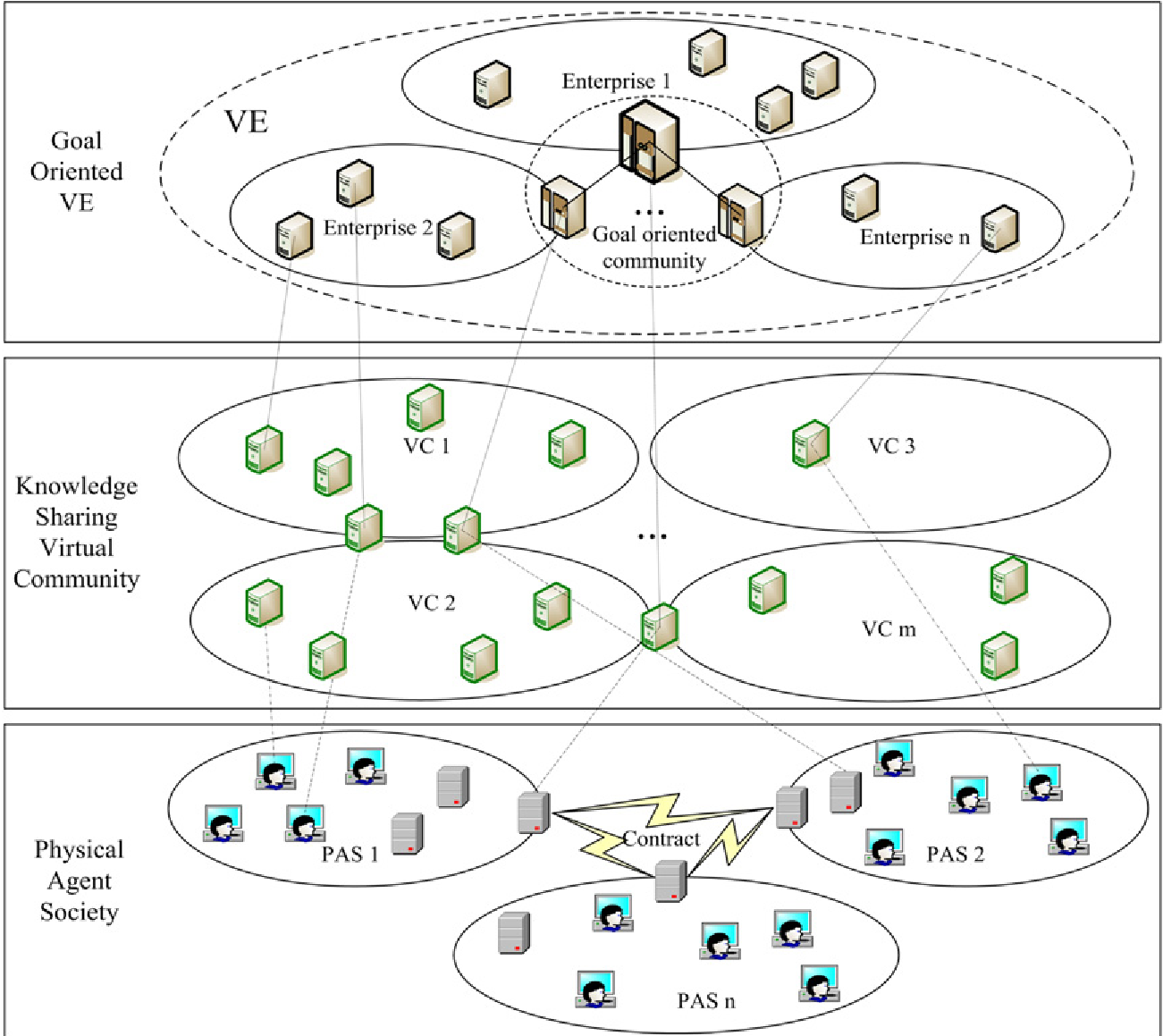 Figure 1: The Internal Architecture of a Knowledge Sharing Agent.
The Core Algorithm: Calculating Social Ties
The "secret sauce" of this paper is the mathematical formalization of Agent-to-Agent ties. The interest of an agent in a topic is calculated via semantic similarity in the ontology:
When an agent needs knowledge and can't find it locally, it doesn't broadcast to everyone (which causes network congestion). Instead, it calculates which neighbor has the highest "topic-specific contribution degree" () and forwards the query there. This mimics a professional asking a trusted colleague for a referral.
Experimental Case Study: Cement Plant Construction
The researchers applied this to CNBMEEC, a Chinese construction firm managing overseas projects.
- Scenario: A subcontractor needed specific "Hammer Crusher" installation details.
- Execution: The local agent queried its "Community." Through a chain of referrals (Subcontractor Main Contractor Supplier), the system located a document owned by a supplier that the subcontractor didn't even know was in the VE.
- Outcome: The system externalized implicit contact info for human experts, turning "knowing what" into "knowing who."
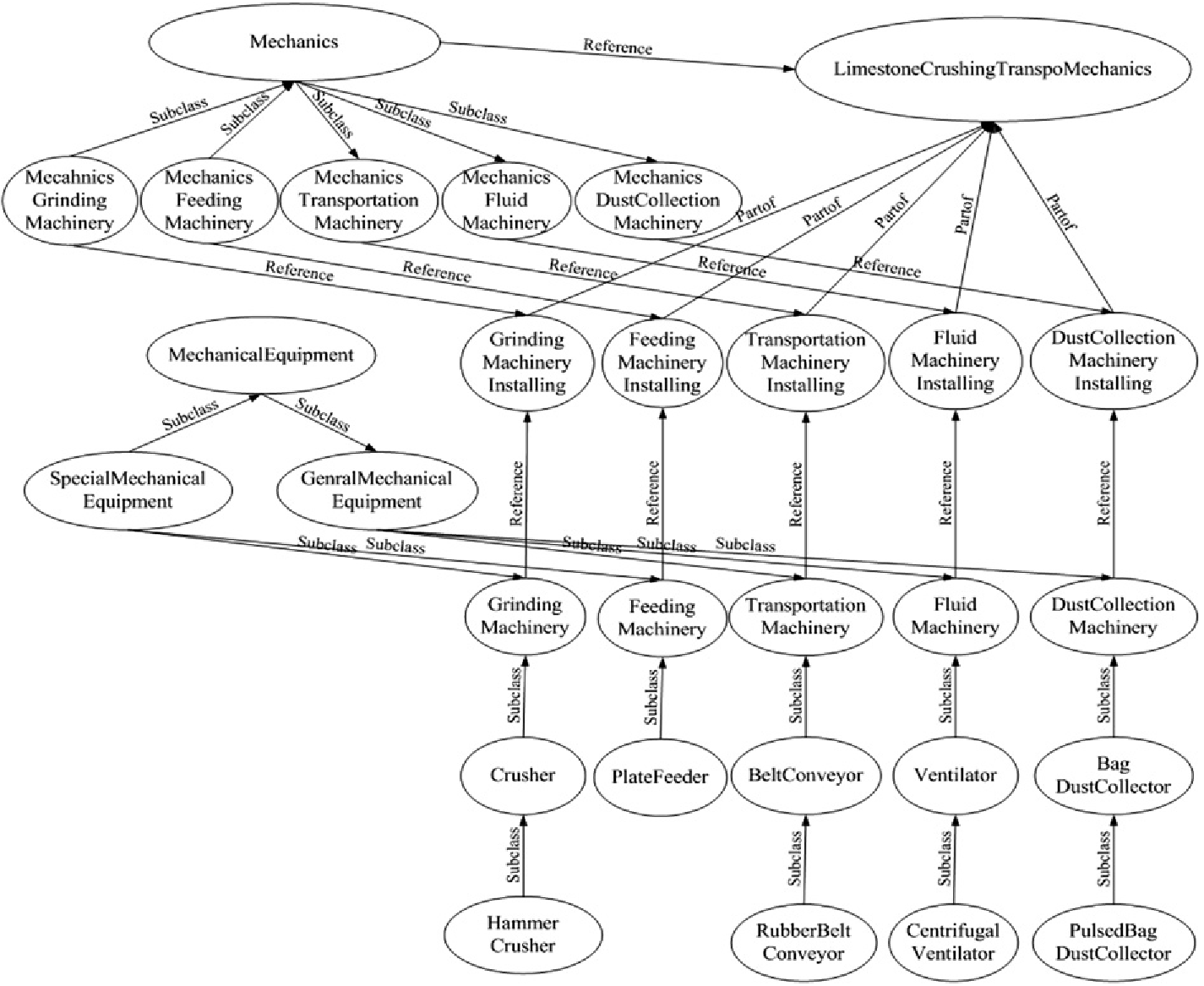 Figure 2: Semantic link visualization for a specific industrial subtask.
Critical Analysis & Future Outlook
Takeaway
This work successfully shifts the KM paradigm from "capturing" knowledge to "routing" knowledge. By establishing an "accumulation effect," the virtual communities persist even after a specific VE project is dissolved, creating a long-term competitive advantage.
Limitations
As noted in the case study, pure topic-based searching can lead to "information overload" if a category has too many instances. Future iterations would require attribute-based filtering (e.g., searching not just for "Crushers" but "Crushers with t/h capacity").
The Future
In the era of Generative AI, this framework provides a perfect skeleton for LLM-based Multi-Agent Systems. Imagine these agents not just passing XML templates, but using LLMs to summarize implicit knowledge and negotiate access rights in real-time.