
Lawful Users: Why the DMCA is an HCI Infrastructure Problem
Lawful Users: Copyright Circumvention and Legal Constraints on Technology Use
This paper, "Lawful Users: Copyright Circumvention and Legal Constraints on Technology Use," explores the intersection of HCI and legal policy through an analysis of the DMCA Section 1201 exemption process. Author Casey Fiesler examines 1,100 public comments to understand how anti-circumvention laws (DRM) hinder "lawful users," ultimately proposing a multi-layered framework for HCI practitioners to address these "policy problems."
TL;DR
In the world of Human-Computer Interaction (HCI), we often focus on pixels and mental models, but Casey Fiesler's CHI '20 paper reminds us that policy is a user experience constraint. By analyzing 1,100 DMCA exemption comments, this research highlights a massive gap between what users think "ownership" means and what Digital Rights Management (DRM) actually allows. The paper argues that HCI practitioners must stop viewing law as an unmovable obstacle and start treating it as a design flaw that needs a "Deep" fix.
The Motivation: When "Can I?" Is Answered by Lawyers, Not Designers
In design, we usually ask if a user can technically perform a task. But under Section 1201 of the Digital Millennium Copyright Act (DMCA), certain technical acts—like jailbreaking a phone or ripping a DVD you own—are criminalized, even if you have no intent to pirate content.
As Fiesler points out, this creates a Policy Problem. While we spend years perfecting user interfaces, underlying legalese can "cripple" functionality, rendering devices useless (like "abandoned" games that require dead servers) or inaccessible (blocking screen readers for the blind).
Methodology: User Advocacy as Data
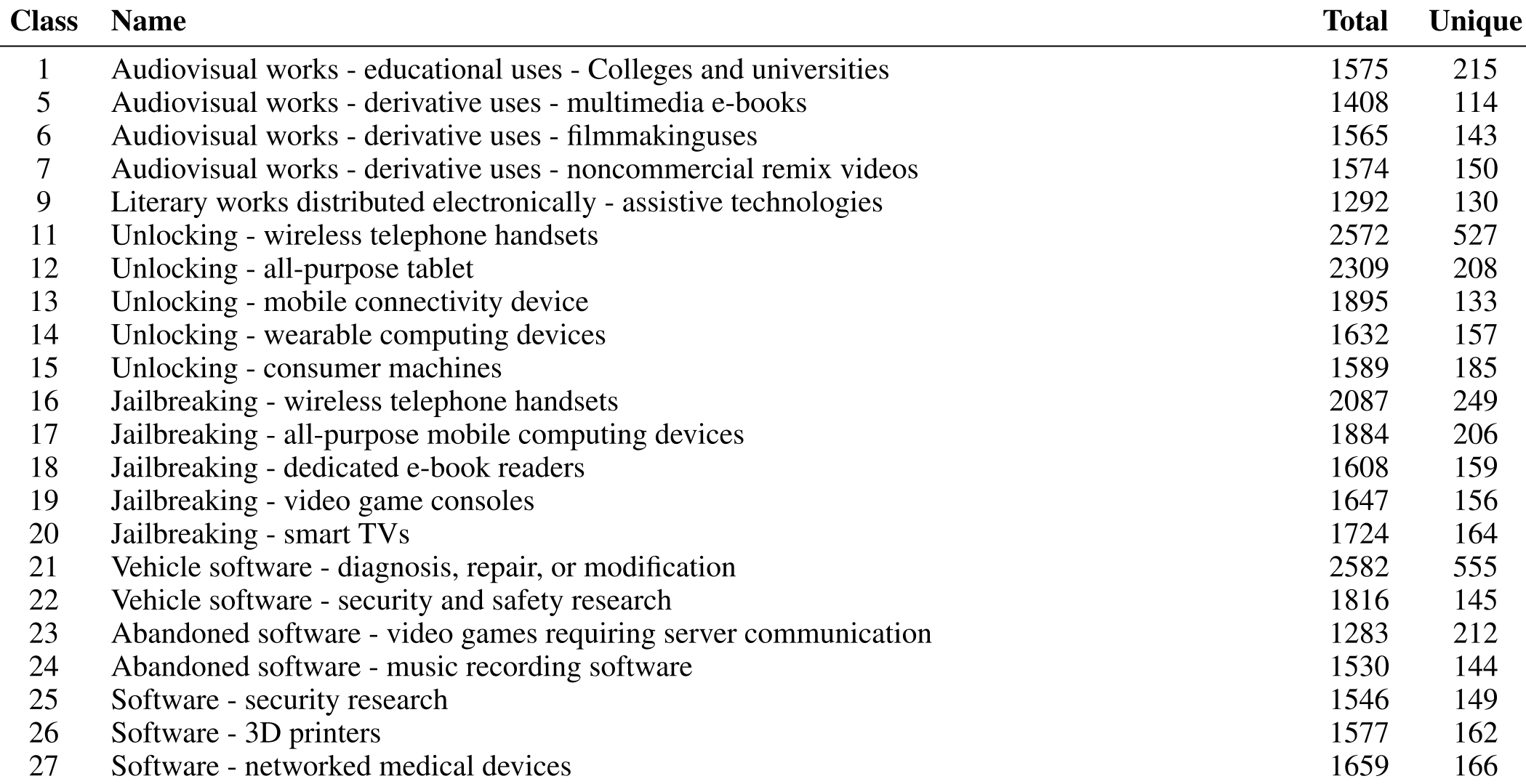
The researcher leveraged a unique dataset: 40,000 public comments from the 2015 DMCA rulemaking cycle. By filtering for 1,100 unique, non-form-letter responses across 22 "exemption classes," the study captured the raw frustration of everyday users.
Core Insights: The Clash of Mental Models
The findings reveal a fundamental misalignment between user expectations and legal reality:
- Metaphor as Reality: Users view digital property through the lens of physical property. One commenter noted: "It would be no different than Nike suing you because you cut the sleeves off a shirt you own."
- Ownership vs. Licensing: Users believe that paying money grants them the "Freedom to Tinker." The law, however, suggests they are often just "licensees" with limited rights.
- The Functionality Trap: DRM is often viewed as "bad faith" design by corporations. Users cited "bloatware" that cannot be deleted and "abandoned software" that turns expensive hardware into paperweights once a company stops supporting a server.
Applying the "Infrastructure" Framework
Fiesler draws a brilliant parallel between Policy and Infrastructure. Just as a designer might be limited by a rigid software library, they are limited by the DMCA. The paper categorizes solutions for the HCI community:
- Surface Solutions: Hiding the problem (e.g., removing a "Download" button).
- Interface Solutions: Using "Seamful Design" to explain why something is restricted, helping align user mental models with the system's legal constraints.
- Intermediate Solutions: Creating frameworks or choosing technologies (like open-source) that bypass the need for DRM entirely.
- Deep Solutions: Directly advocating for policy change—engaging with the U.S. Copyright Office to ensure that "design for usability" becomes "design for law."

Critical Analysis: Beyond the Band-Aid
Fiesler’s conclusion is a call to arms: "Interface solutions" are just band-aids. If a user is frustrated that they cannot repair their own vehicle due to software locks, a better UI won't help.
The paper's real value lies in its challenge to the HCI community to participate in "Deep" solutions. We are the stakeholders best equipped to explain to policymakers how technology regulation impacts the human experience. If we don't speak up, the infrastructure of the law will continue to stifle the very innovations we seek to build.
Summary Takeaway
Digital "ownership" is currently a legal fiction. Until designers treat policy as an active part of the design process—rather than a passive constraint—the socio-technical gap will continue to widen, leaving users with "crippled" tools and broken expectations.