
Transforming Malaysian Higher Education: A Strategic Framework for Learning Analytics
Analysis of Learning Analytics in Higher Educational Institutions: A Review
This paper provides a comprehensive review and a proposed conceptual framework for implementing Learning Analytics (LA) in Malaysian Higher Educational Institutions (HEIs). It synthesizes Educational Data Mining (EDM), Academic Analytics, and LA to drive student retention, academic attainment, and employability through data-driven pedagogical interventions.
TL;DR
This paper serves as a vital blueprint for integrating Learning Analytics (LA) and Educational Data Mining (EDM) within Malaysian Higher Educational Institutions (HEIs). By synthesizing data from virtual and physical learning environments, the authors propose a model to combat student dropout rates and enhance post-graduation employability through predictive interventions.
Background & Motivation
As Malaysia aspires to be a global education hub, it faces local hurdles: rising student absenteeism and a gap in workforce readiness. While "Big Data" is a buzzword, the authors argue that Malaysian HEIs have historically lacked a structured methodology to turn this data into pedagogical value. The core intuition is that student success is not random; it is a measurable outcome of motivation, social integration, and financial stability.
Methodology: The Three Pillars of Analytics
The paper distinguishes between three often-confused terms to clarify the research landscape:
- Educational Data Mining (EDM): The "engine room" that uses computational methods to find patterns in large educational datasets.
- Learning Analytics (LA): The "bridge" that uses those patterns to empower teachers and students with visual feedback and reflection.
- Academic Analytics: The "macro-view" used by administrators for institutional goal-setting and resource allocation.
The Proposed Framework
The authors introduce a conceptual model where data flows from three sources (Individual, Social, and Physical) into an Online Learning Environment, which then feeds the LA framework.
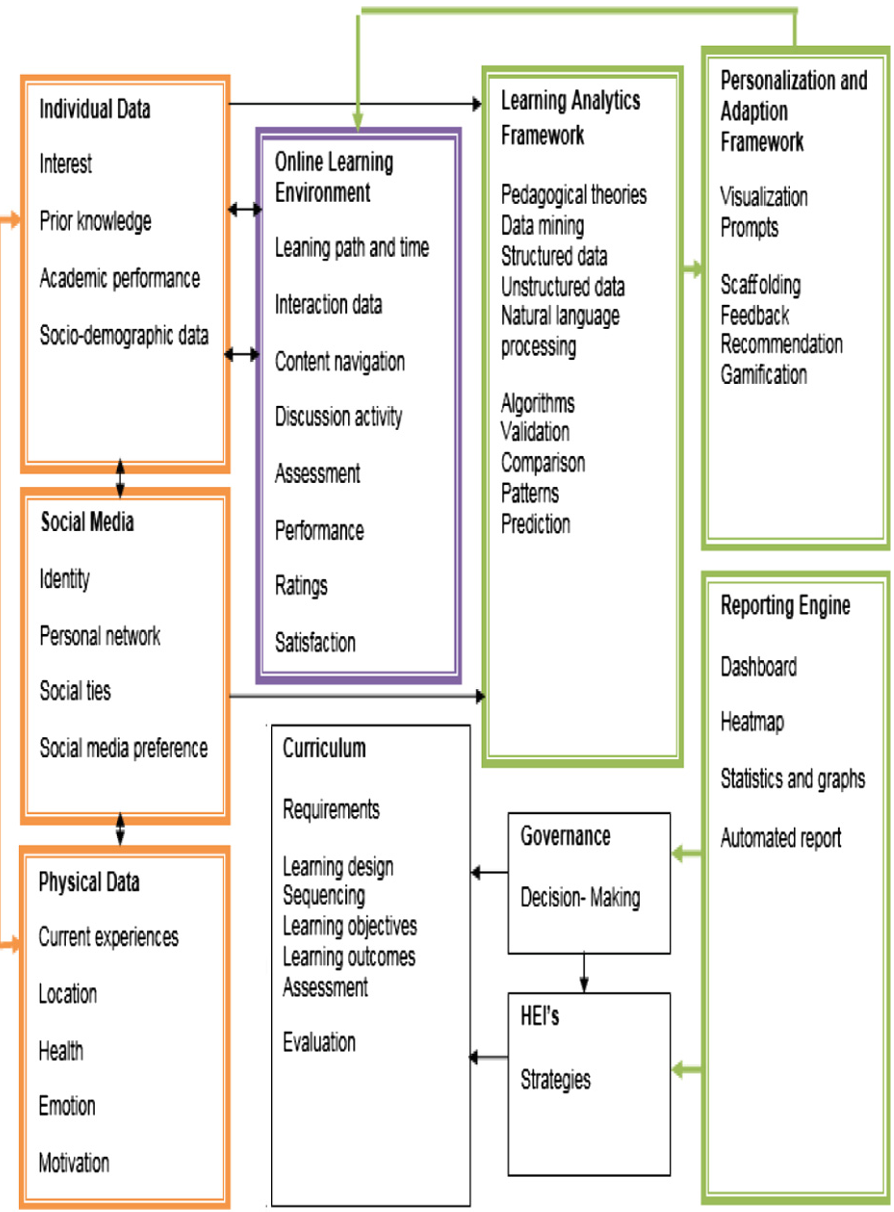 Figure 1: The proposed model illustrating the relationship between independent factors (Motivation, Social Integration) and primary outcomes (Retention, Attainment, Employability).
Deep Dive: The Four Perspectives of LA
According to the study, a successful LA implementation must satisfy four stakeholders:
- Governance: Provides the policy and quality assurance benchmarks.
- HEIs: Optimize resource allocation and monitor institutional standards.
- Facilitators: Use data to identify "at-risk" students and provide immediate, meaningful interventions.
- Learners: Track their own progress, enabling self-regulated learning and better habit formation.
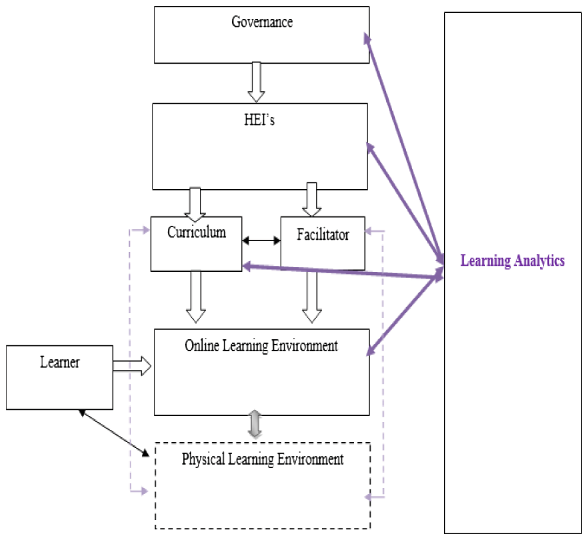 Figure 2: The interconnected cycle of governance, institutions, facilitators, and learners in the analytics process.
Critical Insights & Results
The review specifically identifies that Social Integration (interaction with peers and faculty) and Financial Factors are the strongest predictors of student retention in the Malaysian context.
- Predictive Advantage: By using EDM techniques, instructors can detect slow learners before they fail mid-term assessments.
- Personalization: The report highlights that LA allows for the design of customized learning paths, effectively "accelerating" high-performers while supporting those struggling.
Conclusion & Future Outlook
The paper concludes that LA is an effective strategy for intelligent instructing. However, the authors admit to limitations:
- Privacy Concerns: The integration of "Physical Data" and "Social Media" data remains a sensitive ethical area.
- Implementation Barriers: Many Malaysian HEIs still rely on primary data and lack the automated "reporting engines" required for real-time dashboards.
Takeaway for Practitioners: The shift from retrospective reporting to predictive analytics is the only way to meet the educational demands of 2026. Institutions should stop asking "what happened?" and start using LA to ask "what will happen next?"