
Lesson Learnt: Optimization of EEG Protocols for Children with ADHD
Lesson Learnt from an EEG-Based Experiment with ADHD Children in Malaysia
This paper presents an exploratory study on EEG-based experiment protocols for children with ADHD in Malaysia. Using a 14-channel wireless EEG headset, the researchers evaluated the feasibility of a multi-stage protocol—including baseline recording, emotional stimuli, and neurofeedback (NF) games—to identify factors affecting clinical participation and data quality.
TL;DR
Electroencephalography (EEG) and Neurofeedback (NF) offer promising non-invasive avenues for ADHD diagnosis and treatment. However, the move from clinical theory to practical application involves a massive hurdle: the child’s cooperation. This study analyzes the pedagogical and technical "lessons learnt" from an experiment in Malaysia, revealing that total session duration should not exceed 15 minutes and that the human-researcher bond is a critical variable in data reliability.
Background & Motivation: Beyond the Clinic
In Malaysia, the prevalence of ADHD among children aged 5–15 is approximately 4.6%, yet diagnosis often faces a bottleneck due to a shortage of specialists and validated screening tools. While the US FDA approved the NEBA system in 2013, making EEG a legitimate diagnostic aid, the process of capturing this data in young children remains fraught with difficulty.
The researchers identified a critical gap: we have the hardware (wireless EEG) and the theory (Theta/Beta ratios), but we lack localized, HCI-driven (Human-Computer Interaction) protocols that respect the behavioral constraints of children with special needs.
Methodology: The 5-Phase Protocol
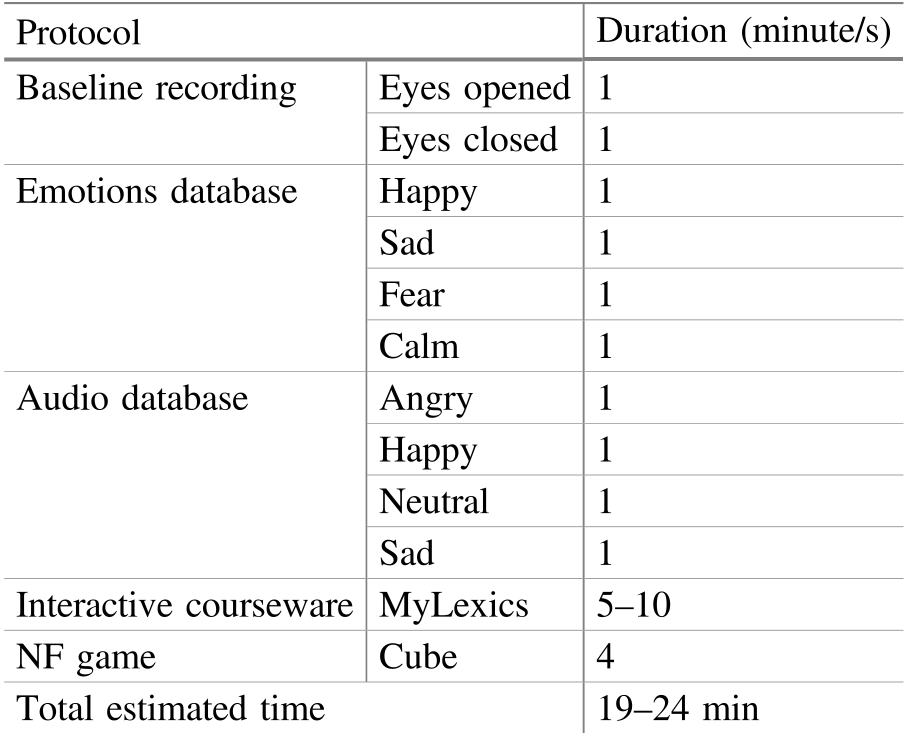
The study utilized a 14-channel wireless EEG headset to monitor seven children (4 with ADHD symptoms/dyslexia, 3 in a control group). The experiment was structured into five distinct phases designed to capture diverse neural states:
- Baseline: Eyes open/closed (Standardizing the "resting state").
- Visual Emotion: Facial expressions to trigger affective shifts.
- Audio Emotion: Sounds (angry, happy, etc.) to test auditory-neural response.
- Interactive Courseware (MyLexics): A Malay-language literacy tool to measure engagement during learning.
- Neurofeedback Game: A simple "cube" game requiring focused concentration to manipulate objects.
Key Findings: The "Comfort vs. Data" Trade-off
The experiment yielded several hard-won insights regarding the practical application of EEG in a school or lab setting:
1. The 15-Minute Rule
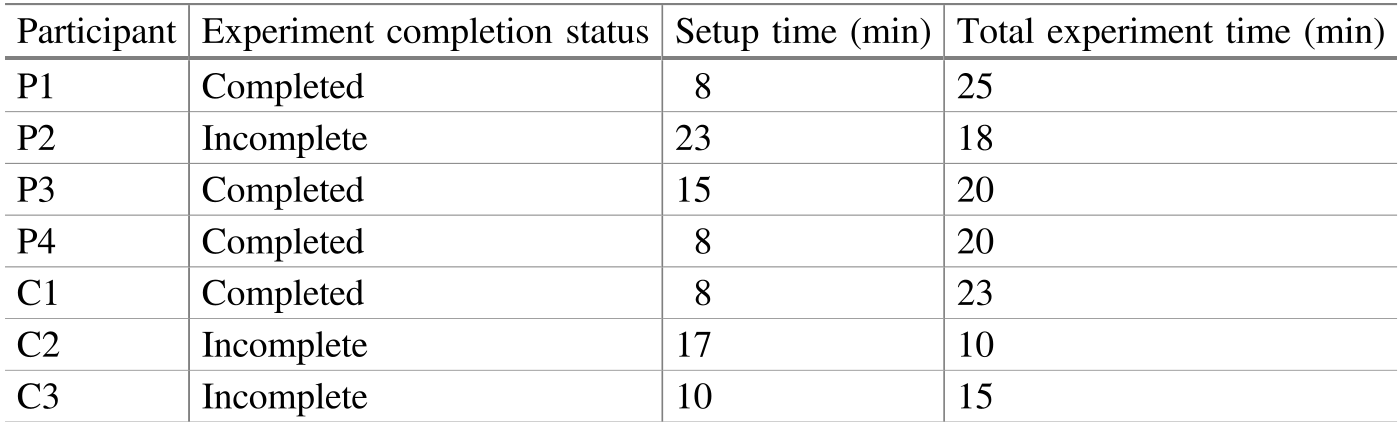
While the protocol was designed for 20-25 minutes, many children struggled to remain focused. One child withdrew during the audio phase after a grueling 23-minute setup. The researchers concluded that total experiment time should be capped at 15 minutes (excluding setup) to ensure data integrity and participant well-being.
2. Hardware Limitations
Wireless EEG is portable, but fragile. In young children, even slight movements caused electrode dislocation. Furthermore, the distance between the Bluetooth dongle and the headset significantly impacted signal stability, emphasizing the need for a tightly controlled physical layout.
3. The Engagement Gap
Children gravitated toward interactive courseware and NF games while finding the audio protocol anxiety-inducing or boring. This suggests that future ADHD diagnostics should disguise clinical tests within interactive multimedia to maintain the "flow state" required for clean EEG readings.
Critical Analysis & Conclusion
This paper serves as a grounded reality check for the "Brain-Computer Interface" (BCI) community. While we often obsess over signal processing algorithms, the human element remains the weakest link.
Takeaways for Researchers:
- Staffing: At least three researchers are needed—one for technical EEG monitoring, one for child facilitation, and one for waiting-area management.
- Familiarity: Children were significantly calmer when a familiar teacher or parent was present, highlighting that "social comfort" is a prerequisite for "neural stability."
- Environmental Control: Noise-free, dedicated rooms are non-negotiable; the control group’s performance suffered specifically due to lab distractions.
Future Outlook: The next generation of ADHD diagnostic tools must focus on "Zero-Setup" hardware and "Invisible Testing"—where the diagnostic data is harvested during naturalistic play rather than rigid, daunting clinical protocols.