
Designing for Resilience: Lessons from 200+ Home Deployments of Independent Living Tech
Lessons learned in deploying independent living technologies to older adults’ homes
This paper presents comprehensive lessons and recommendations for deploying independent living technologies into the homes of older adults based on a study involving over 200 households. Using a participant-led ethnographic approach and the Technology Research for Independent Living (TRIL) framework, it outlines a full lifecycle strategy—from initial design to final exit—for successful aging-in-place interventions.
TL;DR
As the global population ages, "aging-in-place" technology is no longer a luxury but a necessity. This influential paper distills years of field experience from the TRIL (Technology Research for Independent Living) Center into a robust framework for deploying tech to older adults. It moves beyond "button size" to address the deep-seated psychological and social factors that govern whether a device is embraced or hidden in a drawer.
The "Laboratory-to-Living-Room" Gap
Most academic research stays in the lab. When it does venture into the home, it often fails because it treats the home as a static environment. The authors argue that a home is an ecosystem—complete with pets, family members, and decades of emotional history. Prior works often failed because they ignored the "stigma of the needy": if a device looks like a medical instrument, many older adults will reject it to maintain their identity of independence.
Methodology: The Multidisciplinary Lifecycle
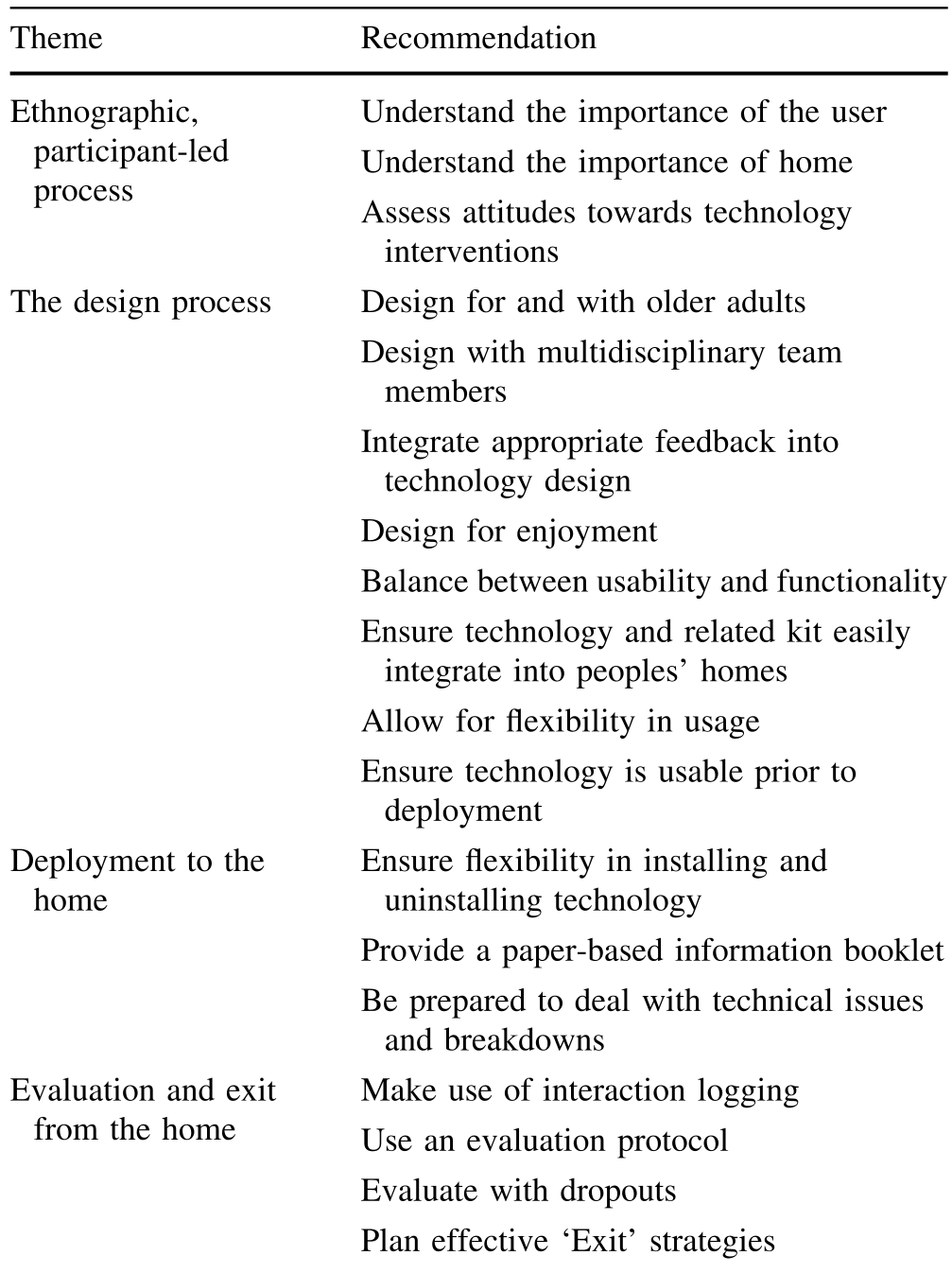
The authors present a lifecycle categorized into four phases: Ethnography, Design, Deployment, and Evaluation. Two core case studies serve as the "ground truth":
- Alertness Training: A biofeedback kit designed as an un-intimidating "cushion."
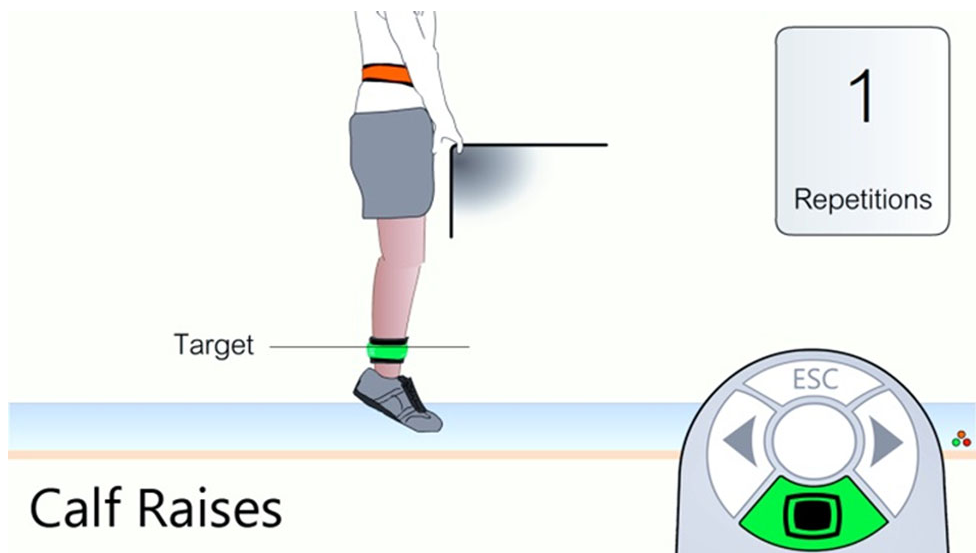
- BASE (Balance and Strength Exercises): A complex system using laptop, webcam, and SHIMMER sensors to prevent falls.
Breaking the "Video Mirror" Myth
One of the most striking methodological insights came from the BASE project. Engineers hypothesized that users would want to see a live video feed of themselves to correct their posture. The reality? Users hated it. They felt "foolish" seeing themselves on screen. Instead, they preferred a "matchstick man" avatar—proving that abstraction can sometimes improve usability and reduce self-consciousness in health tech.
Critical Design Heuristics
Based on their deployments, the authors outline several "gold standards" for Gerontechnology:
- The "Kitchen Sink" Realism: Don't expect users to clear space for a clinical balance bar. Designs must be flexible enough to work near a kitchen sink—the natural support for many seniors.
- Non-Stigmatizing Naming: Changing "Engineering Alertness" to "Training for Focused Living" shifted the user's role from a passive subject to a proactive participant.
- Multimodal Feedback: Older adults with sensory loss benefit from "dual-coding"—using both audio prompts ("Press GO to move on") and visual cues (flashing remote control icons).
Deployment: The Human Element
Technology in the home is more than just hardware; it is a guest. The paper emphasizes:
- Paper Booklets: Surprisingly, physical manuals are "safety blankets." They provide transparency (e.g., "This sensor sees numbers, not your video") that allays privacy fears.
- The Exit Strategy: De-installation is as important as installation. Providing "research memorabilia"—like house maps or usage summaries—helps provide closure and respects the social relationship formed during the study.
Technical and Empirical Triumphs
The study highlights that interaction logging is the only way to capture the truth. While users might say they like a system in an interview (the "social desirability bias"), the logs reveal whether they actually used it or struggled with specific menu items. By stripping back "unused laptop features," the authors saw a significant decrease in tech-anxiety and an increase in focus on the healthcare goal itself.
Critical Insight & Future Outlook
This work is a masterclass in ecological validity. It highlights that the "learning curve" for older adults isn't just about cognitive decline; it's about a cost-benefit analysis. If the effort to learn the tech exceeds the perceived gain, abandonment is inevitable.
The Limitation? As research prototypes, these systems required significant manual support (helplines, technician visits). The next frontier for independent living tech is self-healing systems that can handle local Wi-Fi drops or battery issues without human intervention.
Conclusion: For the tech industry, the message is clear: Stop building "assistive tech" and start building "life-enhancing tech." Respect the user’s environment, kill the jargon, and remember that a successful deployment ends not with a "fixed" patient, but with an empowered person.