
Mining the Ties That Bind: How Lifestyle Synergy Influences Prostate Cancer Risk
Analyse Lifestyle Related Prostate Cancer Risk Factors Retrieved from Literacy
This paper presents a data mining framework using the Apriori algorithm to identify and analyze lifestyle-related risk factors for prostate cancer from medical literature. By categorizing factors into preventive, permissive, and core risks, the study establishes a predictive logic for how combined lifestyle choices influence disease probability.
TL;DR
Prostate cancer risk is not just about genetics; it is a complex interplay of lifestyle factors found across thousands of research papers. This study uses the Apriori algorithm to extract these "hidden" risk factors from literature and models how their combinations—such as diet and environment—collectively impact disease occurrence. The goal is to move from hospital-centric data to a patient-centric, ICT-driven prevention model.
Background & Motivation: Beyond the Biological Bias
Most clinical prediction models are anchored in medical history and biological indicators (biomarkers). However, a significant gap exists regarding lifestyle factors—activities, behaviors, and choices that are often documented in research papers but rarely integrated into Electronic Health Records (EHR) in a structured way.
The authors argue that a single factor rarely acts in a vacuum. For instance, how does the combination of a specific diet and environmental exposure alter risk compared to either factor alone? By treating medical literature as a database, the researchers aim to "mine" these relationships to provide a clearer picture for both clinicians and patients.
Methodology: Association Rule Mining in Medicine
The core of this research is Association Rule Mining, a technique typically used in "market basket analysis" (e.g., if a customer buys cigarettes, they are likely to buy gum).
1. Factor Categorization
The study categorizes risks into three tiers:
- Preventive: Factors that decrease likelihood (e.g., Soy, Vitamin D).
- Permissive: Factors that allow or aid occurrence (e.g., Obesity, Calcium).
- Core: Non-modifiable factors with the highest weights (e.g., Age, Race, Family History).
2. The Apriori Algorithm
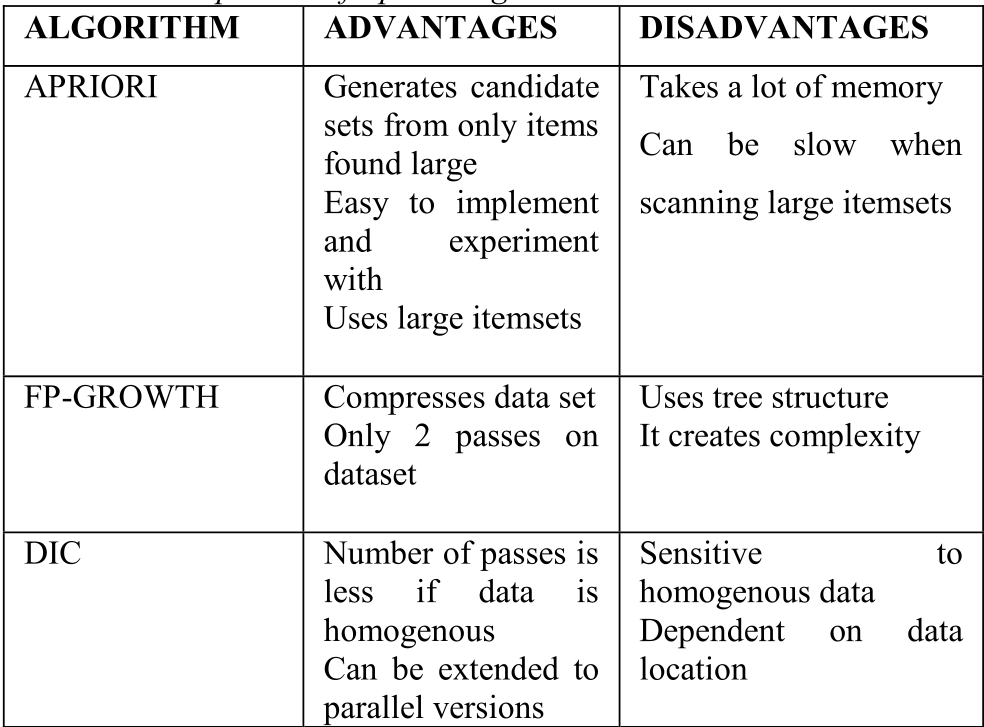
To avoid "overfitting" and filter out noise, the authors used the Apriori Algorithm to select factors based on their Support and Confidence levels within the literature. If a factor is frequently cited and linked to outcomes across various studies, it is promoted to the predictive model.
Mathematical Intuition: Capturing the Cumulative Effect
To represent how combinations of factors () affect the disease, the authors utilized a linear model applied to the squared natural logarithms of the probabilities:
This transformation helps emphasize deviations in probability, making it easier to visualize how risk escalates as permissive factors are added.
Experimental Insights & Results
The mining process revealed specific weights for lifestyle variables. For example, Soy showed a high preventive potential (48%), while Obesity (30%) and Calcium (39%) were significant permissive factors.
The resulting regression models show a clear upward trend in risk/prevention as factor combinations increase. This proves that an individual's lifestyle "profile"—the set of combined behaviors—is a much stronger predictor than any single habit.
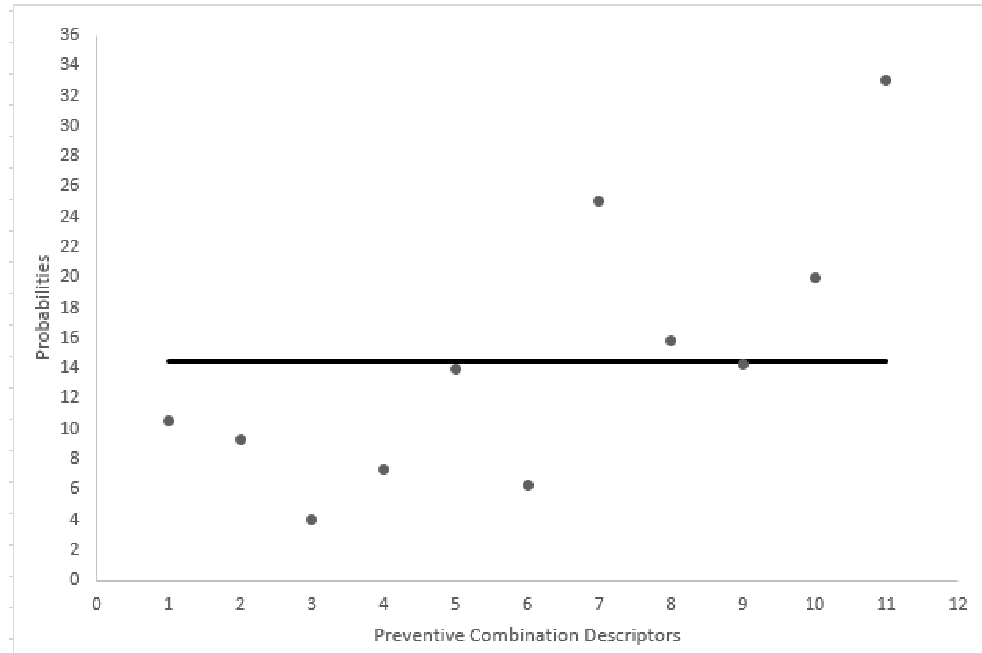 Figure 1: Visualizing the impact of combined preventive lifestyle factors.
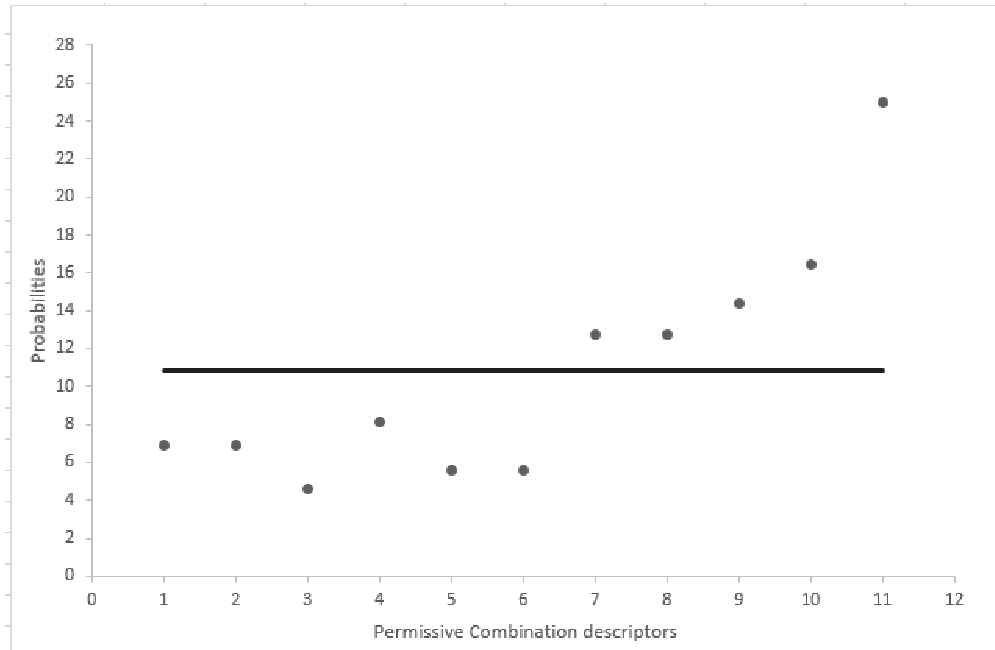 Figure 2: The escalating risk associated with cumulative permissive factors.
Critical Analysis & Future Outlook
Conclusion
This work demonstrates that ICT techniques can effectively aggregate scattered medical knowledge into a cohesive risk-assessment framework. By identifying which lifestyle factors "cluster" together, the model provides a roadmap for personalized wellness apps and earlier medical intervention.
Limitations & Future Work
The study is currently in its early stages. The authors acknowledge that:
- Univariate Constraints: The current graphical representation is somewhat limited by the univariate nature of the squared-log transformation.
- Individual Variability: Biological traits can cause different people to react differently to the same lifestyle factors.
- Future Integration: The next step is to integrate these lifestyle insights with "core" genetic and demographic data to create a truly holistic, multi-variable predictive engine.