
Virtual Lifestyles: Decoding the Social Archetypes of the Online World
17504_Lifestyles of Virtual World Residents, Living in the on-line game, Lineage.
This study investigates the socio-behavioral dynamics of MMORPG players in 'Lineage,' identifying three distinct "virtual lifestyles"—Single-Oriented, Community-Oriented, and Off-Real World—based on an online survey of 4,786 participants. The research establishes that virtual worlds function as legitimate social spaces where behavior is governed by internalized value systems rather than just game mechanics.
TL;DR
Is an online game just a game, or a parallel society? This seminal study on the world's most popular MMORPG at the time, Lineage, proves the latter. By analyzing nearly 5,000 players, researchers identified three distinct "virtual lifestyles" that dictate how people act, socialize, and even commit "crimes" in digital spaces.
Background: More Than Just Pixels
In the early 2000s, the explosion of MMORPGs like Lineage and Everquest created societies larger than some small nations. However, academia lacked a framework to understand the "residents" of these worlds. Are they all the same? This paper argues that virtual worlds are living places where real-world values transfer and mutate into new digital identities.
The Anatomy of a Virtual Resident: Methodology
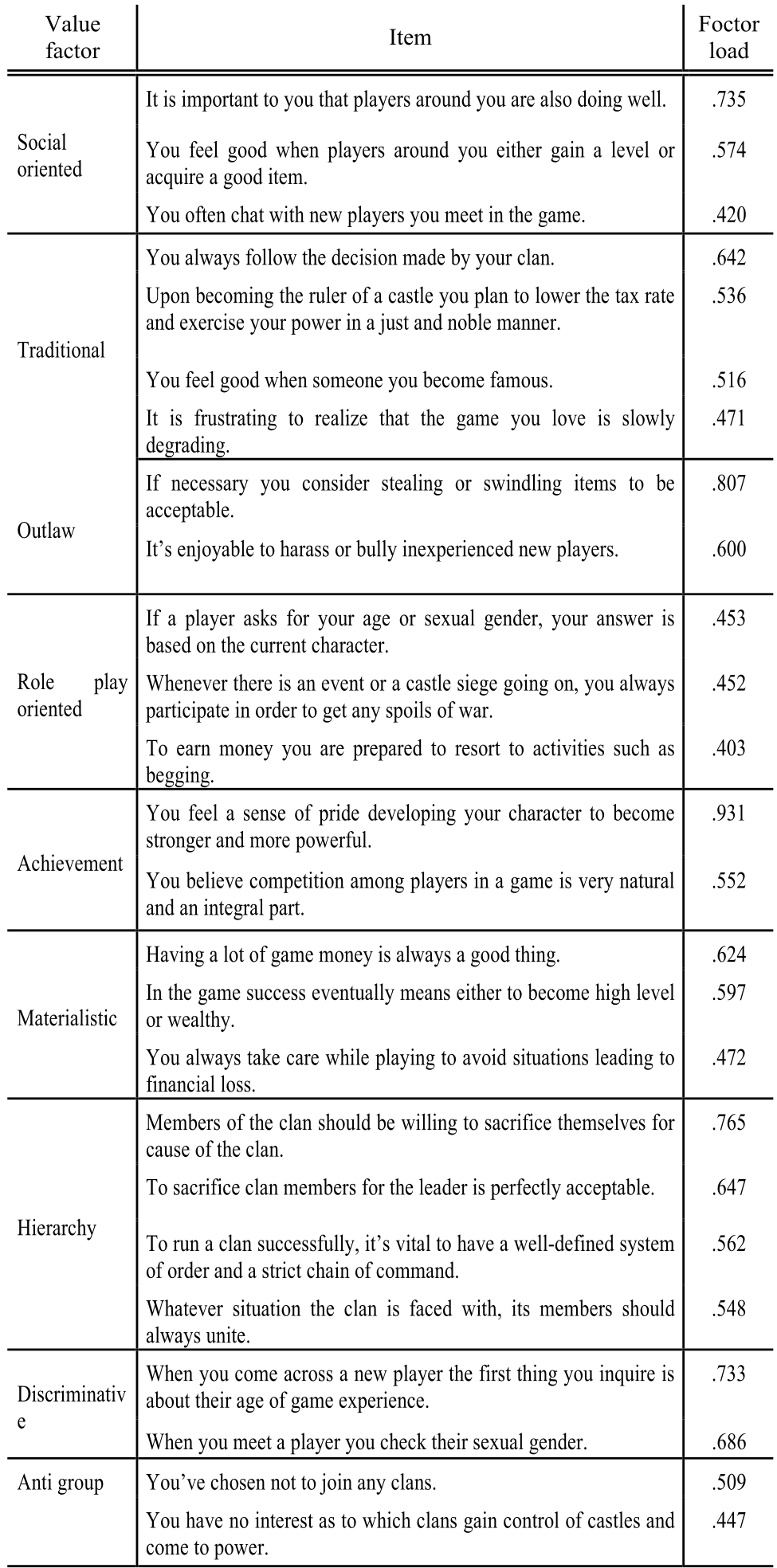
To map the psychology of Lineage, researchers translated real-world Korean value metrics into game-specific behaviors. Using factor analysis, they identified 9 pillars of virtual value, ranging from Traditionalism (loyalty to a clan) to Outlaw tendencies (embracing chaos).
The Three Resident Profiles
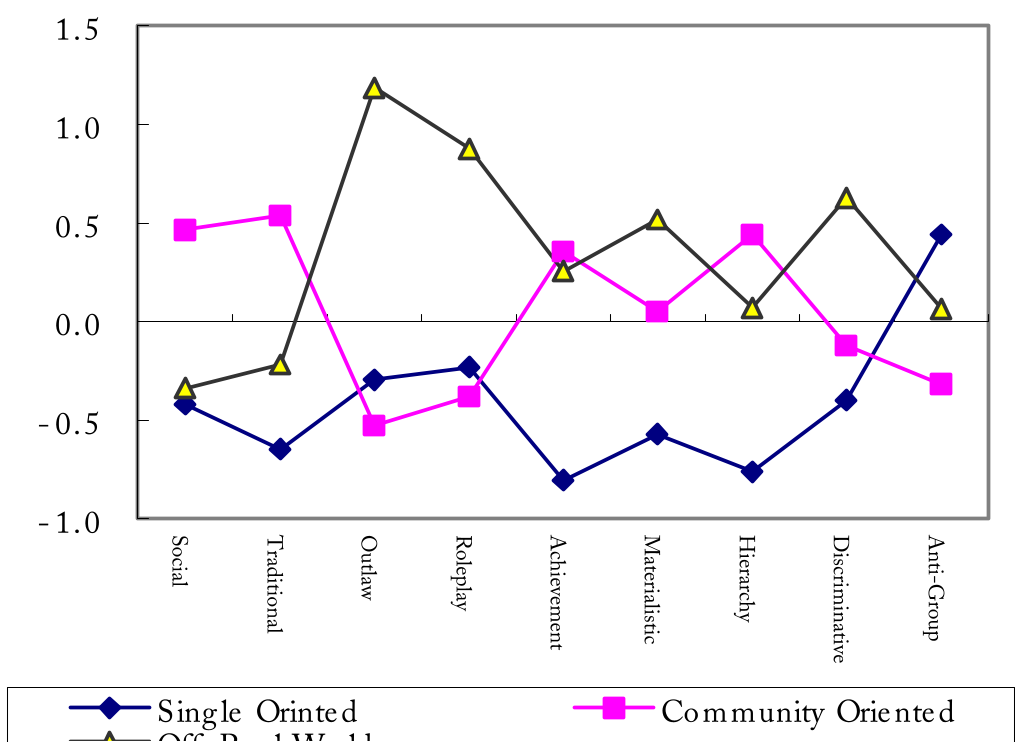
Using these factors, the researchers clustered the players into three distinct archetypes:
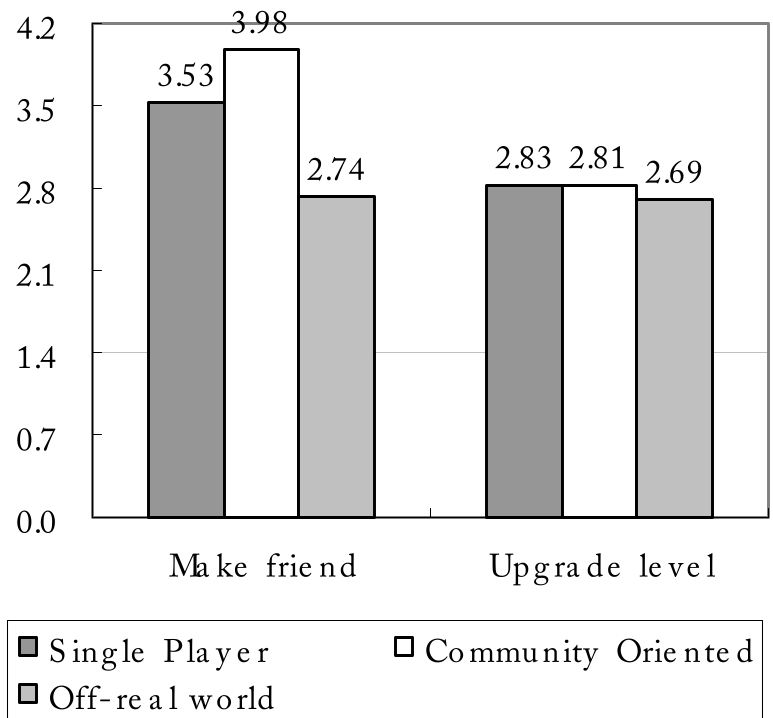
- Single-Oriented Players (28.2%): These are the "digital hermits." They apply a single-player paradigm to an MMO. They value manners and personal freedom but avoid deep social entanglements.
- Community-Oriented Players (44.8%): The "mainstream residents." They thrive on hierarchy, camaraderie, and collective success. They are the backbone of the game's economy and social structure.
- Off-Real World Players (26.9%): The "radical residents." They value in-game wealth and power above all else and are the most likely to justify harming others to get ahead.
Deep Dive: Aggression and Socio-Economic Status
The paper reveals a startling correlation between lifestyle and crime (Player Killing/PK).
- The PK Paradox: While most assume frequent "killers" are just "game addicts," research shows it is actually tied to the Off-Real World lifestyle. These players engage in significantly more "Illegal PK" (ambushes) than any other group.
- Virtual Class Struggle: The study categorized players by "Virtual SES" (wealth and level). Interestingly, the "Outlaw/Off-Real" types were disproportionately represented in the lower socio-economic bracket of the game, mirroring real-world correlations between economic struggle and crime rates.
Critical Insight: Why This Still Matters
The core takeaway is that online behavior is not random. It is an expression of a structured lifestyle. The "Off-Real World" group is particularly fascinating—they view the game as their primary life, yet they often feel insecure and inferior within it, leading to higher rates of aggression and potential addiction.
Conclusion
This work serves as a foundational blueprint for modern metaverse design. It tells us that we cannot treat a user base as a monolith. Whether designing a virtual economy or a moderation system, developers must account for the different "residents" inhabiting their world—from the polite hermit to the power-hungry outlaw.
Takeaway for the Future: As we move toward more immersive metaverses, the "virtual lifestyle" will likely become as complex and legally significant as our real-world identities.