
LightGBM vs. XGBoost: Precision Targeting in Financial Customer Loyalty
LightGBM: an Effective Decision Tree Gradient Boosting Method to Predict Customer Loyalty in the Finance Industry
This study implements and evaluates the LightGBM (Light Gradient Boosting Machine) framework for predicting individual customer loyalty scores in the financial industry. Using a large-scale credit card dataset from the Elo Kaggle competition, the authors demonstrate that LightGBM achieves superior accuracy (lower RMSE) compared to the industry-standard XGBoost.
TL;DR
Predicting individual customer loyalty is the "Holy Grail" of modern CRM in banking. This study demonstrates that LightGBM, a high-performance Gradient Boosting Decision Tree (GBDT) framework from Microsoft, outperforms the widely-used XGBoosting in predicting loyalty scores for credit card users. By optimizing the trade-off between learning rates and iterations, the researchers achieved superior Root Mean Square Error (RMSE) metrics on a massive transactional dataset.
The CRM Evolution: From Segments to Individuals
In the financial sector, maintaining customer satisfaction is directly tied to profitability. While companies have historically clustered customers into segments, the rise of AI allows for individualized loyalty scoring. The challenge, however, lies in the data: millions of transactions, merchant lags, and installment behaviors create a high-dimensional space where traditional models often overfit or become computationally prohibitive.
The authors tackle this by applying LightGBM to the "Elo Merchant Category Recommendation" challenge, seeking to determine if LightGBM's architectural innovations translate to better performance in the financial domain.
Methodology: Why LightGBM is Different
The core of the paper focuses on the structural differences between traditional GBDTs and LightGBM.
1. Leaf-wise vs. Level-wise Growth
While XGBoost typically grows trees level-wise (keeping the tree balanced), LightGBM uses a leaf-wise strategy. It identifies the leaf that offers the maximum reduction in variance (the largest gain) and splits it, regardless of the rest of the level. This leads to much lower loss, though it requires careful parameter tuning (like max_depth) to avoid overfitting.
2. Handling Large Gradients (GOSS)
LightGBM employs Gradient-based One-Side Sampling (GOSS). The intuition is that data points with larger gradients contribute more to the information gain. By keeping these "strong learners" and down-sampling instances with small gradients, LightGBM speeds up training significantly without sacrificing significant accuracy.
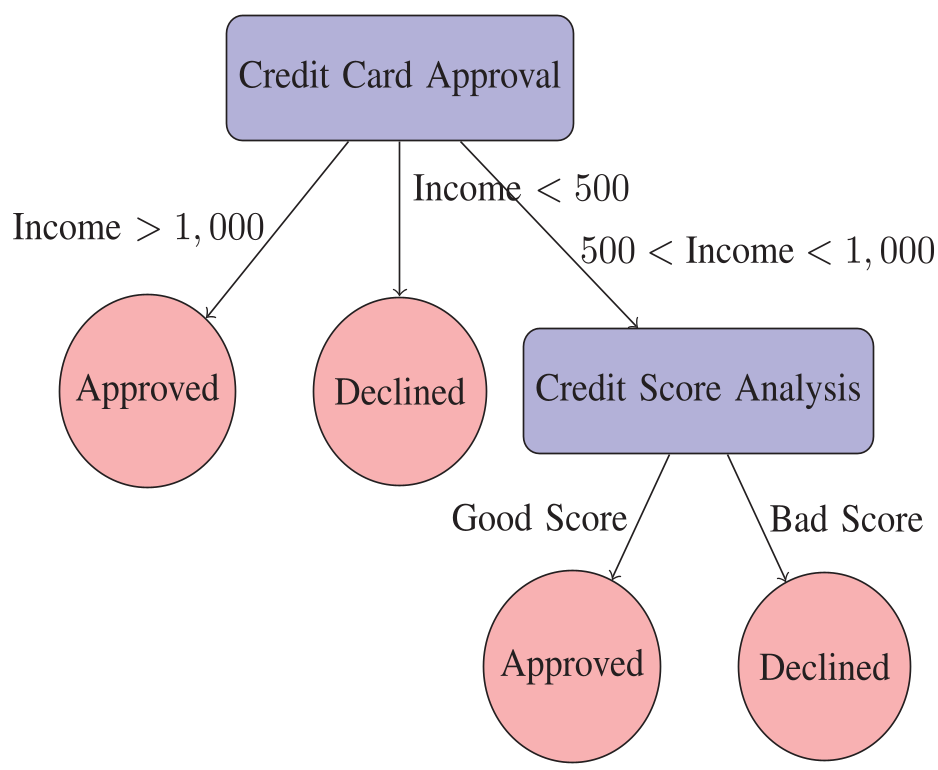 Figure 1: The standard Gradient Boosting algorithm logic applied in the study.
Experimental Insights
The research utilized a dataset involving card activation dates, transaction history, and merchant categories. After a rigorous Data Preprocessing Treatment (DPT)—handling missing values (dropping if <5%, otherwise using mode) and encoding categorical features—the models were put to the test.
Key Findings:
- The Learning Rate Sweet Spot: The researchers found that a learning rate of 0.01 provided the optimal balance. Rates too low found local minima, while rates too high overshot the global minimum.
- Iteration Stabilization: RMSE values stabilized around 900-1000 iterations. Beyond this, the computational cost increased with negligible gains in accuracy.
- Feature Power: The most influential feature was "Month lag Mean" (the average time a card remained inactive), underscoring that recency and frequency are still king in loyalty analytics.
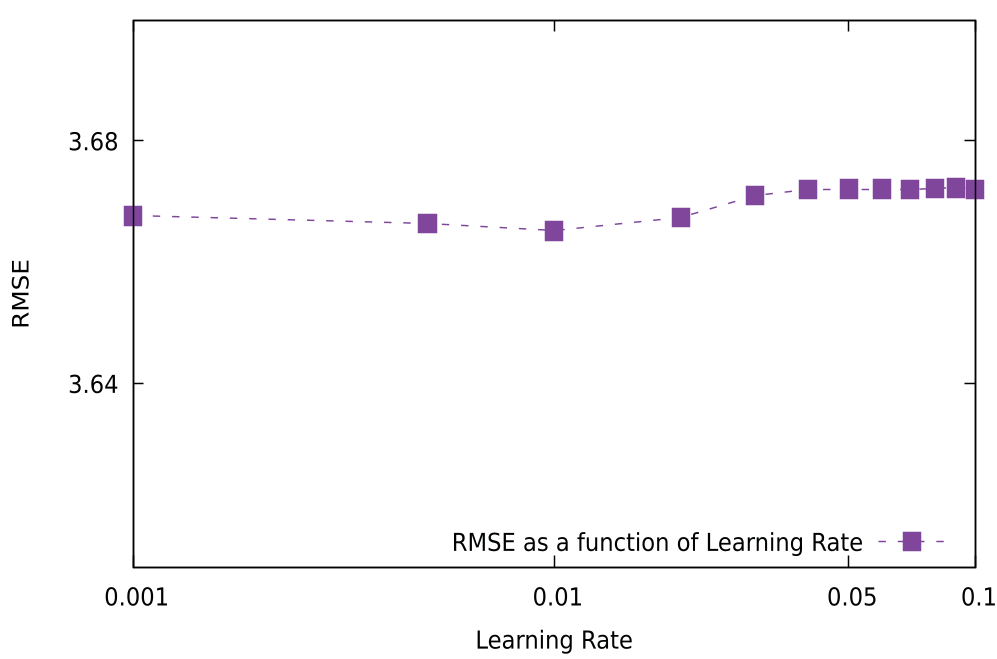 Figure 2: Analysis of the convergence of RMSE at different learning rates.
Head-to-Head: LightGBM vs. XGBoost
The definitive takeaway of the paper is the performance gap shown in the comparison tests. LightGBM consistently maintained a lower RMSE across all tested learning rates compared to XGBoost.
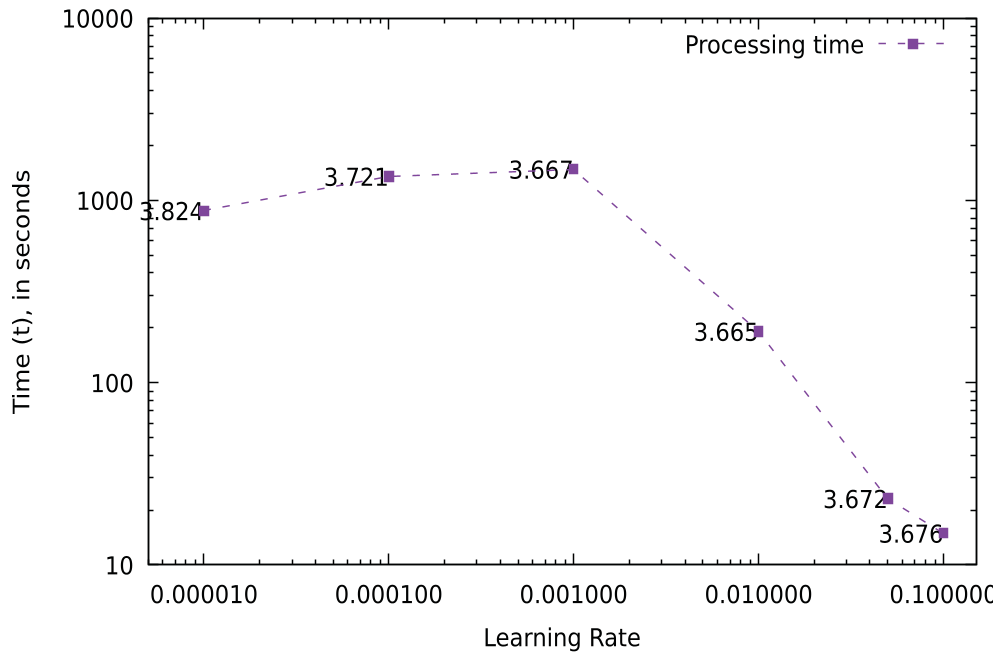 Figure 3: Evidence of LightGBM's superior predictive accuracy in loyalty scoring.
Critical Analysis & Conclusion
The study successfully validates LightGBM as a potent tool for the financial industry. Its ability to provide faster training times and higher accuracy makes it an ideal candidate for real-time CRM engines.
Limitations & Future Work:
- Outlier Sensitivity: The dataset contained 1.1% outliers in the target variable. Future studies could explore robust regression techniques or different loss functions to mitigate their impact.
- Model Diversity: While LightGBM beat XGBoost, the industry is moving toward "Ensemble of Ensembles," combining GBDTs with Deep Learning (like TabNet) for even higher precision.
Final Takeaway: For FinTech practitioners, the shift from XGBoost to LightGBM is more than a trend—it's a mathematically backed upgrade in efficiency and accuracy for large-scale customer analytics.