
Decoding the Unspoken: A Multi-Tiered Framework for Connotative HCI
Linguistic Processing of Implied Information and Connotative Features in Multilingual HCI Applications
The paper introduces a multi-tiered linguistic "filter" designed for multilingual Human-Computer Interaction (HCI) systems. It integrates Lexical, Prosodic, and Paralinguistic tiers to detect and tag implied information and connotative features, facilitating better communication for international users in service sectors.
TL;DR
Communication is rarely just about the words said; it's about what is implied. This paper develops a multi-tiered linguistic filter that bridges the gap between literal translation and pragmatic meaning in HCI. By tagging lexical, prosodic, and paralinguistic cues based on Gricean Cooperativity Principles, the authors provide a roadmap for making multilingual systems truly "culturally intelligent" for the international public.
The "Cultural Gap" in Modern HCI
Standard Human-Computer Interaction (HCI) systems, particularly those relying on Machine Translation (MT) or Interlinguas, typically prioritize the exclusion of connotative features to maintain "neutrality." However, in the service sector—business meetings, financial news, or customer support—this clinical approach fails.
International users often struggle not with vocabulary, but with implied intent. Why did a Greek speaker use a specific verb suffix? Is a German "should" a suggestion or a subtle irony? Existing systems ignore these nuances, leading to potential misunderstandings.
Methodology: The Three-Tiered Filter
The core innovation is a language-specific filter that operates across three distinct levels of human communication:
- Lexical Tier (The "What"): Operates at the word and morpheme level. It identifies "Prosodically Sensitive" words (adjectives/adverbs where stress changes intensity) and "Independent" words (where morphology carries the connotative weight regardless of stress).
- Prosodic Tier (The "How"): Injects markers like
[+STRESS],[+CASUAL], or[+NON-NEUTRAL]to account for tone of voice. - Paralinguistic Tier (The "Physicality"): Captures non-verbal signals such as
[raising eyebrows]or[nod-quick]which are inherently culture-specific.
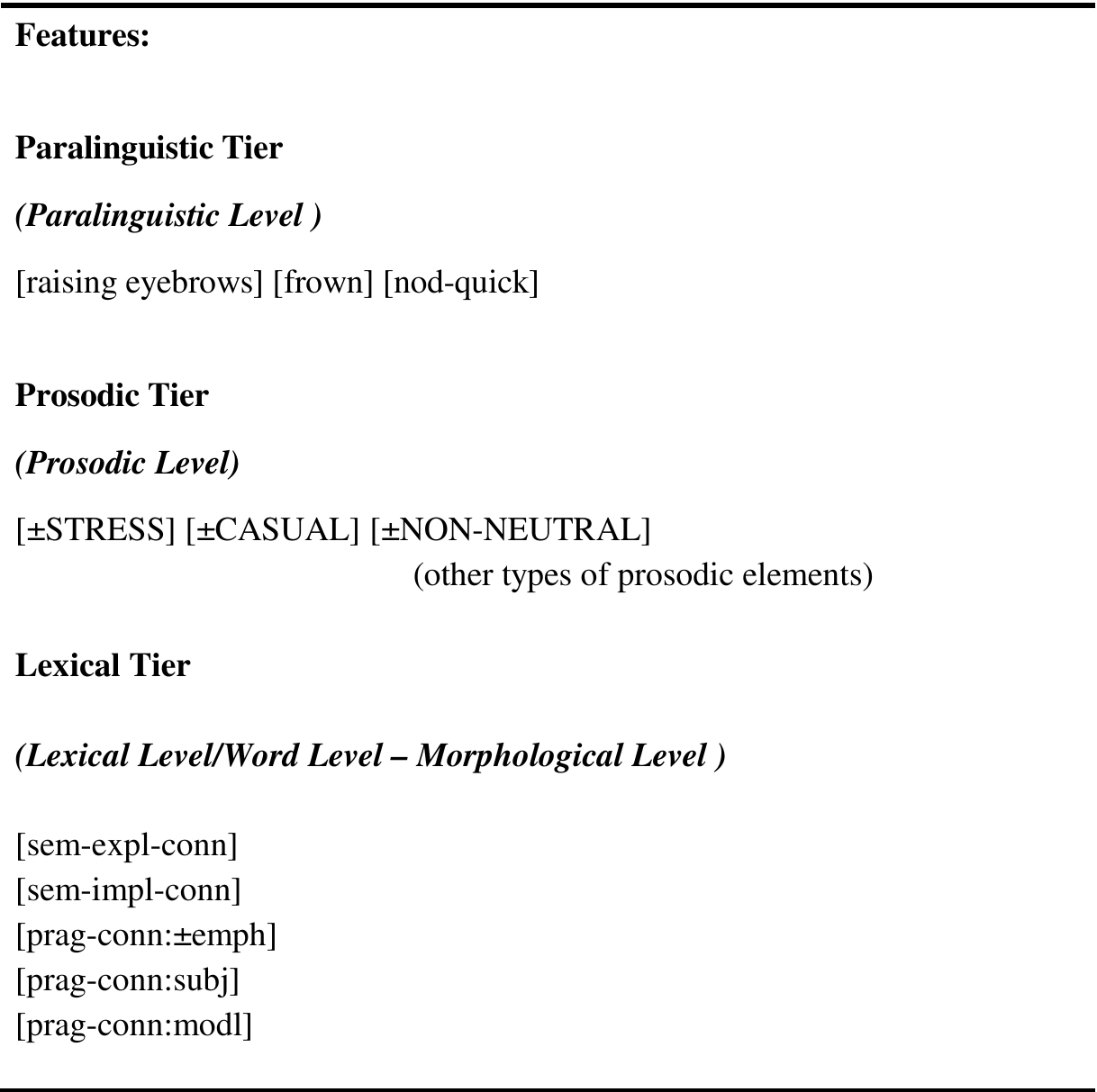 Figure 1: The proposed tagging structure across Paralinguistic, Prosodic, and Lexical levels.
Pragmatic Insights: The Gricean Connection
The authors root their lexical detection in the Gricean Maxims (Quality, Quantity, Manner). When a speaker provides "superfluous information" (flouting the Maxim of Quantity), it is often a "tell-tale sign" of an underlying connotation or emotional gravity.
The Morphological Advantage
A fascinating finding in the paper is the role of morphology in pro-drop languages like Modern Greek. The authors note that verb suffixes can inherently imply politeness or friendliness.
- Prosodically Independent Category: In many these cases, the morphological structure is "opaque" to prosodic interference. The meaning is baked into the grammar itself, making it a reliable target for digital tagging.
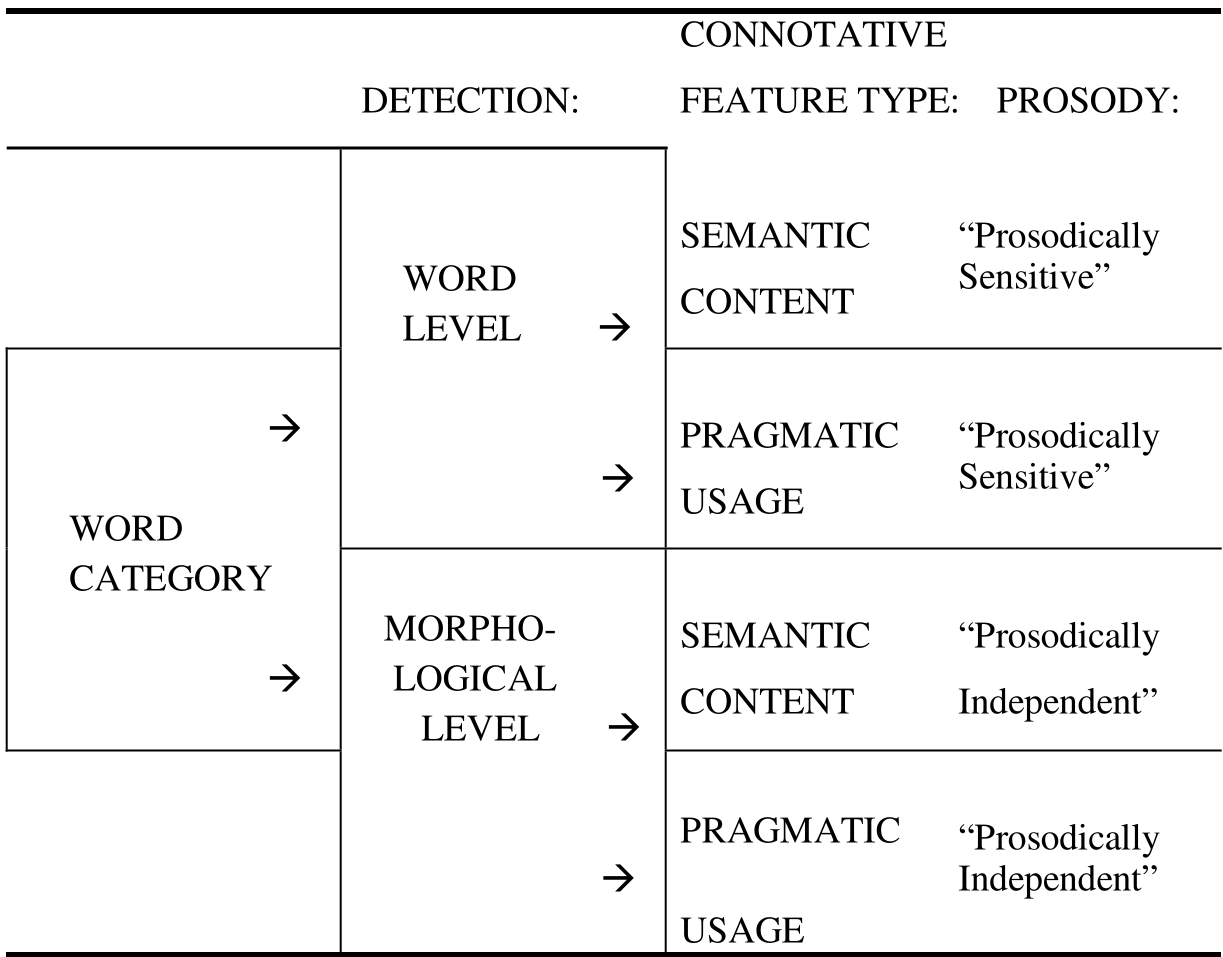 Figure 2: Classification of Word Categories based on Semantic Content and Prosodic Sensitivity.
Critical Analysis & Future Outlook
While the paper provides a robust theoretical framework and a practical tag-set for English, German, and Greek, the authors admit that the Paralinguistic Tier requires deeper integration with vision-based AI to be fully automated.
Takeaway for Research
This work signals a shift from "Literal MT" to "Pragmatic HCI." As we move toward the Social Semantic Web, the ability to resolve ambiguity through multi-level signalization (tagging not just the word, but the intent behind the morphology and the tone of the prosody) will be the benchmark for high-end service applications.
Future Work: The authors suggest that the Morphological Level appears resilient to prosodic shifts in terms of semantic content—a hypothesis that warrants rigorous testing across Tonal languages like Thai or Chinese.