From Passive Profiles to Active Careers: Decoding LinkedIn Patterns for New Graduates
Identifying LinkedIn Usage Patterns Based on Feedback from Students and Fresh Graduates
This paper investigates LinkedIn usage patterns among 108 technical students and fresh graduates from the University of Craiova. Using a 20-question survey and follow-up analysis, it identifies key correlations between user activity (like posting and profile strength) and professional visibility to recruiters, particularly within the ITC sector.
TL;DR
Is a LinkedIn profile enough to land a job? According to a new study from the University of Craiova, the answer is a resounding "no." By tracking over 100 ITC students and graduates, researchers found that while 85% have profiles, only a tiny fraction understands how to trigger the platform's "recruiter magnet" effects. The study reveals that active posting and strategic networking are far more critical for visibility than simply "having a resume online."
The "Lurker" Problem: Motivation & Pain Points
Many students treat LinkedIn as a static digital resume—a "set it and forget it" tool. The researchers identified a significant pain point: Technical students are often "passive lurkers." They join out of curiosity but fail to use groups, hashtags, or content features.
The motivation behind this study was to understand the causality between specific on-platform actions and professional progression. Why do some students get headhunted before graduation while others remain invisible?
Methodology: Beyond the Surface
The research team surveyed 108 individuals in various stages of their technical education. They didn't just look at "what" people did; they looked at the correlations (using Spearman’s Rank Correlation Coefficient) between:
- Time of Employment vs. LinkedIn Usage Duration (Correlation: 0.62)
- Connection Count vs. Profile Views (Correlation: 0.85)
- Activity (Liking/Commenting) vs. Recruiter Contact (Correlation: 0.61)
Core Insights: What Actually Works?
1. The Power of the Post
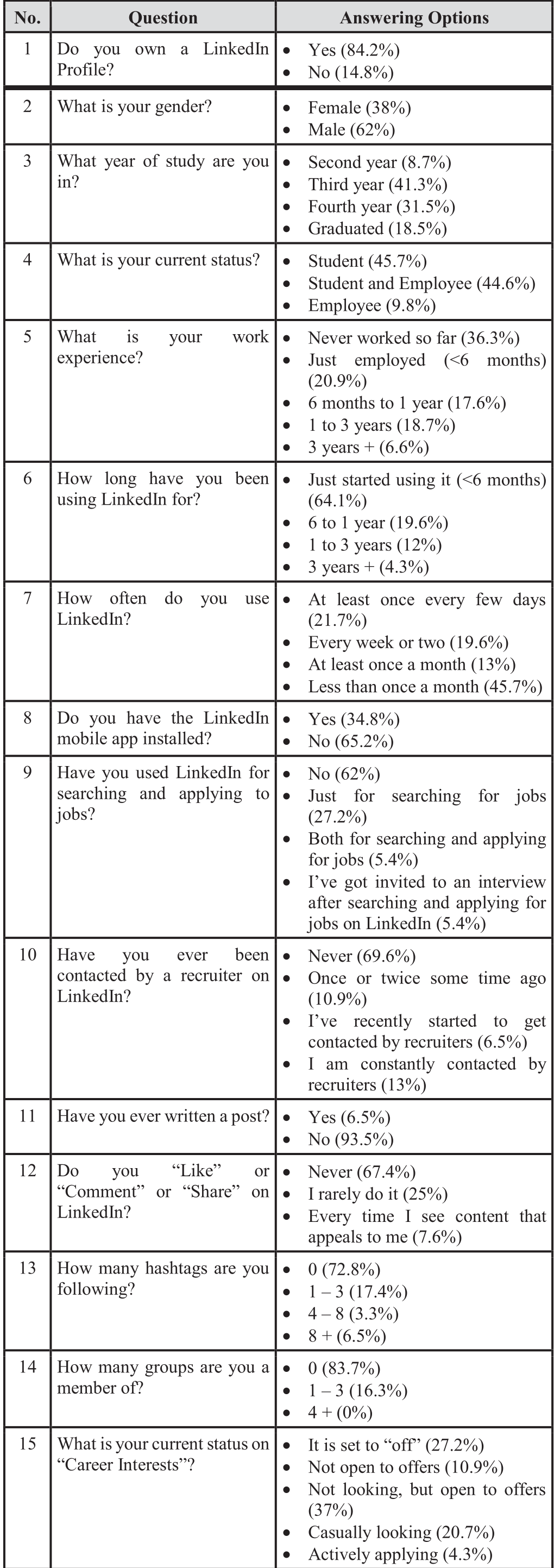
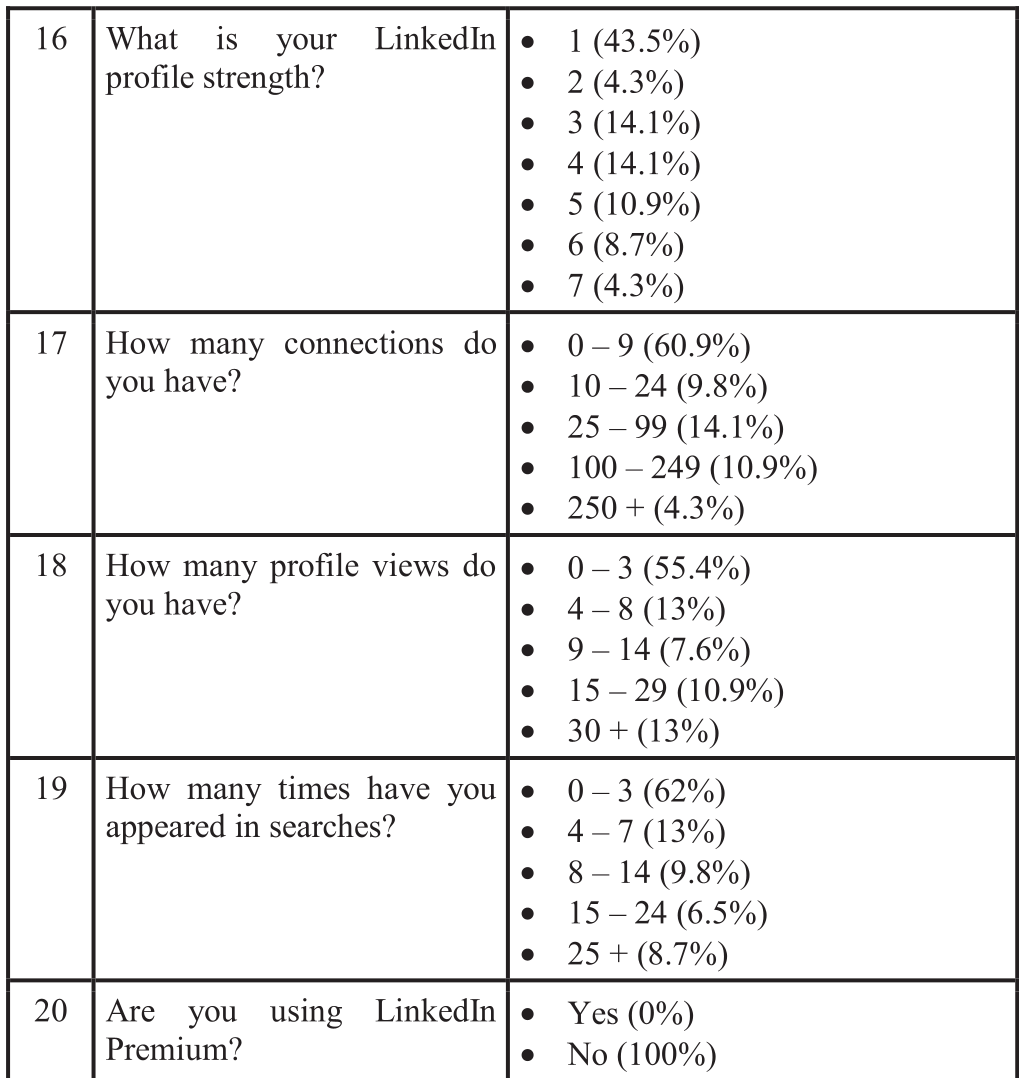
The data shows that posting is not "casual" like Facebook. Users feel the weight of professional judgment. However, the 6.5% of students who did post were the ones most frequently contacted by recruiters (over 83% of them). Insight: Content creation acts as a high-authority signal to the LinkedIn algorithm and recruiters alike.
2. The Recruiter's "Digital Hook"
The "Career Interests" toggle is a game-changer. 89.2% of individuals contacted by recruiters had this feature switched "ON." Despite its effectiveness, many students were unaware or "neutral" about how it impacted their notoriety.
3. Connection Density Matters
There is a massive jump in visibility once a user crosses the initial "0-9 connections" threshold. The study found a staggering 0.80 correlation between connection count and appearance in search results.
The "Curiosity" Intervention
One of the most interesting parts of this research was the follow-up. After the initial survey—which included screenshots and instructions—students' behavior shifted dramatically:
- Job applications via the platform rose from 10.8% to 22.8%.
- Group membership jumped from 16.3% to 58.6%.
- Hashtag following increased from 27.2% to 52.1%.
This suggests that the primary barrier isn't a lack of interest, but a lack of literacy regarding the platform’s mechanics.
Critical Analysis & Future Outlook
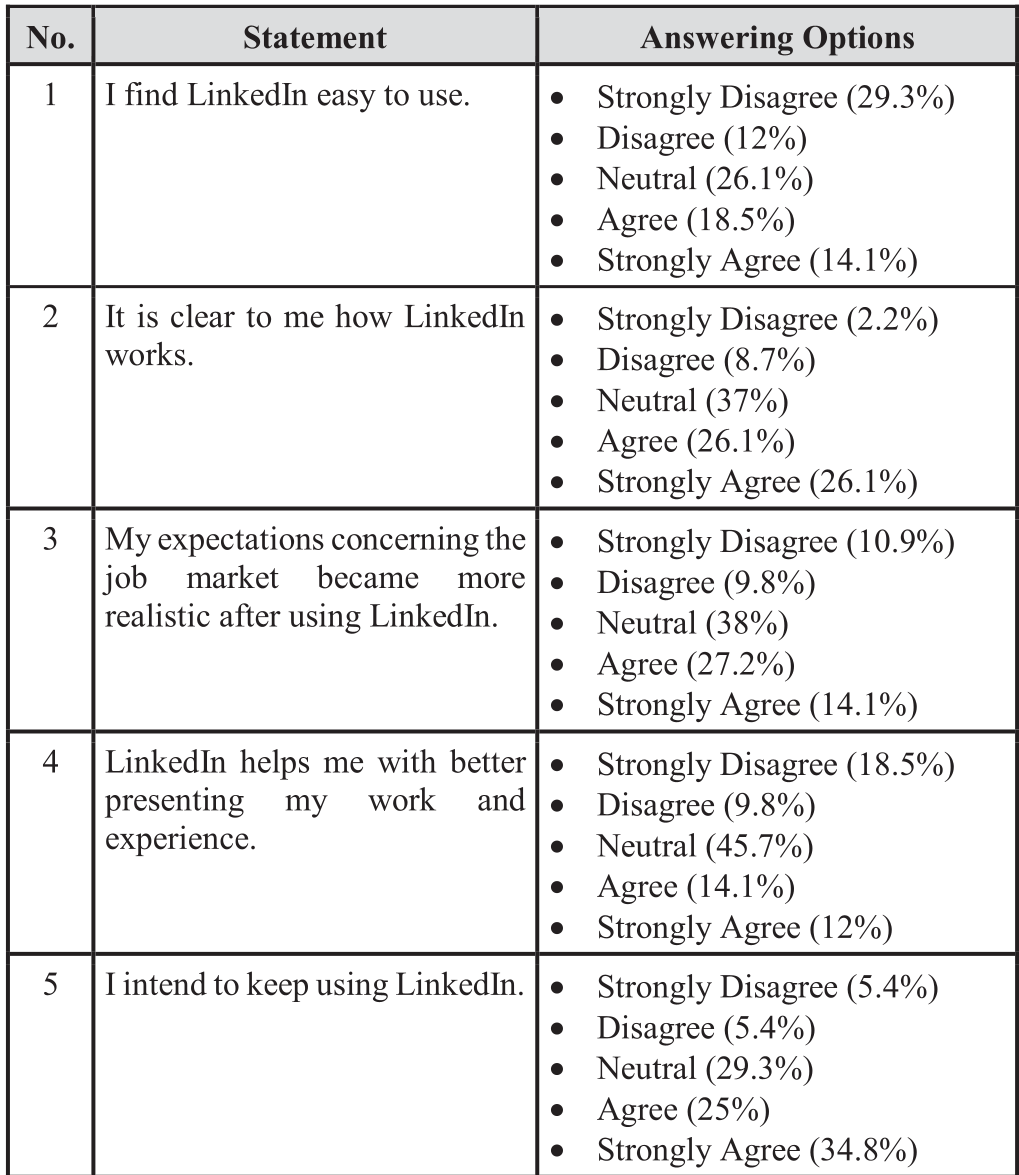
The study concludes that LinkedIn has a "steep learning curve" for the uninitiated. 41% of users still find it difficult to navigate effectively.
Takeaway for Students: Stop waiting for graduation to "be" a professional. The correlation between employment and LinkedIn activity (0.62) suggests that the two happen in tandem. Engaging with content—even through simple "Likes"—is a statistically valid way to increase recruiter exposure.
Takeaway for Universities: The researchers suggest that universities must take an active role. Professional platforms are no longer "optional extras"; they are the primary infrastructure of the modern job market. Integrating LinkedIn optimization into the curriculum isn't just career advice—it's essential technical training.
Summary Table of User Perception