
Beyond the h-index: Leveraging Local Social Networks for Strategic Research Management
A local social network approach for research management
The paper introduces a local social network approach for institutional research management, proposing the Research Online (ROL) platform to analyze internal collaboration patterns. It features a novel "collaboration supportiveness" metric and utilizes two-mode (author-topic) network analysis to guide strategic resource allocation and identify research priorities.
TL;DR
In the competitive landscape of global academia, traditional metrics like citation counts and journal impact factors fall short of explaining how research actually happens. This paper introduces a local social network approach that focuses on the "connectivity" of researchers. By moving the lens from global prestige to local collaboration, the authors provide a framework to identify the real "engines" of departmental productivity through a new collaboration supportiveness metric and author-topic joint analysis.
Background: The Myopia of Personal Metrics
Most universities evaluate faculty as if they are islands. We look at an individual’s h-index or the JIF of their latest publication. However, research is increasingly a "team sport." When we only measure individual output, we ignore the social position of the researcher:
- Who bridges two disparate research groups?
- Who provides the technical support that allows senior faculty to publish more?
- Which research topics are the "glue" holding a department together?
The authors argue that institutional managers need a Local Social Network (LSN) view to answer these questions and allocate resources effectively.
Methodology: Mapping the Invisible College
The heart of this research is the Research Online (ROL) platform, which transforms raw publication data into three types of networks:
1. The Collaboration Supportiveness Metric
Traditional co-authorship graphs are undirected (if A works with B, B works with A). This paper introduces directionality. They assign weights based on author order and calculate:
- In-Support: The help a researcher receives from others.
- Out-Support: The help a researcher provides to the community.
- Collaboration Supportiveness: The net contribution to the local ecosystem.
2. Two-Mode Author-Topic Networks
Instead of just looking at who talks to whom, the authors look at who talks about what. By linking researchers to specific keywords, they can identify "centers of excellence" and "knowledge gaps."
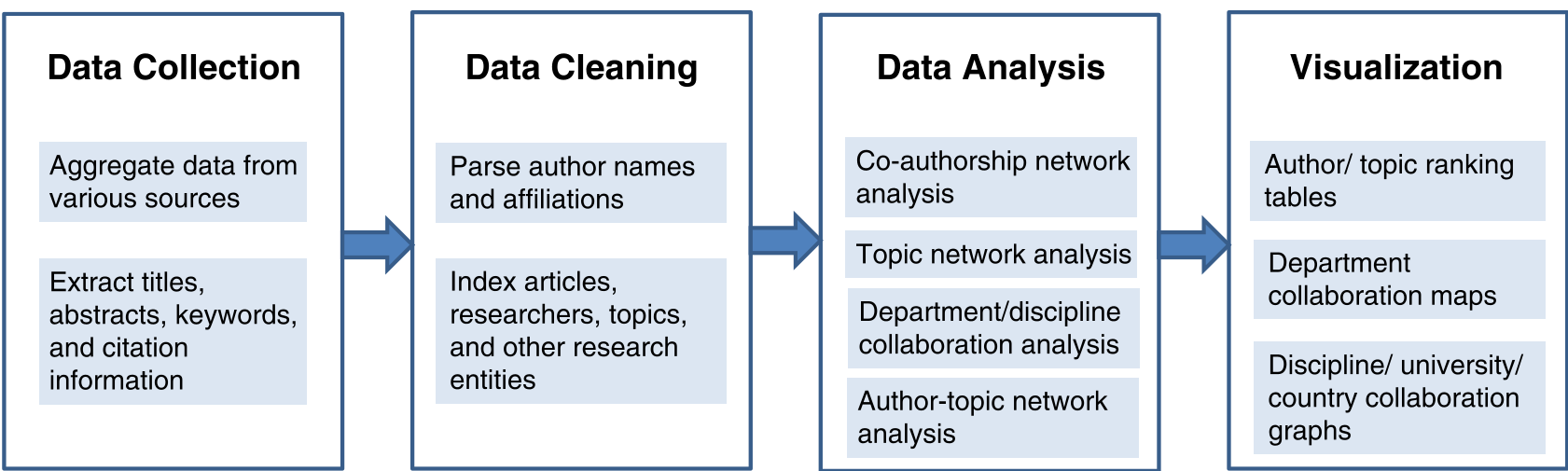 Figure 1: The research framework for local social network-based research management.
Key Insights from the Field Study
The researchers applied their model to a university department and discovered several technical "surprises" that traditional metrics would have missed:
- The Bridge vs. The Star: Some researchers had fewer publications (lower degree centrality) but very high betweenness centrality. These individuals are "gatekeepers" who connect different research clusters. Losing them would fragment the department.
- Supportiveness Rankings: When ranked by "Supportiveness," the leaderboard changed entirely. Researchers who were mid-tier in productivity emerged as the primary "supporters" of the department's top stars.
- Topic Clusters: Through component analysis, they identified three distinct "islands" of expertise: Information Systems Development, Decision Support, and Technology Adoption.
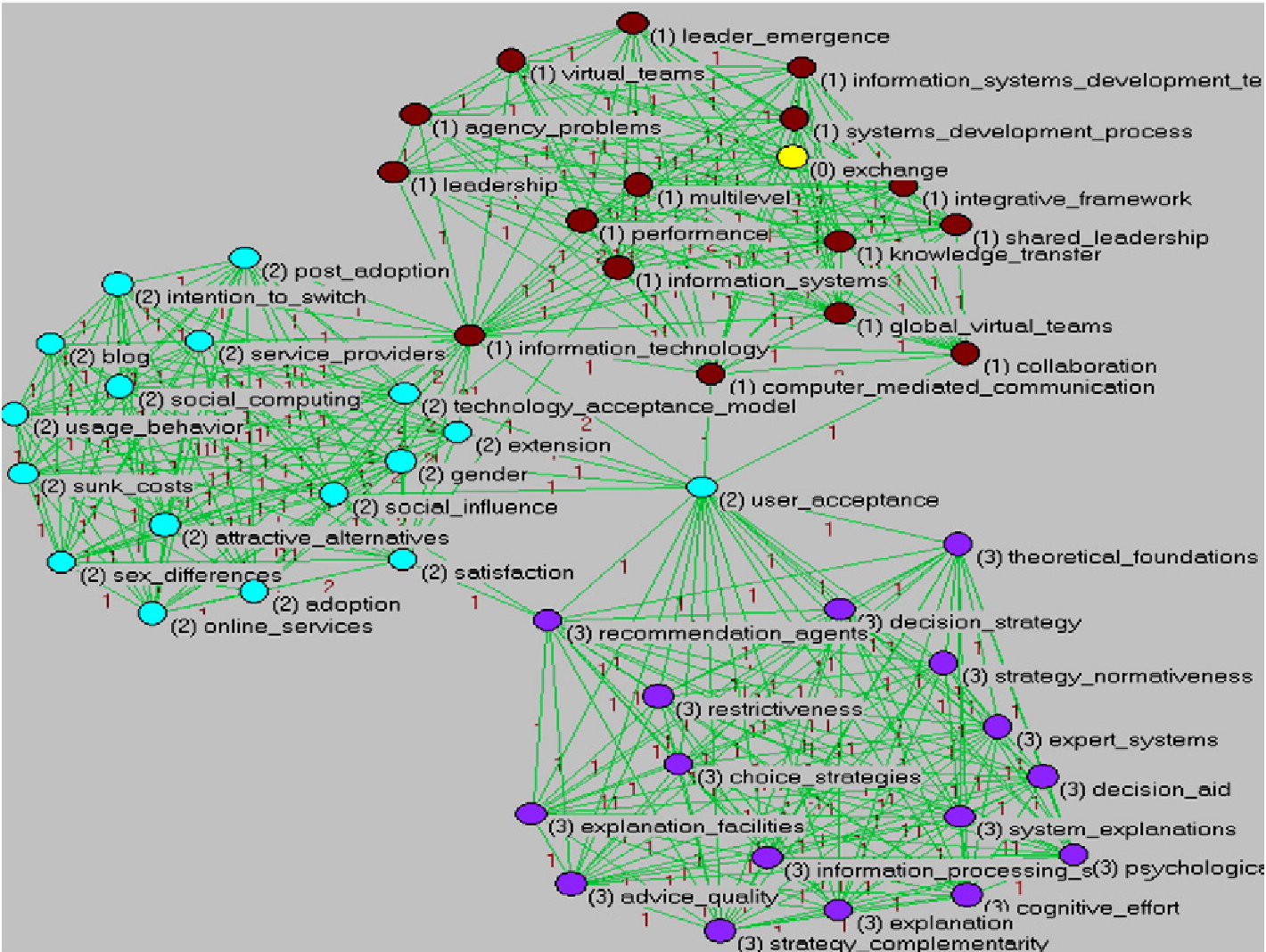 Figure 2: Visualizing the core research themes within the department.
Strategic Impact: Management as a Science
The value of this approach extends beyond curious visualizations. For a University Research Office, these insights lead to:
- Incentive Design: Rewarding "supportive" researchers, not just "star" authors.
- Strategic Hiring: Identifying "structural holes" in the topic network and hiring people who can bridge them.
- Path Identification: Using the network to suggest new collaborators. For example, if Researcher A knows about "Trust" and Researcher B knows about "Virtual Communities," the system can recommend a path through a mutual collaborator (Researcher C) to spark a new grant proposal.
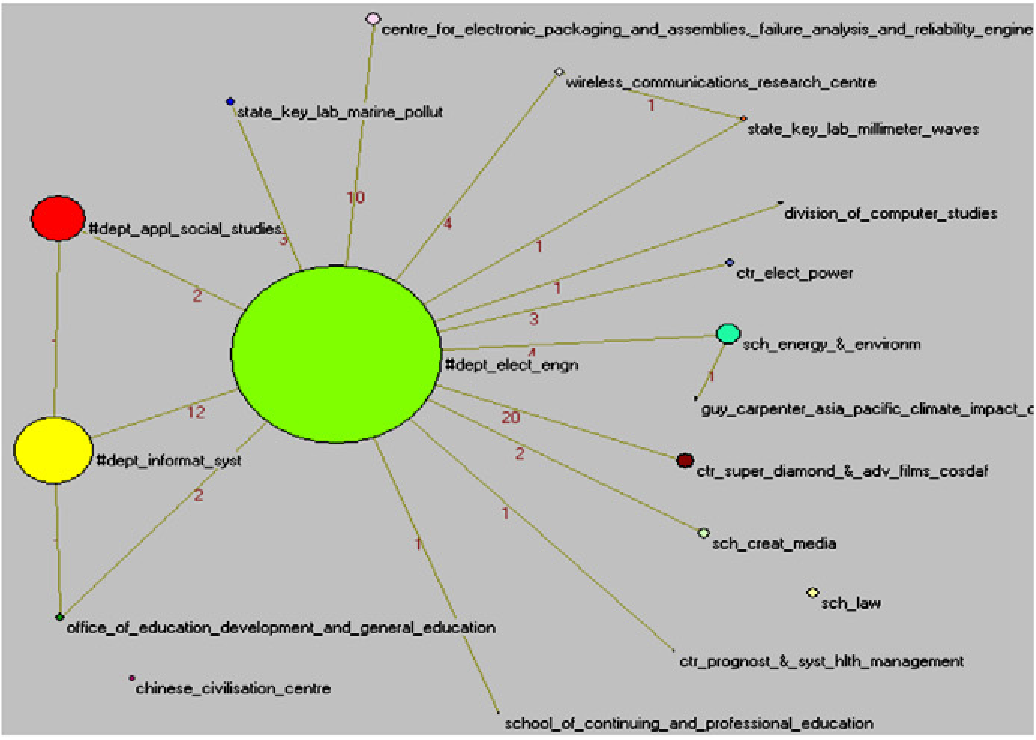 Figure 3: Broad view of inter-departmental collaboration across the university.
Critical Insight & Conclusion
While this paper was published in 2012, its core logic is more relevant than ever in the era of Big Data and AI. Today’s research repositories are overflowing with data, yet we still use 20th-century metrics.
The Takeaway: High-quality research management is not about hitting a quota of papers; it's about optimizing the flow of knowledge. By treating a university as a local social network, administrators can stop guessing and start managing research as the complex, interconnected system it truly is.
Limitations: The study relies primarily on published articles. In the future, incorporating "gray literature" like working papers and grant applications would provide an even more real-time view of collaboration before the long publication cycle completes.