
‘Looking at’ or ‘Keeping up’? Decoding the DNA of Social Media Motivation
Looking at’, ‘looking up’ or ‘keeping up with’ people? Motives and uses of Facebook
This seminal study explores the motivations behind Facebook usage through a "Uses and Gratifications" framework. It identifies seven distinct factors of user gratification—Social Connection, Shared Identities, Content, Social Investigation, Social Network Surfing, and Status Updating—providing a foundational taxonomy for social networking research.
TL;DR
In one of the earliest deep-dives into the psychology of Facebook, Adam Joinson's 2008 research deconstructs user behavior into seven core gratifications. The study reveals that while we visit social media to "check up" on people (surveillance), we stay for the content (stickiness), and our privacy settings are often a calculated trade-off for social discovery.
Background: Beyond the Scare Stories
In 2008, the media was obsessed with the "dangers" of Facebook—addiction, identity theft, and predator alerts. Joinson stepped away from the sensationalism to apply a classic media theory: Uses and Gratifications (U&G). Instead of asking what Facebook does to people, he asked what people do with Facebook.
The "Seven Pillars" of Social Media Gratification
By analyzing user-generated descriptions, the study identified seven distinct psychological "wins" users get from the platform:
- Social Connection: Reconnecting with lost contacts and maintaining "weak ties."
- Shared Identities: Joining groups and organizing events based on niche interests.
- Photographs: A unique gratification involving tagging and "virtual people-watching."
- Content: Playing games and using third-party applications (the "time-wasters").
- Social Investigation: Looking up people met offline (targeted searching).
- Social Network Surfing: Browsing through friends of friends (exploratory looking).
- Status Updates: Keeping up with the "newsfeed" and the modern desire for "perpetual contact."
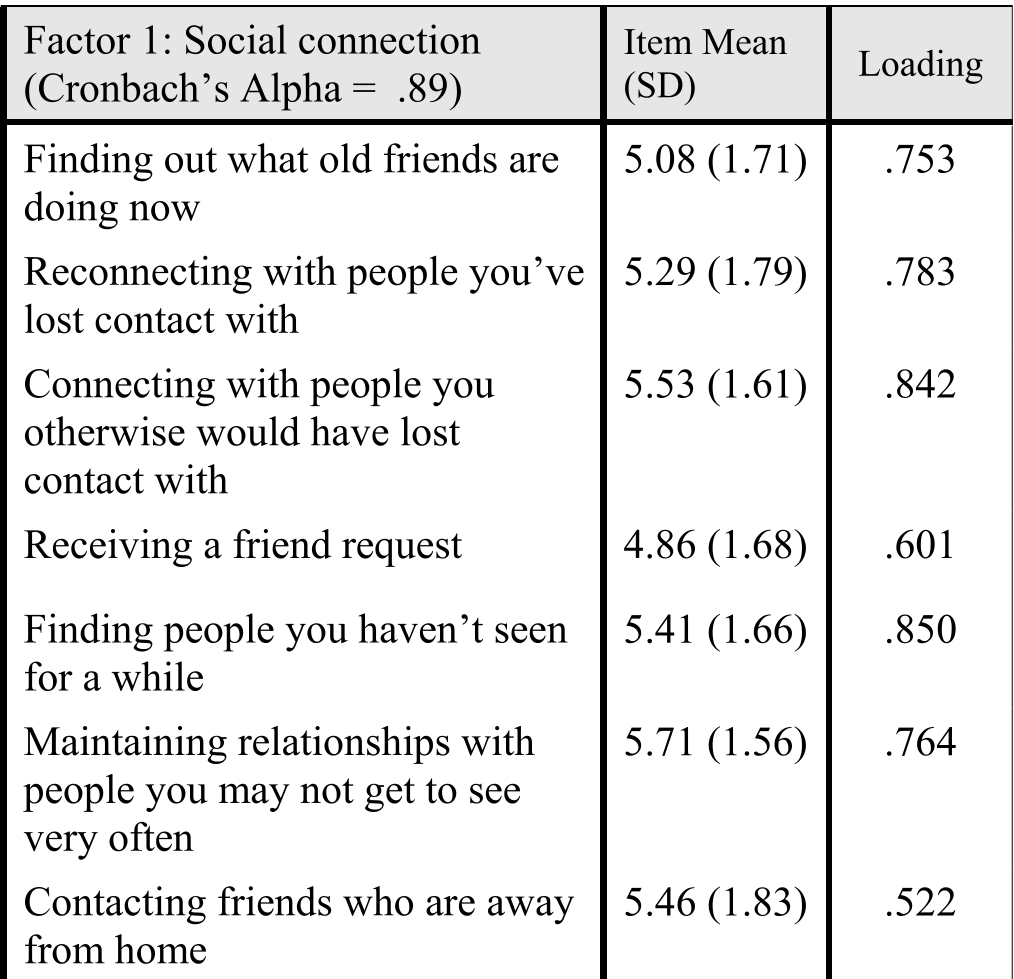 Table 1: The Social Connection Factor—the strongest driver for users seeking to bridge social gaps.
Why Deciphering "Why" Matters
The research uncovered an essential distinction in user behavior that still dictates how apps are designed today:
- The "Check-in" vs. The "Deep Dive": Gratifications like Status Updates and Photos predict the frequency of visits (how many times you open the app). Conversely, Content and Games predict the duration (how long you stay).
- The Privacy Paradox: Unlike previous studies that suggested users were lazy with privacy, Joinson found that users actually customized settings based on their goals. Those wanting to meet new people (Social Browsing) intentionally kept profiles more open.
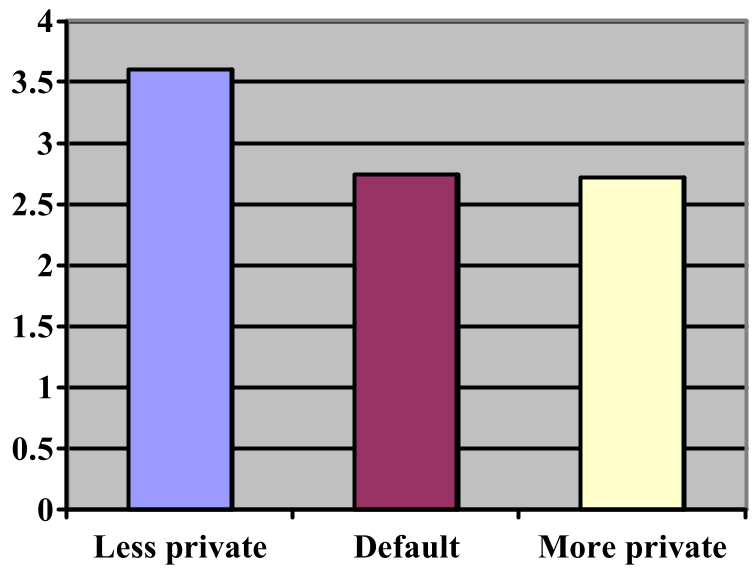 Figure 1: Users who aim to "Meet New People" score significantly higher on the openness of their privacy settings.
Methodology: A Two-Stage Exploration
Joinson didn't just guess what users liked. He used a bottom-up approach:
- Study 1 (Qualitative): 137 users provided the vocabulary of their enjoyment (e.g., "poking," "stalking," "keeping in touch").
- Study 2 (Quantitative): 241 users rated these items, allowing the author to use Factor Analysis to see which motivations clustered together.
Critical Insight & Design Implications
The most profound takeaway is the concept of Social Surveillance. Facebook effectively became a tool for "virtual people watching." This behavior explains the initial backlash—and eventual addiction—to the "News Feed."
For designers, the message is clear: To build a successful social platform, you need a "Killer App" for repeat visits (like a feed) but robust "Content" to ensure users don't just glance and leave.
Conclusion: A Snapshot of a Digital Revolution
While the "wall" and "pokes" mentioned in the paper feel like digital fossils, the core motivations—Social Investigation and Social Connection—remain the bedrock of modern giants like Instagram and LinkedIn. Joinson’s work reminds us that while the technology changes, our fundamental human drive to "look at" and "keep up with" each other remains constant.