
Frugal Healthcare: Empowering Patients via Open-Source Dashboards and Edge AI
Position Paper: Low-Cost Solutions for Home-Based Healthcare
This position paper advocates for the development of low-cost, personalization-oriented home healthcare systems through the integration of wearables, IoT, and machine learning. It proposes a "Personal Health Dashboard" framework and underscores the role of frugal engineering and open-source hardware/software in expanding healthcare accessibility.
TL;DR
This position paper explores the intersection of frugal engineering and modern technology to solve the "last mile" of home healthcare. By utilizing open-source hardware (Raspberry Pi/Arduino), 3D printing, and edge-based Machine Learning (TinyML), the authors propose a transition from expensive clinical devices to accessible, DIY Personal Health Dashboards. These tools provide actionable insights from wearable data while significantly reducing the Total Cost of Ownership (TCO).
The Motivation: Why DIY Healthcare?
The barrier to high-quality healthcare is frequently economic and geographic. During the COVID-19 pandemic, the fragility of centralized systems became apparent. The authors argue that current healthcare technology follows a "gold standard" that is often:
- Too Expensive: High manufacturing and licensing costs.
- Opaque: Closed-source systems that cannot be modified for specific patient needs (e.g., visual impairments).
- Latency-Prone: Heavy reliance on cloud computing for data analysis, which is unsuitable for real-time monitoring in areas with poor connectivity.
The core insight is that Personalization and Frugality are not mutually exclusive; rather, open-source ecosystems allow patients and caregivers to become "makers" of their own therapeutic solutions.
Methodology: The "Open" Architecture of Care
The authors advocate for a decentralized framework where data flows from sensors to local "intelligence" hubs.
1. IoT & Edge Integration
Instead of sending every heartbeat or step-count to a distant server, the paper suggests using TinyML and TensorFlow on devices like the Raspberry Pi. This enables:
- Reduced Latency: Immediate feedback for the patient.
- Privacy: Health data stays on-site.
- Low Power: Optimized for battery-operated wearables.
2. The Personal Health Dashboard
A centerpiece of their work is the evolution of the health dashboard. Moving away from complex medical monitors, they developed physical indicators that "gamify" health metrics.
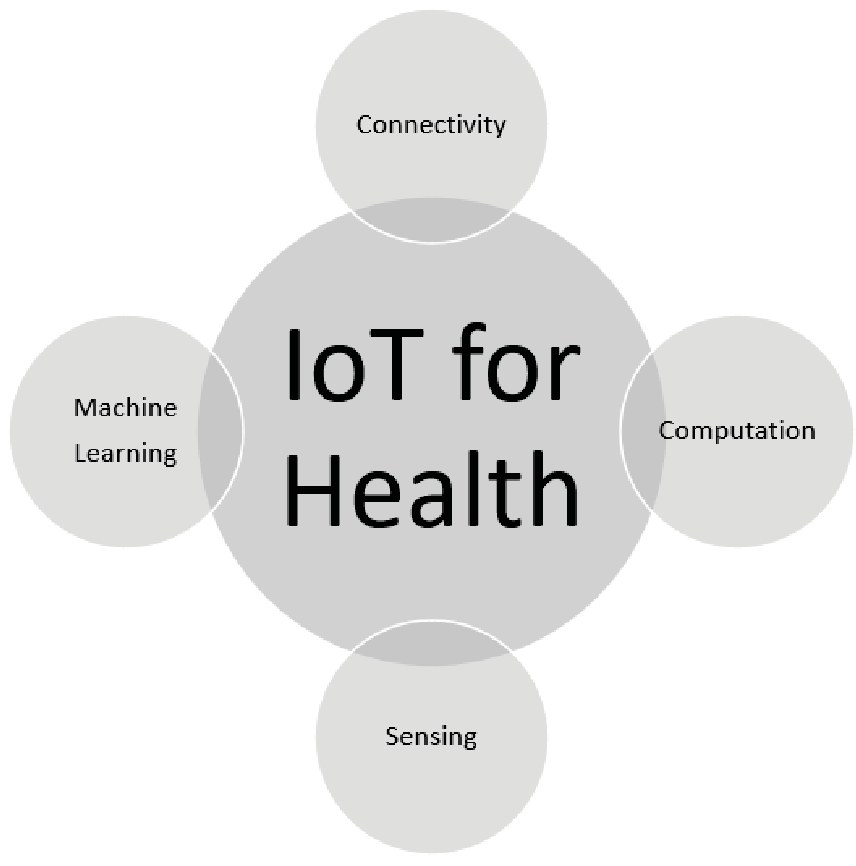 Fig. 3. The proposed IoT framework for open healthcare applications.
3. Frugal Manufacturing
By utilizing Additive Manufacturing (3D Printing) and off-the-shelf electronics, specialized equipment like non-contact thermometers or prosthetic components can be produced locally for a fraction of the cost.
Experiments & Prototyping: From LEDs to AI
The authors detailed two generations of dashboards designed to monitor activity (e.g., from Fitbit APIs):
- Gen 1: A simple 8-LED linear display driven by a Raspberry Pi.
- Gen 2: A larger, high-visibility countdown/count-up display using a Raspberry Pi Zero and Arduino for those who need more "un-ignorable" feedback.
- Future Gen: Integration of auditory queries and haptic feedback for multimodal interaction.
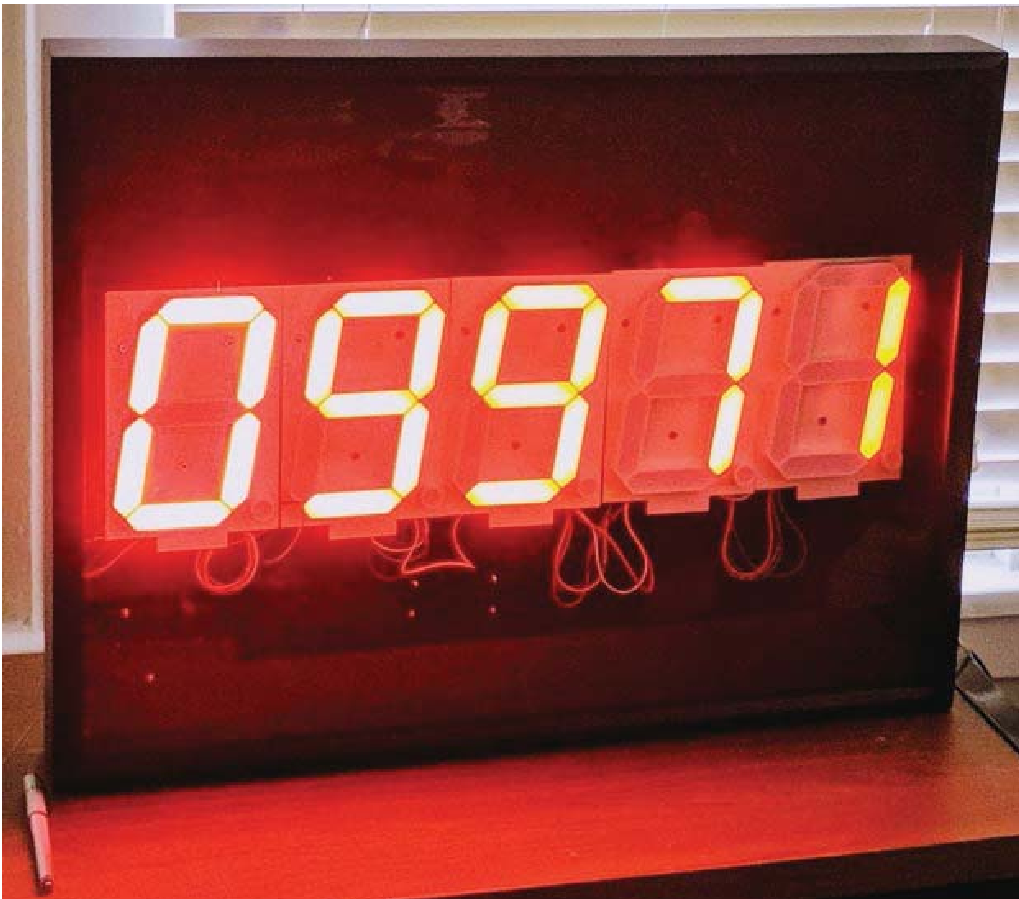 Fig. 5. Second-generation physical Health Dashboard, prioritizing visibility and simplicity.
Economic Analysis
The paper provides a refreshing look at the Total Cost of Ownership (TCO). While a professional medical prototype can cost thousands, a functional open-source Proof-of-Concept (PoC) costs roughly $100 USD. Scaling these designs through "Industry 4.0" principles can yield up to 5x cost savings, making them viable for developing regions.
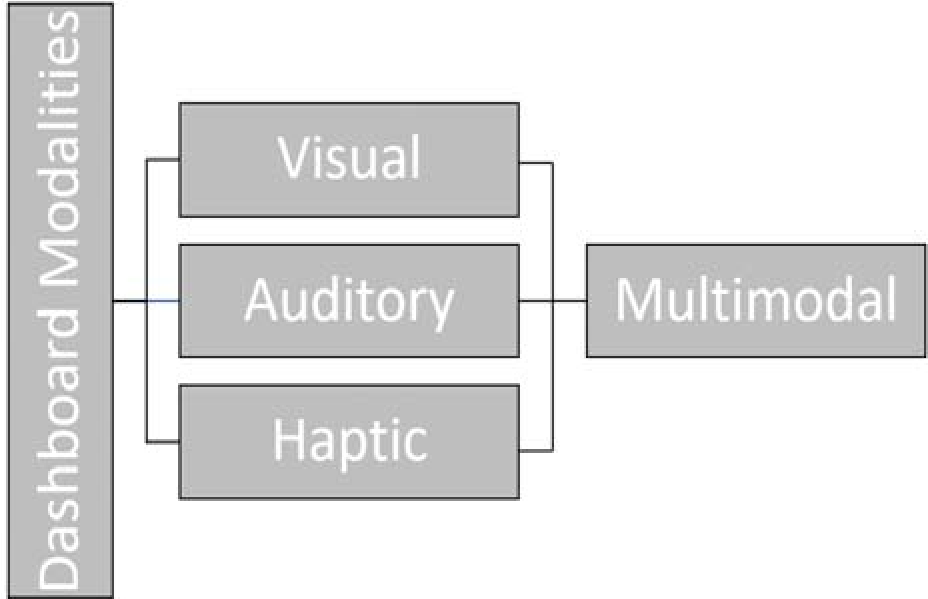 Fig. 6. Exploring multimodal dashboard responses: Visual, Auditory, and Haptic.
Critical Insights & Future Outlook
The "Position" of this paper is a call to action for the scientific community.
- The Power of Openness: The authors emphasize that for DIY healthcare to be safe and effective, hardware and software must be 100% open. This ensures peer review and shared risk assessment.
- Interoperability is Key: A major hurdle is the "siloing" of data. Future work must focus on semantic interoperability—ensuring that a DIY thermometer can speak the same language as a hospital's EHR system.
- Limitation: While low-cost, these devices still face regulatory hurdles. The paper notes that scientific studies and clinical trials for "DIY solutions" are necessary to gain broader trust and legal certification.
In conclusion, the shift toward frugal, home-based healthcare is not just an economic necessity but a path toward more humane, personalized care that adapts to the patient, rather than forcing the patient to adapt to the system.