
Intelligent Assessment: Leveraging Machine Learning to Evaluate Aquaculture Robot Research
Evaluation Model of Aquaculture Robot Technology Research Project Based on Machine Learning
This paper presents a machine learning-based evaluation model for aquaculture robot research projects, integrating Analytic Hierarchy Process (AHP) and Support Vector Machines (SVM). The framework establishes a multi-dimensional index system to standardize the performance assessment of underwater robotic technologies.
TL;DR
As aquaculture shifts towards automation, evaluating the influx of robotic research projects has become a bottleneck for funding bodies and institutions. This paper introduces a Machine Learning-based Evaluation Model that combines the Analytic Hierarchy Process (AHP) with Support Vector Machines (SVM) to create a standardized, high-precision grading system for underwater technology projects.
Background & Motivation
The traditional evaluation of scientific research is often plagued by subjective bias and a "one-size-fits-all" approach that fails to account for the unique challenges of specific fields. For aquaculture robots, the complexity arises from the harsh underwater production environment and the multi-disciplinary nature of the technology (mechanical, control, and marine science).
The author identifies a critical failure in "Original Models": Improper Index Selection. Without a comprehensive range of indicators, evaluation results become skewed, leading to sub-optimal resource allocation.
Methodology: Bridging Expert Knowledge with ML
The proposed model functions through a sophisticated four-stage pipeline:
1. The Hierarchical Index System
Using the Analytic Hierarchy Process (AHP), the author defines three primary dimensions for evaluation:
- Project Management: Manpower, finance, and facilities.
- Project Level: Technical indices, intellectual property, and research achievements.
- Project Effectiveness: Economic performance, social results, and technology contribution.
2. Weight Calculation & Dimensionless Processing
To ensure fairness, weights are assigned to each index. Interestingly, Project Effectiveness (35%) and Project Management (35%) are weighted equally, highlighting that the execution of a project is as vital as its eventual results.
3. Machine Learning Optimization
The core innovation lies in the use of Naive Bayes and Support Vector Machines (SVM).
- Naive Bayes is used to handle the conditional probability of project samples belonging to specific quality categories.
- SVM acts as a linear classifier to find the optimal "hyperplane" that separates successful projects from failing ones, ensuring high stability even with limited sample data.
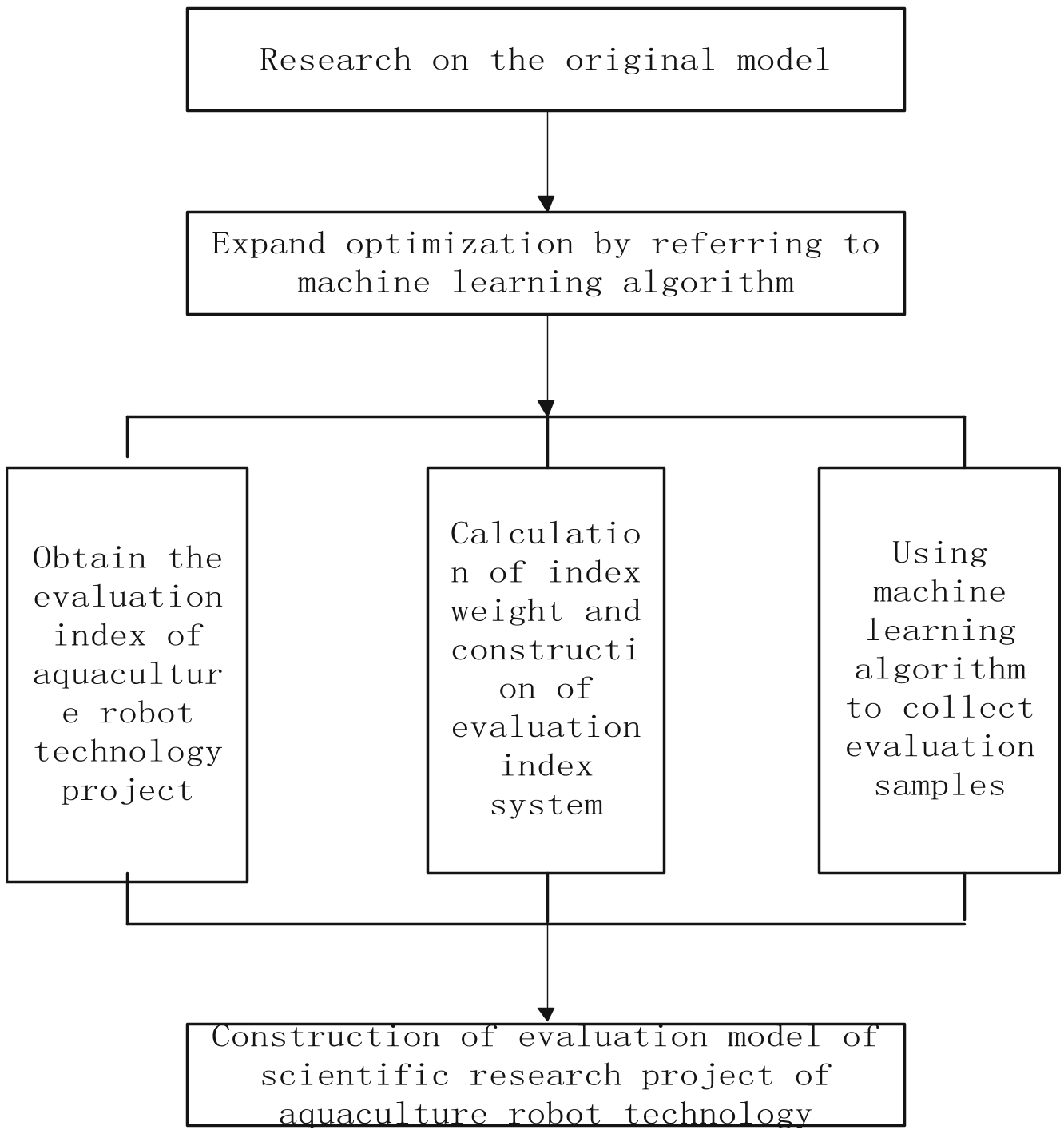 Figure 1: The optimized structure of the evaluation model combining machine learning with standard evaluation flows.
Experimental Validation
To verify the model, the author conducted a comparative experiment between the new ML-based model and the traditional "Original Model."
Key Findings:
- Index Coverage: The proposed model successfully incorporated 100% of the sample contents, whereas the original model missed key metrics like Financial Input, Technical Index, and Application of Achievements.
- Grading Precision: By using a standardized scoring system (0-100), the model categorizes projects into five distinct grades (I-V), from "Good" to "Difference."
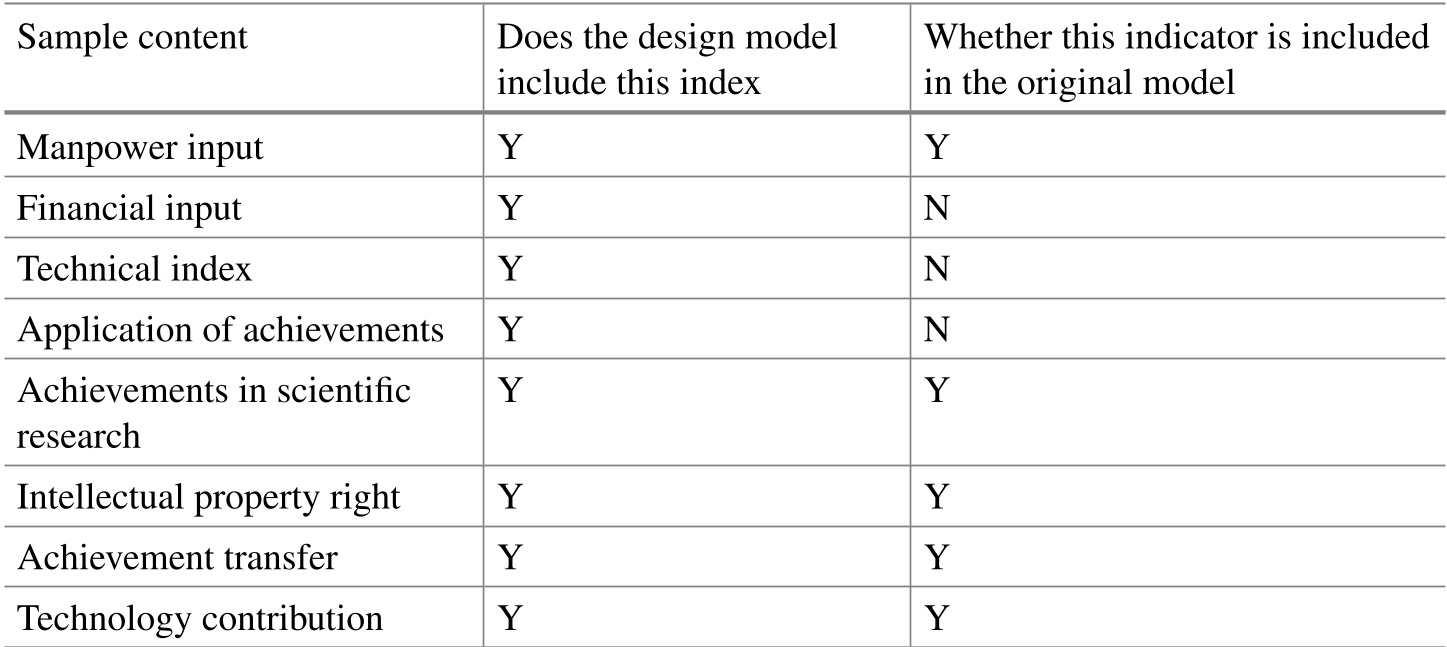 Table 1: Comparative analysis showing the superior index coverage of the designed model.
Critical Insight & Conclusion
The true value of this work lies in its Inductive Bias—the assumption that research quality is a multi-variant problem that can be mapped into a high-dimensional feature space. By utilizing SVM, the model moves away from simple linear averaging to a more robust classification boundary.
Limitations: While the model is robust, it relies heavily on export scores (Delphi method) as initial inputs. Future research should look into automating the "Index Content" extraction directly from project reports using Natural Language Processing (NLP) to further remove human subjectivity.
Conclusion: This study provides a vital tool for the deep integration of industrialization and informatization in the aquaculture field, ensuring that the most promising robotic technologies receive the recognition and funding they deserve.