
Predicting Student Success: A Machine Learning Framework for Modern Education
Analysis of Machine Learning techniques for Predicting Student Success in an Educational Institution
This paper presents a framework for predicting student outcome in educational institutions using Machine Learning. It categorizes success into "Academic Success" and "Placement Success," employing algorithms like Decision Trees, Random Forest, and Support Vector Machines (SVM) to provide early feedback for institutional quality improvement.
TL;DR
Educational institutions are increasingly burdened with massive volumes of student data, yet underutilize it for proactive intervention. This paper proposes a comprehensive Machine Learning framework that predicts two vital dimensions of success: Academic Performance and Placement Outcomes. By integrating diverse data sources—including psychological surveys and self-learning activities—the proposed system enables early feedback loops that help institutions uplift students before they fall behind.
The Motivation: Moving Beyond "After-the-Fact" Analysis
The quality of a university is often judged by its graduation rates and placement records. Traditionally, monitoring has been reactive; by the time a problem is identified, it is often too late for the student. Current challenges include:
- Data Heterogeneity: Information is scattered across exam registries, placement offices, and personal tutors.
- Predictive Latency: Most analysis is performed at the end of semesters, rather than at the "Early Stage" where it could be corrective.
- Narrow Focus: Existing models focus heavily on GPA, ignoring the behavioral and psychological factors that often drive those numbers.
Structured Methodology: A Multi-Source Paradigm
The core insight of this research is the multi-dimensional data collection strategy. Success is not just a function of exam grades; it is influenced by environment, self-regulation, and technical curiosity.
The Data Ecosystem
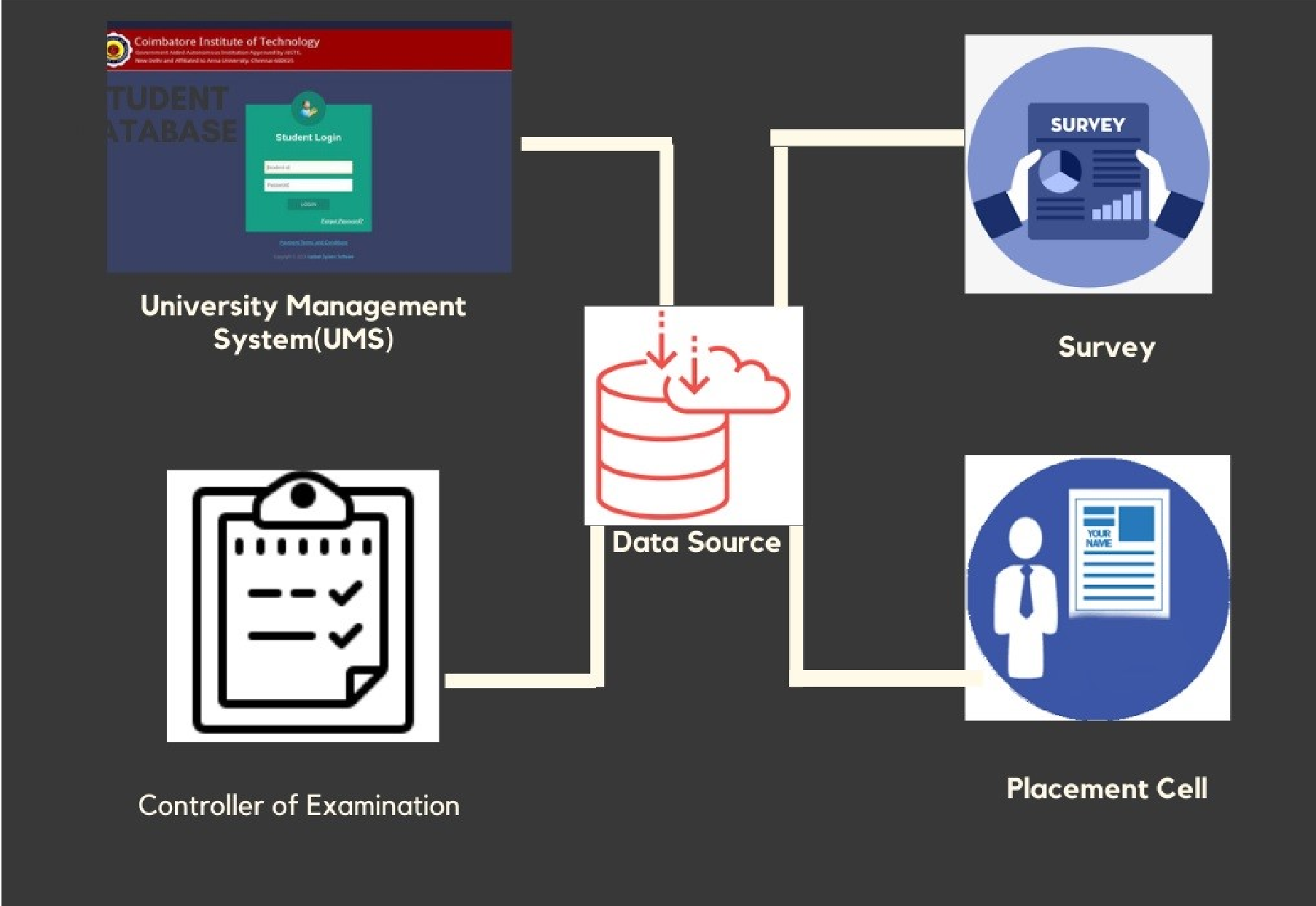
Success is predicted by aggregating data from four distinct silos:
- UMS (University Management System): Demographics and attendance.
- CoE (Controller of Examinations): GPA, individual course grades, and project marks.
- Placement Cell: Internship history, mini-projects, and working skills.
- Survey Forms: Psychological factors like stress, motivation, and self-learning hours (NPTEL, Hackathons).
The Model Architecture
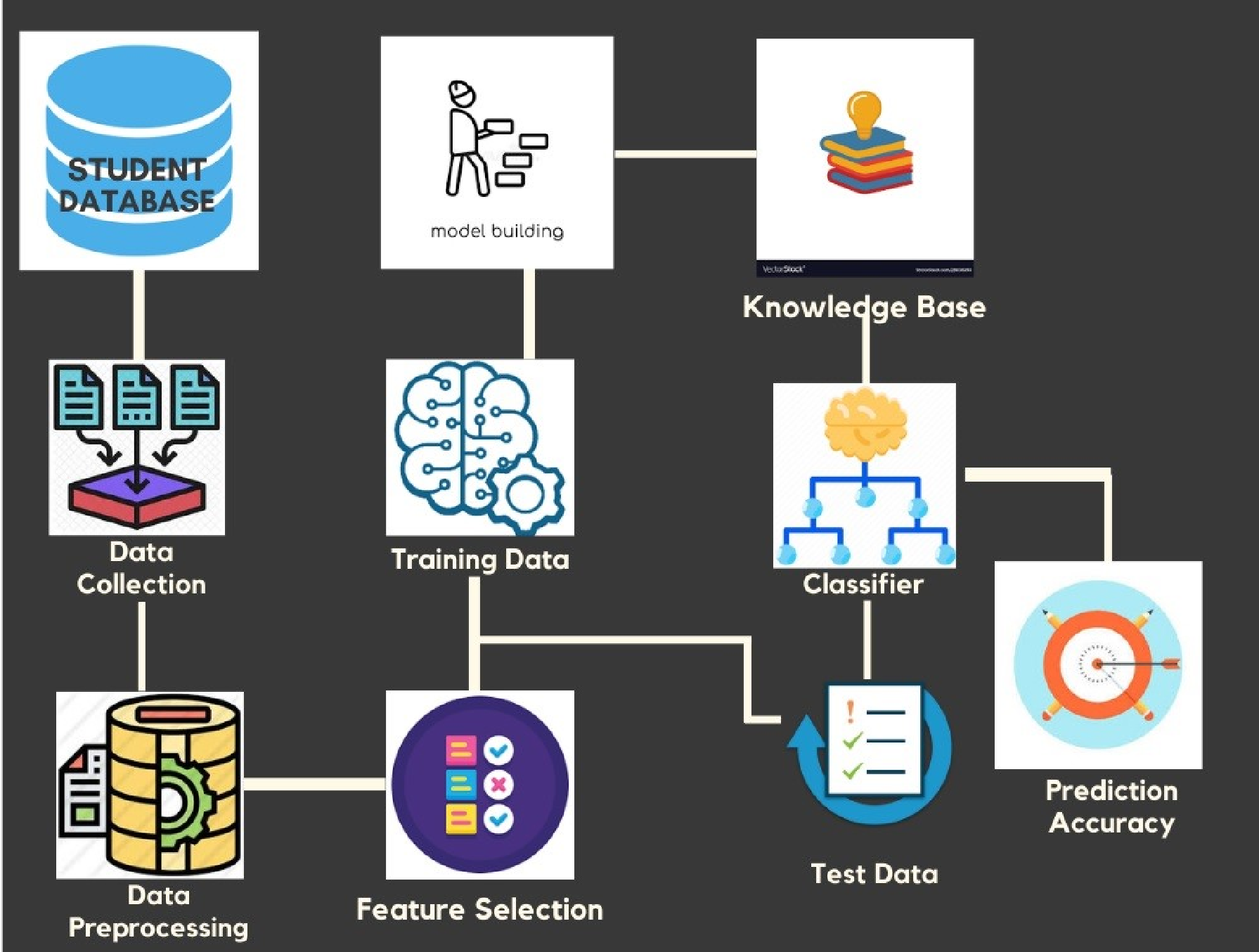
The authors emphasize a workflow starting from Data Staging and Preprocessing (cleansing noisy data) to feature selection. They focus on three primary classification algorithms:
- Decision Trees: Used for their interpretability and ability to handle categorical variables.
- Random Forest: Employed to improve accuracy through ensemble learning.
- Support Vector Machines (SVM): Utilized for high-dimensional feature spaces.
Strategic Outcomes: Evaluating Success
The system doesn't just output a "Pass/Fail" binary. It categorizes students into actionable tiers:
- Academic Success: Low, Average, or High (allowing for targeted training programs).
- Placement Success: Dream (High CTC/Prestige), Core (Field-specific), or Non-core tiers.
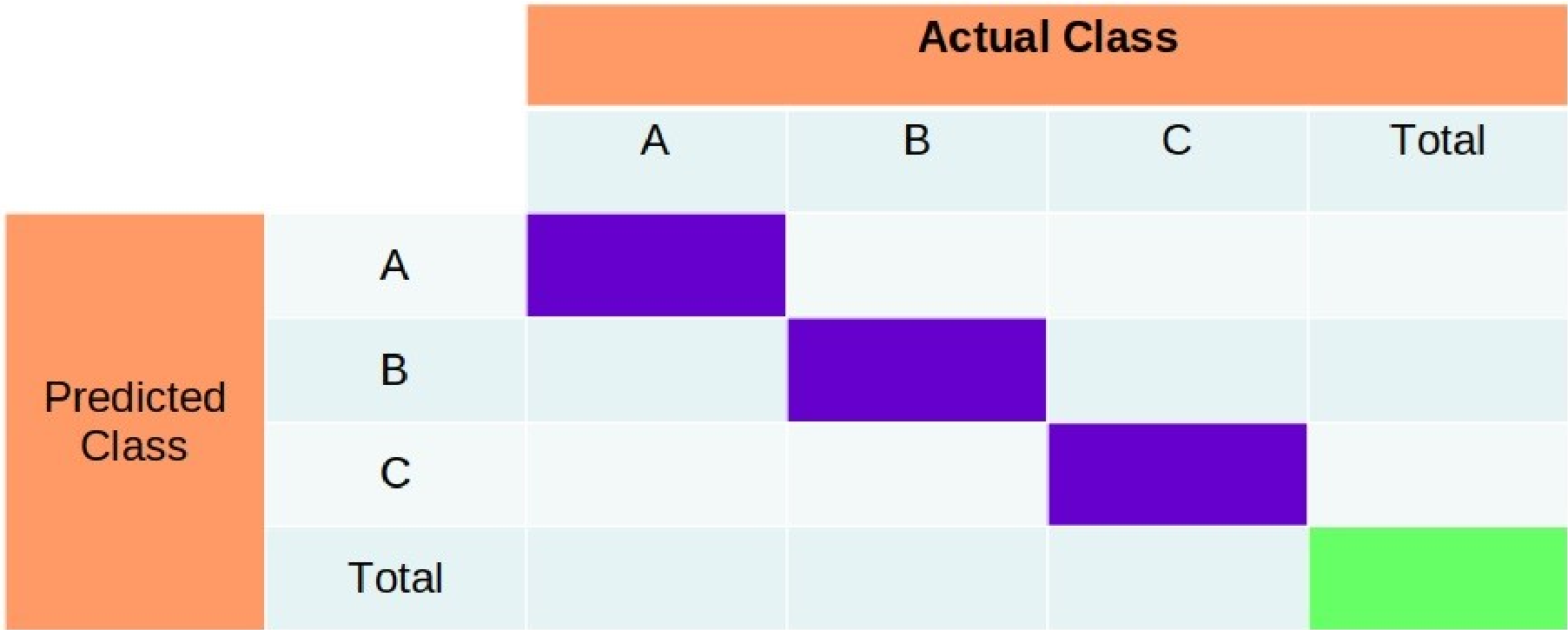
The performance of these models is evaluated using a Confusion Matrix, measuring not just raw accuracy, but also Recall (ensuring no at-risk student is missed) and Precision (ensuring interventions are targeted correctly).
Critical Deep Dive
One of the paper's most salient points is the mention of Attendance and Psychological State. In the literature review provided, the authors note that attendance is often the most significant contributing attribute to exam performance. By including these "soft" variables alongside "hard" data like GPA, the model builds a more resilient representation of the student.
Potential Limitations
- Cold Start Problem: How does the system predict success for first-year students with no institutional history?
- Data Privacy: The paper relies on psychological surveys from tutors; the ethical extraction and storage of such sensitive data remain a concern.
Conclusion and Future Outlook
This research provides a blueprint for an Early Warning System (EWS). By shifting the focus from historical reporting to predictive analytics, educational institutions can transform from passive scorekeepers into active mentors. The next logical step for this technology is its application to staff performance evaluation and the integration of automated appraisal systems based on diverse student-staff interaction metrics.