
Who Should Control the Click? Managing Online Channels Under Different Supply Chain Leaderships
Managing Online Channel and Optimization in Supply Chain Systems With Different Channel Leaderships
This paper investigates online channel management and pricing strategies in supply chains featuring both manufacturer-led and retailer-led structures. It introduces various dual-channel configurations and proves that a "Spanning Two-Part Tariff" or "Revenue Sharing" contract can successfully coordinate decentralized systems to achieve centralized-level efficiency.
TL;DR
In the modern retail landscape, the battle for digital dominance isn't just about presence; it's about power. This paper explores whether the "Channel Leader" (the one with the bargaining upper hand) or the "Channel Owner" (the one running the website) matters more for profits and consumer prices. Surprisingly, it finds that consumers don't care who is the boss of the supply chain—they only care about who owns the online storefront.
Background: The Dual-Channel Dilemma
From Apple selling through Target to manufacturers like Gree opening e-shops alongside physical retailers like Gome, the "Dual-Channel" model is ubiquitous. However, leadership shift is constant. While a tech giant like Apple leads its chain, a massive retailer like Walmart often dictates terms to its suppliers.
The researchers identified a critical gap: does it matter if the manufacturer or the retailer opens the online channel? And how does the "Stackelberg Leadership" (the first-mover advantage in decision-making) interact with this digital expansion?
Methodology: Gaming the System
The authors constructed a rigorous mathematical framework analyzing six distinct scenarios:
- Retailer-Led Models (RST, RDM, RDR): Where the retailer sets the pace.
- Manufacturer-Led Models (MST, MDM, MDR): Where the supplier holds the power.
- Centralized Benchmark (CD): The idealized "perfect" coordination scenario.
The model uses a linear demand function where consumer loyalty () to traditional channels plays a pivotal role.
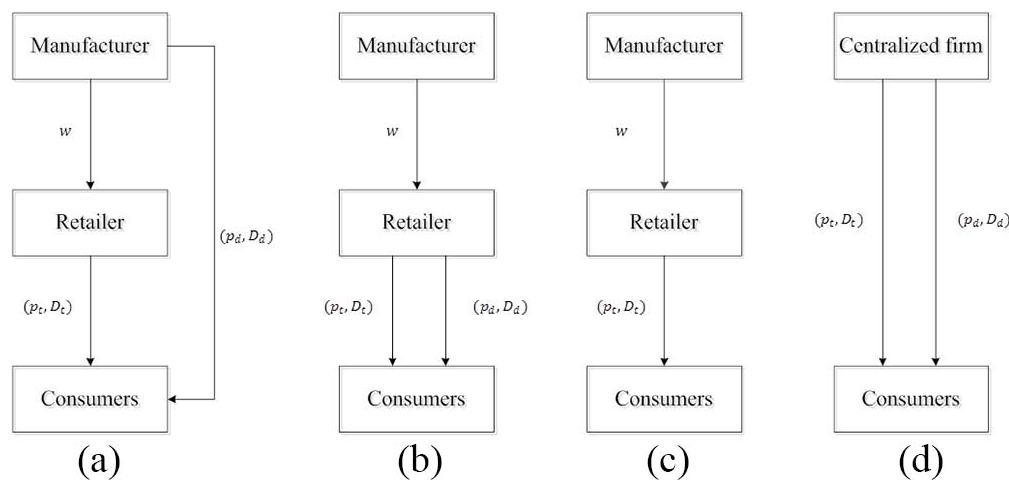 Figure 1: Comparison of traditional vs. dual-channel structures under varying ownership.
Key Insights: Power vs. Ownership
1. The Wholesale Price Paradox
One of the most counter-intuitive findings is that a dual-channel structure allows the manufacturer to charge a higher wholesale price, regardless of who leads the channel or who owns the website. The presence of an online option fundamentally shifts the bargaining leverage in favor of the upstream supplier.
2. Consumer Indifference to Leadership
From a consumer's perspective, whether the manufacturer or the retailer "leads" the negotiation is irrelevant. The retail price is primarily driven by who establishes the online channel. If the manufacturer establishes it, prices tend to be lower (benefiting consumers); if the retailer owns both, the lack of inter-channel competition leads to higher prices.
3. The Winner's Strategy
For retailers, the "Best Choice" is always to adopt the dual-channel model and establish the online channel themselves (RDR model). Interestingly, the retailer actually fares better in a traditional single-channel setup than in a dual-channel setup where the manufacturer controls the online sales.
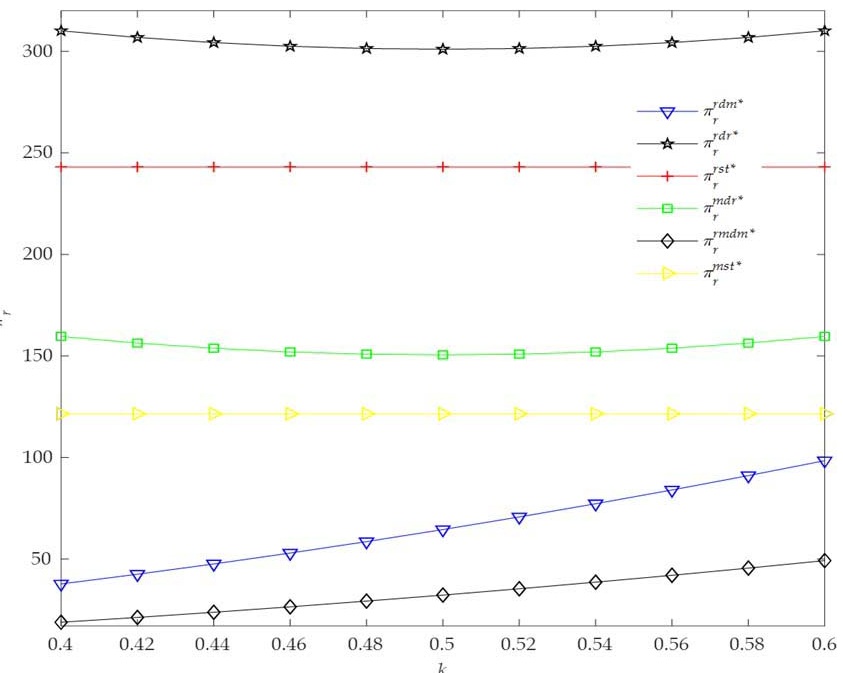 Figure 2: Profit dynamics of Manufacturers and Retailers relative to consumer traditional-channel preference ().
Coordination: Bridging the Gap
Decentralized supply chains often suffer from "Double Marginalization"—where both parties add a markup, leading to higher prices and lower total system profits. The authors propose two powerful contracting tools:
- Spanning Two-Part Tariff (STPT): A fixed license fee combined with a variable wholesale price.
- Revenue Sharing (RS): A percentage-based split of total revenue.
The experimental data shows that these contracts can boost total system efficiency by over 30%, effectively aligning the goals of the manufacturer and retailer with the centralized ideal.
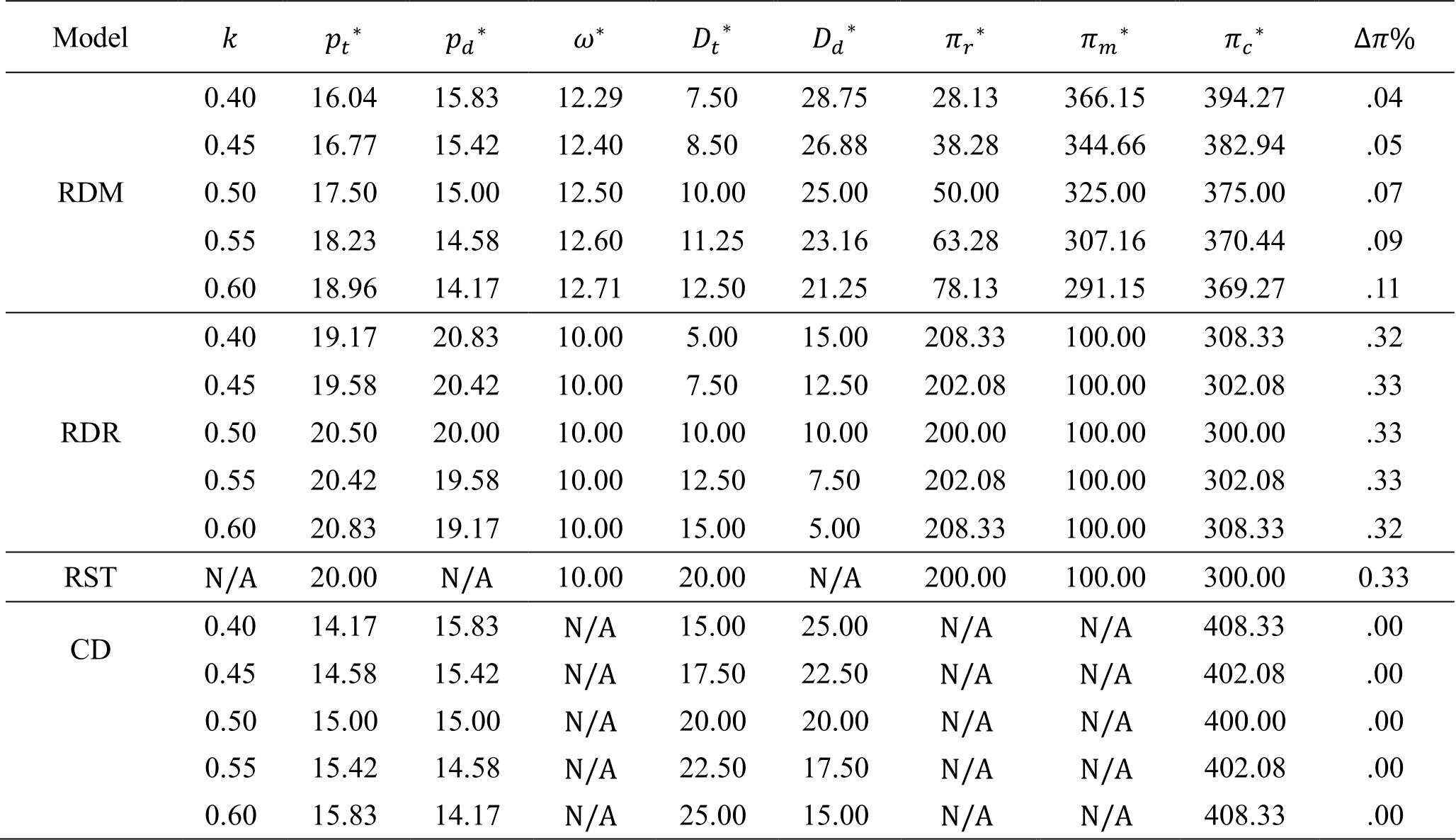 Table 1: Performance metrics showing the efficiency gains from coordination.
Conclusion and Strategic Takeaways
The research provides a clear roadmap for supply chain managers:
- Retailers: Aim for digital ownership. Even if you are the "leader" in terms of size, letting the manufacturer control the online channel will cannibalize your traditional profits significantly.
- Manufacturers: Establishing an online channel is the ultimate profit booster, as it provides a direct line to consumers and forces higher wholesale prices onto the retailer.
- Policy Perspective: Manufacturer-run online shops are generally better for the public, as they drive down price equilibrium.
While the models assume symmetric information and linear demand, they provide a foundational logic for why some companies thrive in dual-channel environments while others, like Dell in 2006, struggle when adding resellers to a previously pure-direct model.