
Marketing Intelligence & Automation: Engineering the Future of Tourism
Marketing Intelligence and Automation – An Approach Associated with Tourism in Order to Obtain Economic Benefits for a Region
The paper proposes a methodological framework for a Marketing Intelligence and Automation (MIA) system tailored for the tourism and hospitality sector. It integrates Data Warehousing, Big Data analytics, and Machine Learning to automate personalized digital marketing campaigns and optimize economic benefits for regional stakeholders.
TL;DR
This research presents a robust methodological framework for a Marketing Intelligence Automation (MIA) system designed for the tourism and hospitality sectors. By bridging the gap between Big Data accumulation and campaign execution through Data Warehousing and Machine Learning, the authors provide a roadmap for organizations to achieve a deeper "360º customer view" and automate strategic decision-making to maximize regional economic impact.
The Digital Shift: Problem & Motivation
The tourism industry is currently navigating a paradox: while there is more consumer data available than ever before—with 78% of travelers searching online and 40% of purchases occurring digitally—most organizations struggle to convert this "noise" into actionable strategy.
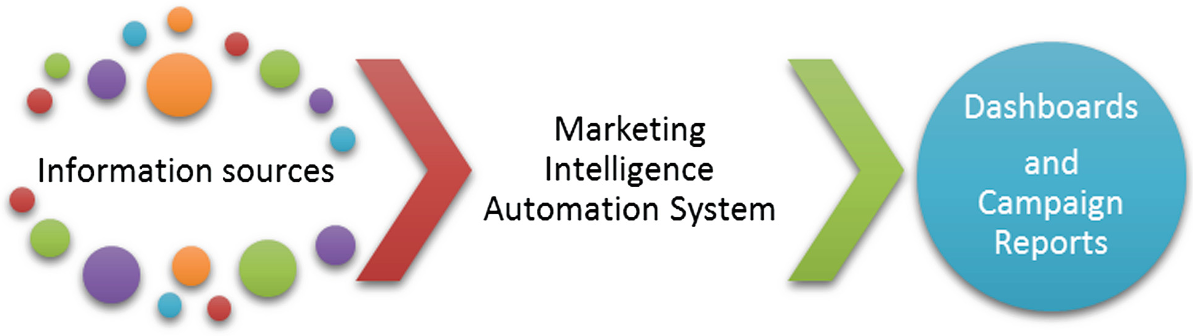
The authors identify a critical friction point: the disconnection between data collection and campaign execution. Traditional marketing units act reactively rather than predictively. To solve this, the research moves beyond simple digital marketing toward Marketing Intelligence, where automated systems consume Big Data to identify segments and preferences without manual intervention.
Methodology: The MIA Framework
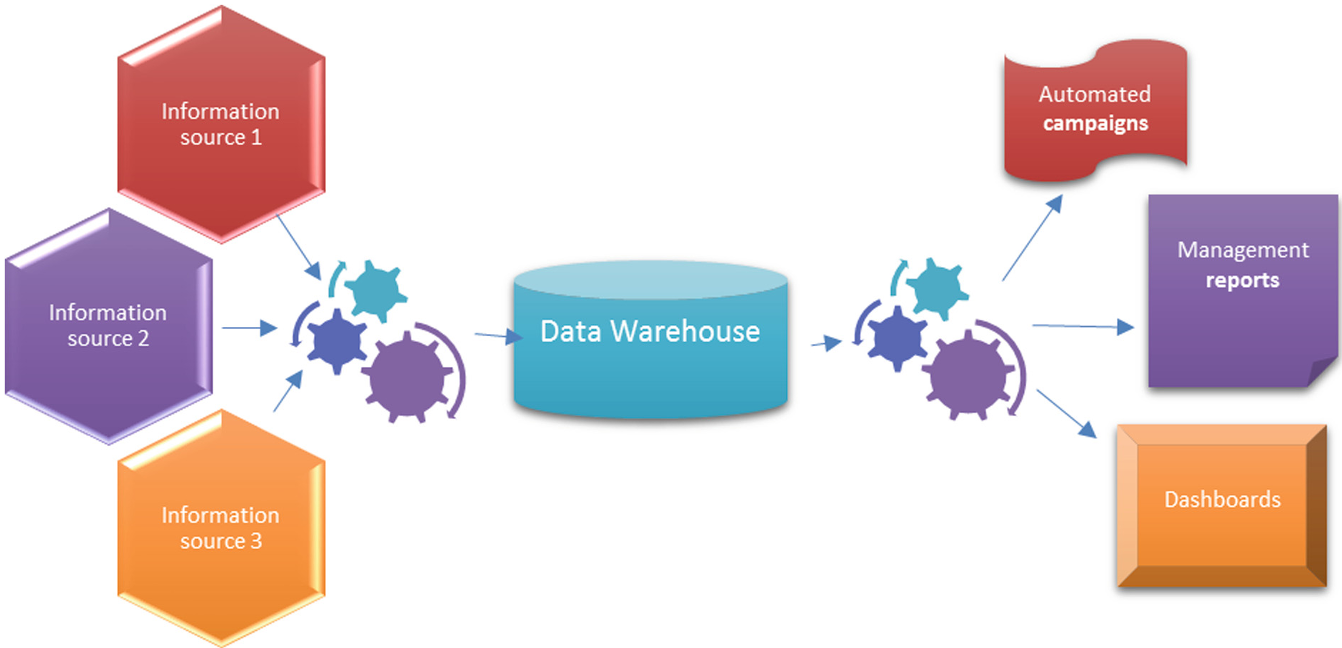
The paper proposes a structured three-phase pipeline to transform raw tourism data into economic value.
1. The Technological Architecture
The heartbeat of the system is the integration of diverse information sources—both internal (hotel databases) and external (social media, competitor pricing, Big Data). This data flows into a central Data Warehouse, which serves as the "single source of truth."
2. Intelligent Automation via Machine Learning
The framework leverages Machine Learning (ML) algorithms to perform data mining on historical information. The goal is to move from descriptive analytics (what happened?) to predictive and prescriptive analytics (what will happen and what should we do?).
- Clustering: For precise customer segmentation.
- Automation: Generating marketing plans based on the learning process.
- Optimization: Refining ROI and Customer Lifetime Value (LTV) through feedback loops.
Experiments & Core Insights
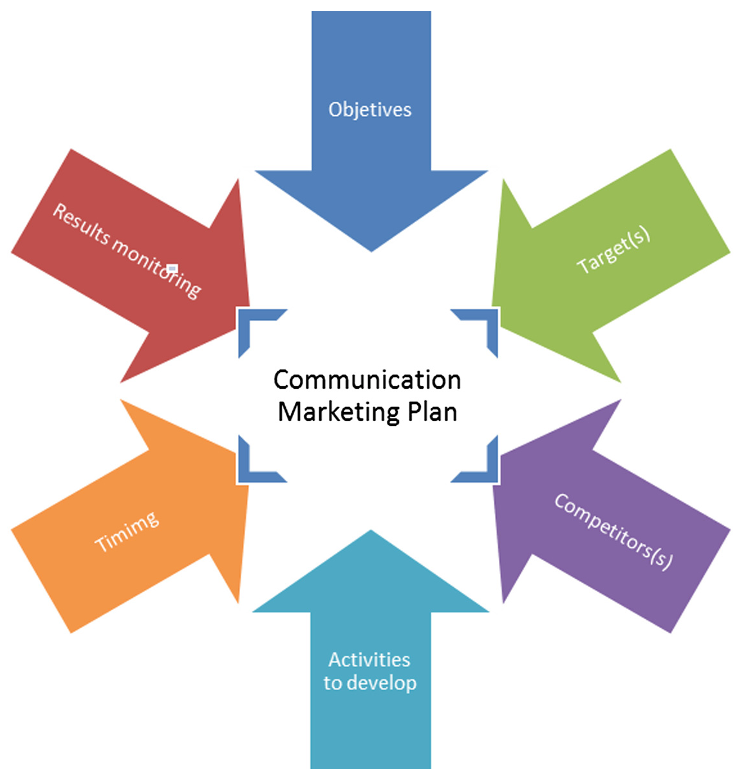
The research emphasizes that "intelligence" is not just about having data, but about the usability and integration of that data. The authors highlight five essential components for any intelligent campaign:
- 360º View: Consolidating every touchpoint a customer has with the brand.
- Multidimensional Modeling: Ensuring data consistency to prevent redundancy.
- Real-Time Processing: The ability to cross-reference thousands of inputs to capture "the right moment."
- User Experience (UX): A user-friendly dashboard for managers to interpret AI recommendations.
Critical Analysis & Conclusion
Takeaway
The value of this work lies in its holistic synthesis. It treats marketing not as a creative departmental task, but as a data-engineering challenge. For regional tourism boards and hotel chains, the MIA framework provides a clear path to utilize AI for sustainable competitive advantage.
Limitations & Future Work
The proposed framework is highly conceptual and architectural. While it defines what needs to be built, the specific choice of ML algorithms (e.g., Deep Learning vs. Random Forests) and the challenges of data privacy (GDPR) and interoperability between legacy hotel systems remain areas for further empirical exploration. The next frontier will likely involve integrating Large Language Models (LLMs) to automate the actual creative content of these campaigns alongside the underlying data logic.
Keywords: Digital Marketing, Marketing Intelligence, Big Data, Tourism Automation, Machine Learning.