
From Digital Natives to Platform Generations: The Fragmentation of Collective Identity
Media, Generations, and the Platform Society
The paper "Media, Generations, and the Platform Society" explores how the transition from mass media to a platform-based ecosystem reshapes generational identity. It synthesizes Mannheim’s classic theory with the "Platform Society" framework to analyze how Gen Z and Millennials navigate "networked individualism" and algorithmic programmability.
TL;DR
The concept of a "generation" is being radicalized by the shift from mass media to the "Platform Society." While digital connectivity was once thought to create a "Global Generation," authors Piermarco Aroldi and Fausto Colombo argue that the combination of networked individualism and algorithmic programmability is actually fragmenting the generational experience into fleeting, personalized niches—unless global political agency can bridge the gap.
The Problem: Beyond the "Digital Native" Myth
For years, the term "Digital Native" served as a convenient shorthand for anyone born into the internet age. However, this academic work argues that such labels are reductionist. The challenge isn't just about using technology; it's about how the structural logic of platforms (like Meta, TikTok, and Alphabet) fundamentally changes "generationing"—the process by which an age cohort develops a conscious "common destiny" or a "we-sense."
Current media systems are no longer a shared hearth (like the TV era) but a personalized feed. This creates a paradox: we are more connected than ever but share fewer universal cultural "hooks" than our parents did.
Methodology: The Architecture of the Platform Society
The authors anchor their analysis in the shift from the "Mass Mediascape" to the "Platform Mediascape." They define this new ecosystem through three pillars:
- Mobile Ubiquity: Terminals (smartphones) as bodily extensions.
- Platform Centrality: Algorithmic management of all social interaction.
- Convergence: Legacy media (films, news) being sucked into the platform logic.
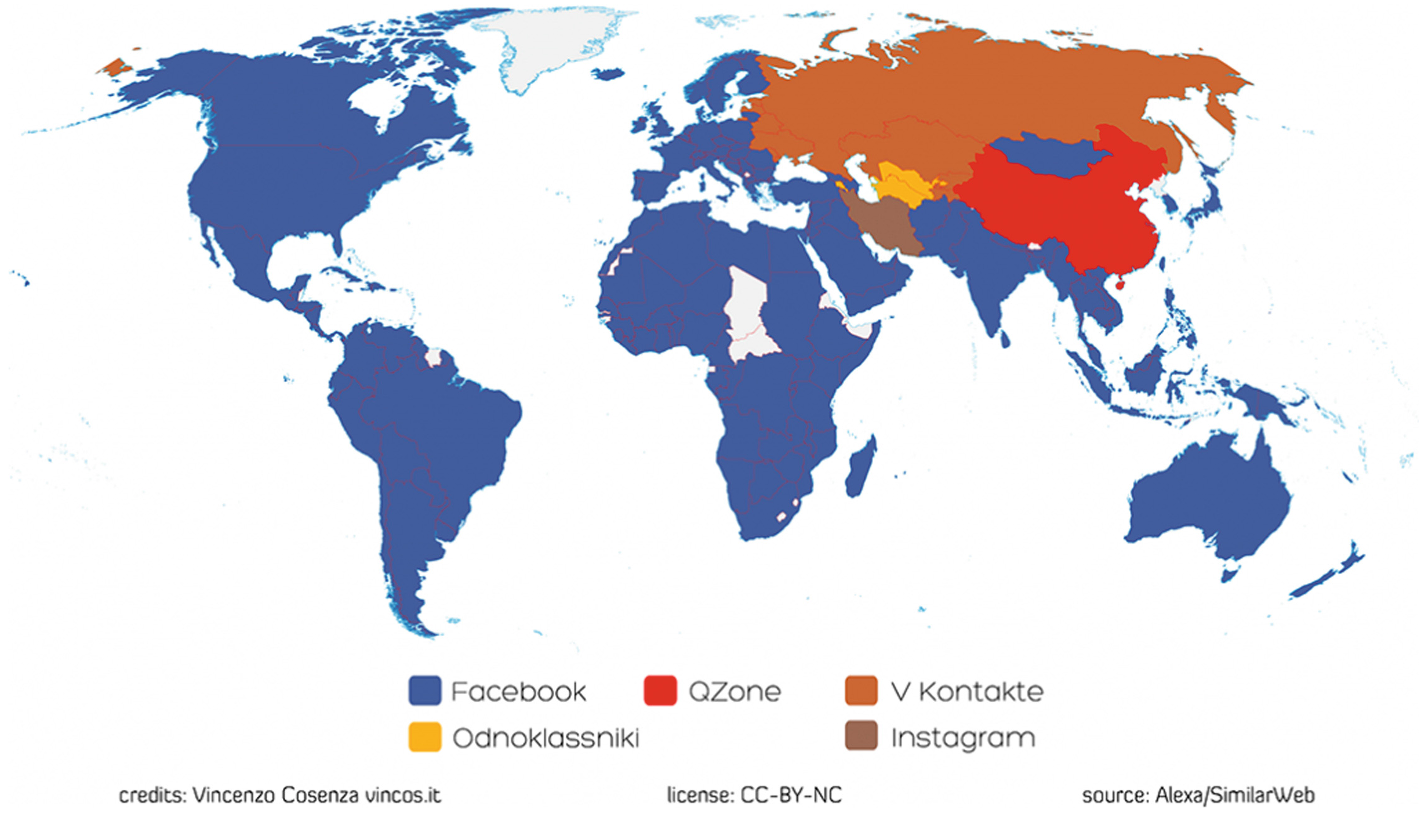 Note: As shown in the data, platform preferences are highly age-stratified, which leads to "generational typecasting" of specific apps.
The "Networked Individualism" Discontinuity
Drawing on the work of Rainie and Wellman, the authors highlight that the internet didn't create a global village so much as it empowered the "Networked Individual." We no longer depend on stable community groups (family, church, trade unions). Instead, we bridge multiple, non-contiguous circles. This weakens the "strong shared identities" traditionally required to form a social generation.
The Core Insight: Memory and Programmability
One of the paper's most profound insights involves Collective Memory. In the analog era, memory was a shared repertoire because of "scarcity"—everyone watched the same moon landing on a black-and-white TV.
In the platform era:
- Memory is Outsourced: Social media archives externalize our past, but this "memory" is at the mercy of platform liquidity (content disappearing) and geopolitical firewalls.
- Programmability: Algorithms act as "drivers of access." They decide which parts of our cultural past are surfaced. If an algorithm filters your world into a "niche," you may never share a cultural moment with a peer outside your bubble, preventing the formation of a unified generational "habitus."
Results: Fragmentation vs. Global Agency
The authors observe a "pulverization of audiences." Since content is abundant and customized, finding a "typical generational content" (the Star Wars or Woodstock of Gen Z) becomes increasingly difficult.
However, they identify a vital "Endogenous Force": Unified Agency. Despite the fragmentation caused by platforms, young people are reuniting through global issues—specifically climate change and inequality. The "Fridays for Future" movement is cited as a prime example where youth use platform literacy to bypass traditional media "bottlenecks," reclaiming a shared voice that technology alone could not provide.
Critical Analysis & Takeaways
The paper successfully moves the debate from "what technology do kids use?" to "how does the platform economy reshape the human experience of time and community?"
Key Limitations:
- The paper notes that platform life cycles are getting shorter. A generation could be split into "Instagram cohorts" vs. "TikTok cohorts" within just a few years difference, making the "Generation Z" label itself too broad.
- Geopolitical constraints (like the "Splinternet") mean that a "Global Generation" remains more of a marketing concept than a social reality.
Conclusion: The future of generations depends on a tug-of-war. On one side, platforms and their algorithms push us toward fragmented, data-mined individualism. On the other, the urgent reality of global crises pulls the youth back into the "streets and squares," forcing a new kind of collective identity that is both digitally mediated and physically grounded.