
Virtual Oceans: Transforming Hospital Corridors into Healing Digital Sanctuaries
Medical Art Therapy of the Future: Building an Interactive Virtual Underwater World in a Children’s Hospital
The paper presents an interactive virtual underwater world designed for pediatric hospitals to reduce stress and boredom in children. Utilizing agent-based systems (Artificial Life) and motion-sensing (Kinect), the system allows children to interact with procedurally generated sea creatures through body gestures.
TL;DR
Researchers have developed an interactive underwater world that turns hospital walls into responsive digital aquariums. By blending Artificial Life physics with motion-sensing technology, this system provides children with a "digital comfort zone" that reduces the trauma of hospitalization through evidence-based aesthetic design and intuitive play.
Problem: The "Cold" Reality of Pediatric Wards
Hospitalization is often a traumatic setback for children. Beyond the physical illness, the environment itself—characterized by clinical aesthetics and social isolation—contributes to stress, aggression, or withdrawal.
While Art Therapy is a proven solution, it faces a scalability bottleneck:
- Resource Heavy: High-quality therapy requires 1-on-1 human interaction.
- Infection Risks: Children in oncology or isolation cannot always interact with shared physical toys or therapists.
- Functional Design: Traditional hospital architecture prioritizes efficiency over emotional well-being.
Methodology: Breathing Life into Pixels
The authors propose a "Smart Health" solution that uses Procedural Generation and Autonomous Agents to create an infinitely varying underwater world.
1. The Physics of Calm
Using the Box2D physics engine, the system simulates fluid dynamics. Every seaweed and jellyfish is a collection of particles and joints.
- GROW Behavior: Plants use inverse gravity to sway upwards.
- Fluid Resistance: Every movement includes drag, ensuring the world feels "underwater" rather than "in outer space."
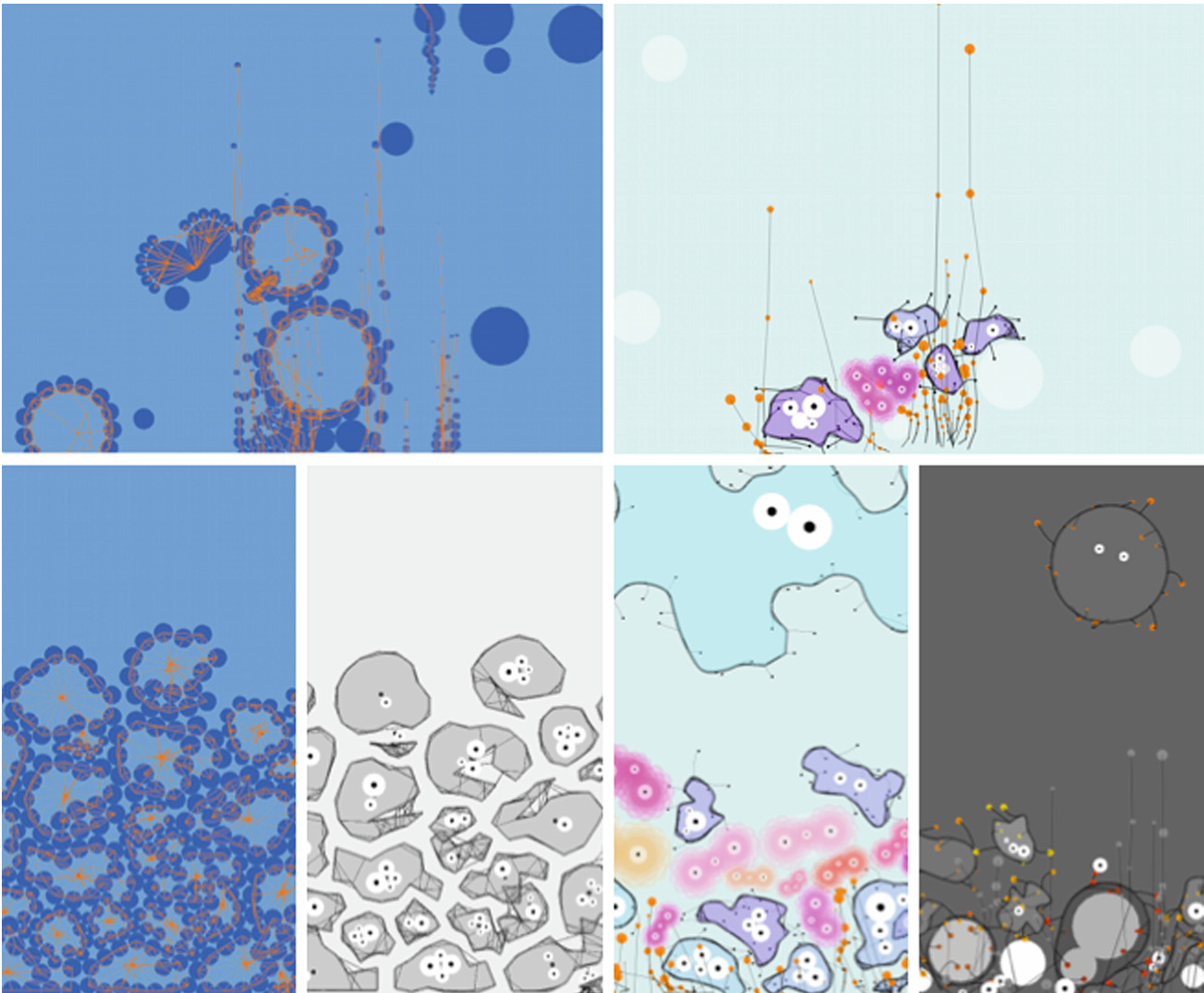 Figure 1: The underlying skeleton structures and joint-based physics of the virtual agents.
2. Evidence-Based Interaction
The authors didn't just pick "fish" because they are pretty. They utilized Evidence-Based Design (EBD):
- Nature Preference: Research shows children prefer waterscapes and wildlife over abstract art.
- Implicit Interaction: Using a Kinect camera, children see their own silhouettes. They can "catch" bubbles or "sweep" fish away with hand gestures, providing a sense of agency (control) in an environment where they usually have none.
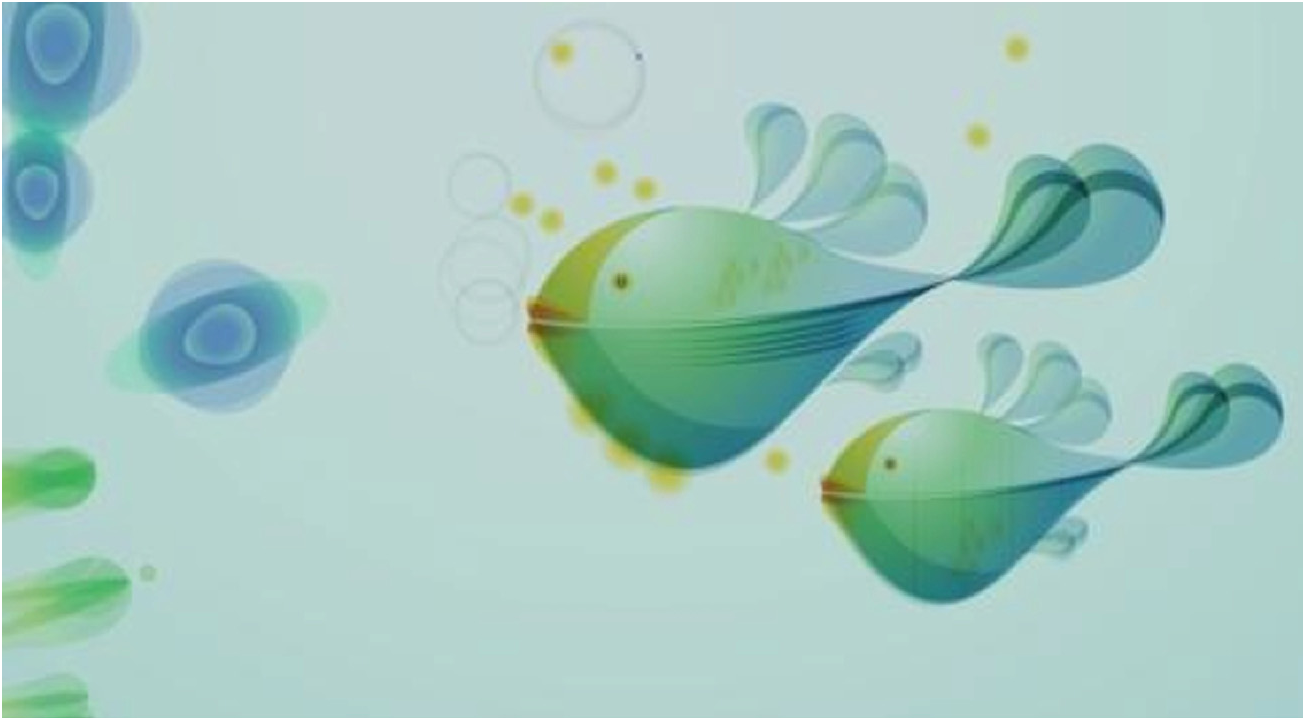 Figure 2: Procedural artwork blocks used to assemble diverse sea life.
Experiments & Real-World Results
The system was tested at the University Hospital Leuven across two major trials involving children aged 2 to 16.
- Inclusive Design: A critical iteration allowed the system to recognize children in wheelchairs, ensuring that the most mobility-impaired patients weren't excluded.
- Behavioral Observations: Children used the screen as a social catalyst, calling their parents to watch, or performing "peekaboo" with the camera sensors.
- Peer Learning: In waiting rooms, children observed others playing, which reduced their own anxiety through "passive distraction."
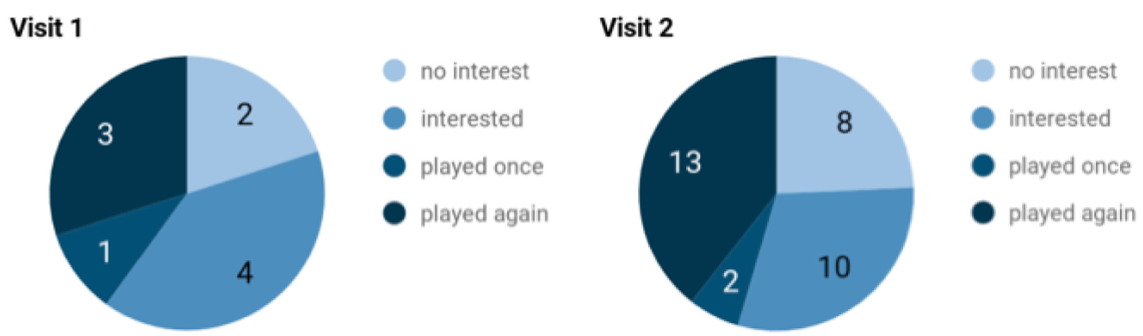 Figure 3: Iterative improvements allowed the system to track hand gestures of children in wheelchairs.
Critical Analysis & Conclusion
This project moves beyond "gaming" and into "environmental intervention." Its brilliance lies in its simplicity and autonomy. Unlike a VR headset, which isolates a child further, a wall projection creates a shared space for families and staff.
Limitations
- Hardware Reliability: The Kinect 360 sensor can be temperamental under certain lighting conditions.
- Shyness: The study noted that teenagers were more hesitant to play in public spaces compared to younger children.
Future Outlook
The project is evolving into the STORY TABLE initiative, where these sea creatures will become "Affective Agents"—virtual friends that can talk to children about their upcoming surgeries, effectively moving from a tool for distraction to a tool for medical empowerment.