
MEK: Bridging the Gap Between Physical Proximity and Digital Wisdom
MEK: Using spatial–temporal information to improve social networks and knowledge dissemination
The paper introduces Mobile Exchange of Knowledge (MEK), a distributed P2P framework for proactive knowledge dissemination using mobile devices. Leveraging spatial-temporal information, MEK enables transparent data exchange and social network strengthening without requiring centralized knowledge bases or constant user interaction.
TL;DR
Researchers have developed MEK (Mobile Exchange of Knowledge), a system that transforms your smartphone into a proactive knowledge seeder. By using Bluetooth and P2P technology, MEK identifies people nearby with shared interests and exchanges "bits of knowledge" (hyperlinks, files, ideas) automatically, turning idle wait times into productive learning opportunities.
Background: The Critique of Centralized Knowledge
Most knowledge management systems are "digital libraries" that sit waiting for a query. The authors argue this is fundamentally at odds with how humans actually learn and socialize. We are "islands of knowledge," and the current centralized approach ignores the sociability and distribution essential for knowledge creation.
The Problem: Lost Interaction Opportunities
Think about your daily commute. You pass hundreds of people on the bus or in the hallway. Some might have the answer to a technical problem you're facing; others might share your niche interest in 1960s cinema. Without a way to "ping" these passing nodes, that potential for interaction is lost forever.
Methodology: How MEK Works
At its core, MEK relies on an invisible network. The architecture is built on four pillars:
- Viewer: A JME-based interface for input and visualization.
- General Controller: Manages logic like categorization and chat.
- Request Controller: Monitors incoming P2P requests from nearby devices.
- Knowledge Center: Stores data in structured XML formats for high portability.
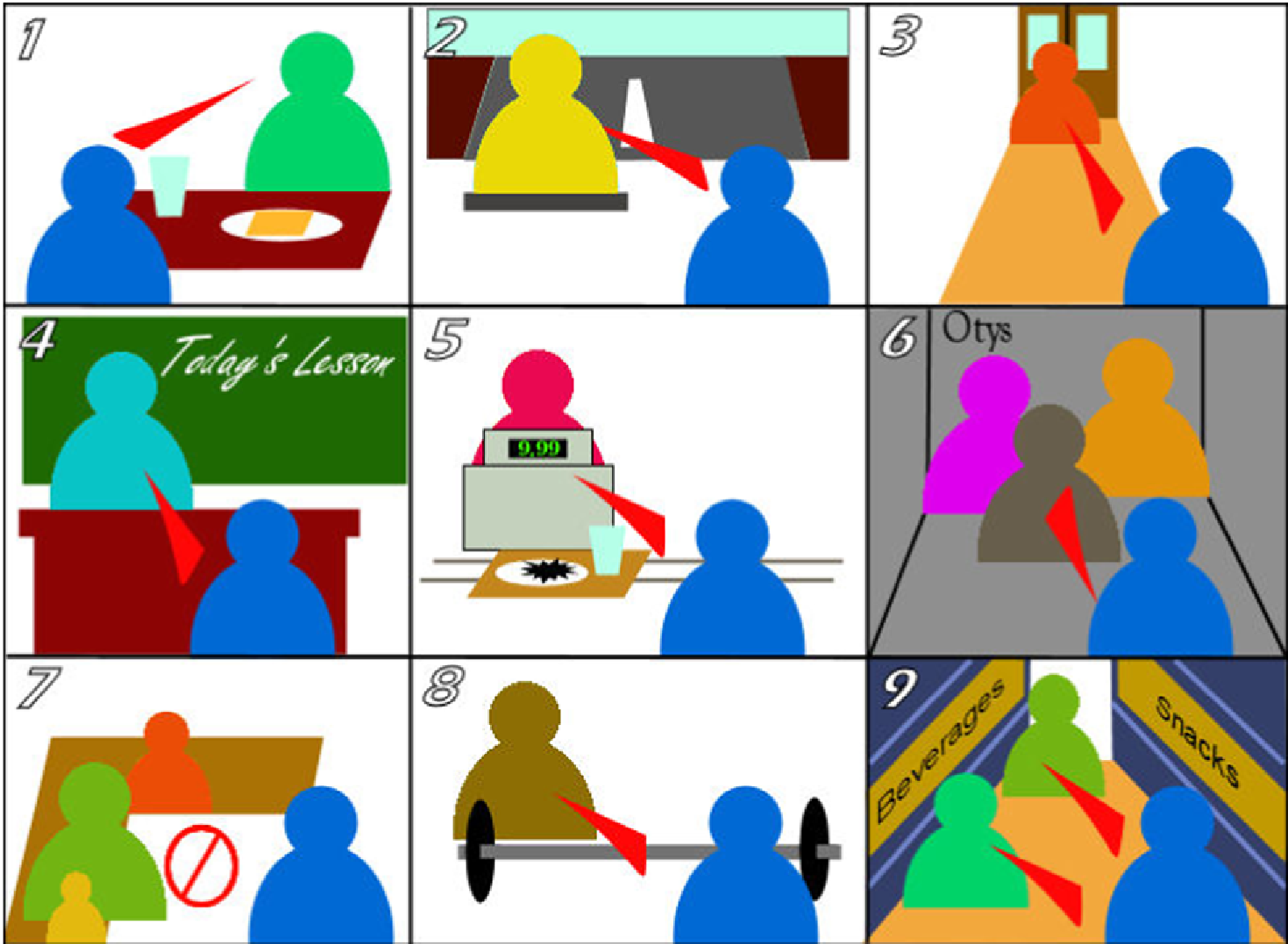 Figure 1: The proactive knowledge dissemination loop between users.
The system uses the CNPq Knowledge Areas (a national standard in Brazil) to categorize interests. When two MEK devices come within range (via Bluetooth), they perform a handshake, exchange XML-encoded interest profiles, and if a "Desire to Acquire" matches a "Willing to Supply," the data transfer happens transparently.
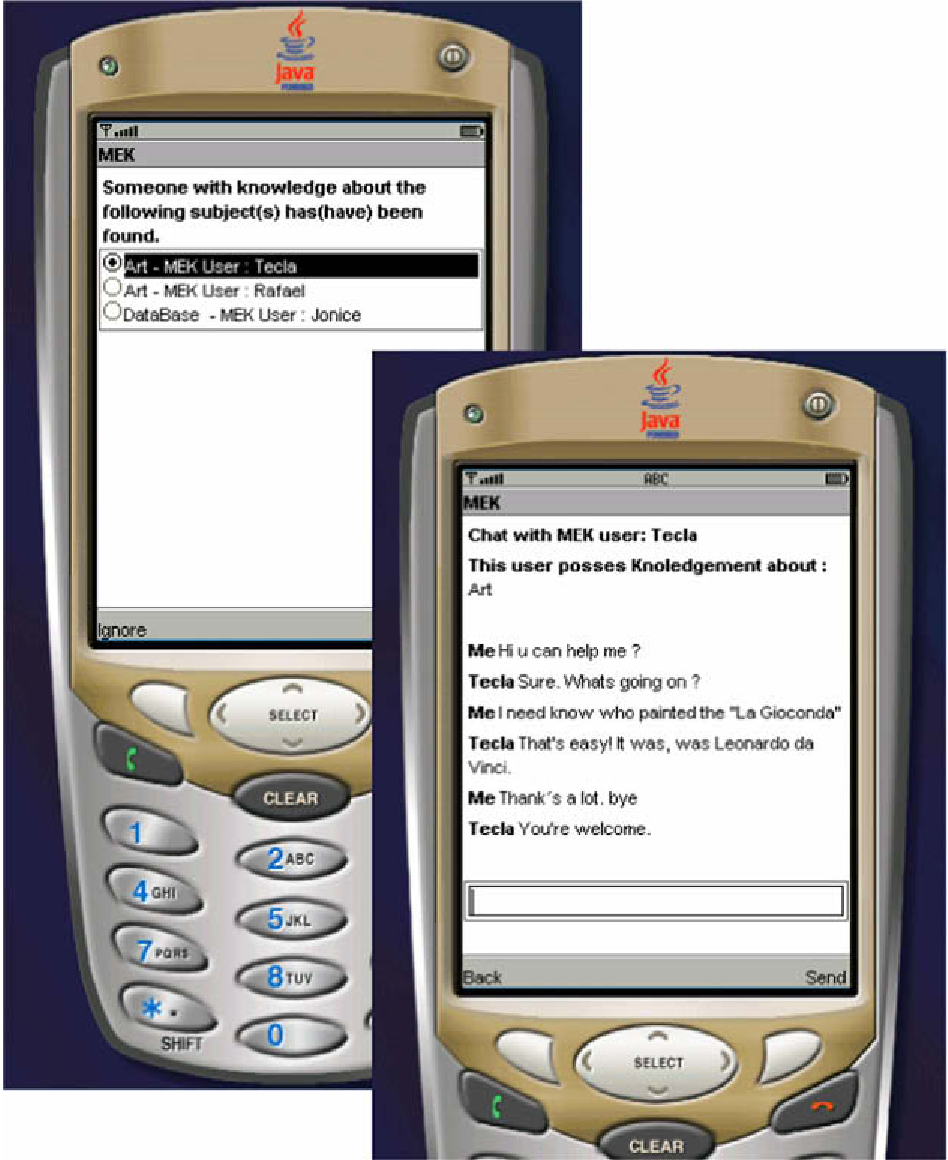 Figure 2: The internal module structure of the MEK system.
Experiments: Validating the "Idle Moments"
To prove this wasn't just theoretical, the team studied 169 students at the Federal University of Rio de Janeiro. They tracked movements and interests to see how many "missed connections" occurred.
The results were striking:
- High Density: Categories like IT, Science, and Literature had over 50 potential sharers in the same geographic vicinity.
- Lunch Hour Hubs: The campus cafeteria was identified as a prime location where dozens of students with identical interests sat within Bluetooth range but never spoke.
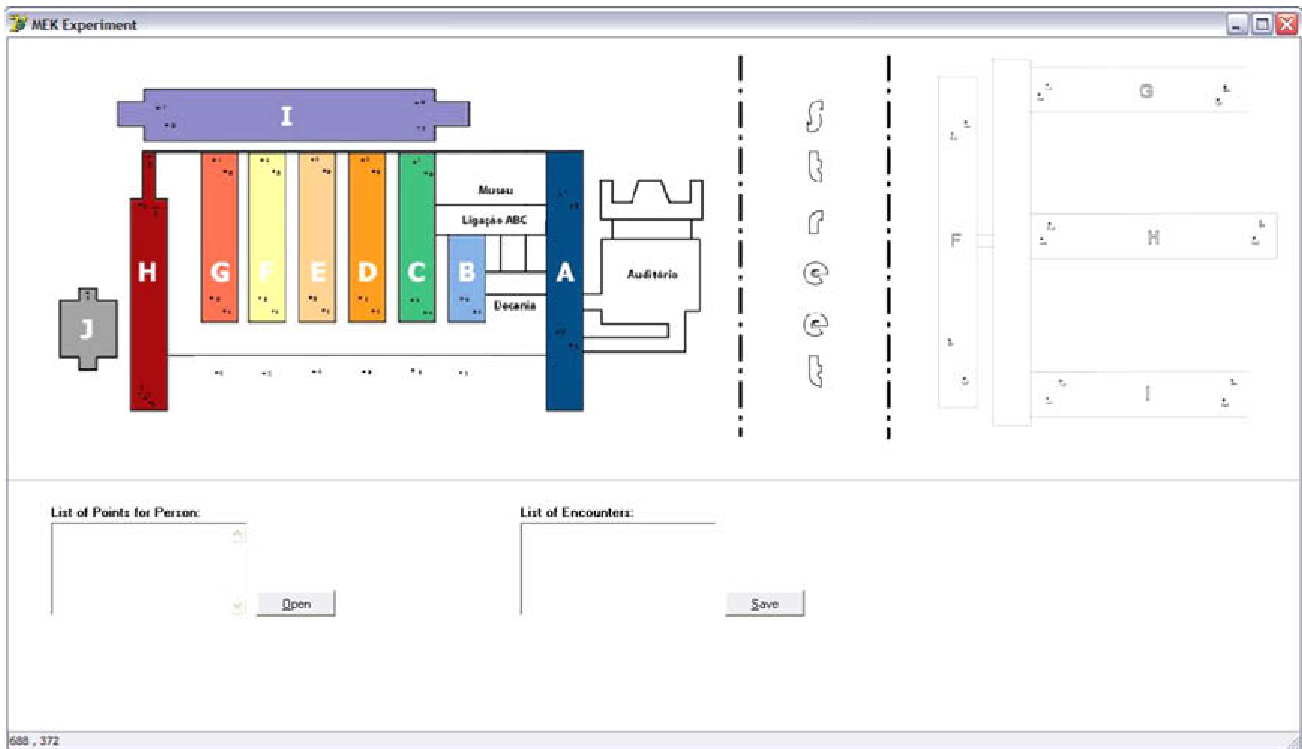 Figure 3: Mapping student movements and potential knowledge exchange points.
Critical Insight: Balancing Social Networks
The most profound contribution of MEK isn't just the file transfer; it's Social Network Balancing. By identifying "weak ties" (strangers with shared interests) and facilitating a low-friction interaction, MEK can strengthen the 1uindity of a network, preventing "focal points" (bottlenecks) and connecting isolated nodes.
Conclusion & Future Outlook
While the original implementation was constrained by Bluetooth's range (10-100m) and JME's limitations, the vision of SPACE x TIME x INTEREST remains highly relevant in our current era of 5G and ubiquitous AI. The authors suggest that future versions will focus on "Attention Management"—ensuring that the flow of incoming knowledge doesn't become overwhelming, but instead remains a "just-in-time" asset for the mobile nomad.
Takeaway: In the future, your phone won't just be a gateway to the internet; it will be a digital handshake that connects your mind to the physical world around you.