
The Menstruating Entrepreneur: How Design Broke a National Taboo in Taiwan
314_The Menstruating Entrepreneur Kickstarting a New Politics of Women's Health.
This research examines "The Formoonsa Cup" case in Taiwan, a design project that successfully legalized menstrual cups and challenged patriarchal health taboos through a blend of entrepreneurship and political activism. It identifies how platform technologies like crowdfunding and direct democracy (vTaiwan) were used to overturn restrictive medical classifications and reform women's health policy.
TL;DR
Can a silicone cup be a weapon for political revolution? This paper investigates the Formoonsa Cup, a Taiwanese design project that didn't just sell a product—it rewrote national laws. By blending feminist activism with neoliberal entrepreneurship, the creators navigated a complex landscape of "subjugated knowledge" to legalize menstrual cups and dismantle the "virginity myth" embedded in Taiwan’s medical regulations.
The Problem: When Policy Meets Patriarchy
In Taiwan, menstruation was historically viewed through a lens of "pollution" (traditional) and "disease" (medicalized). This ideology was codified in a 1990 mandate requiring tampons to be labeled with warnings for "unmarried women," implying that internal menstrual products posed a threat to a woman’s "purity"—specifically her hymen.
Because of these taboos, menstrual cups were classified as second-grade medical devices, making them effectively illegal for general sale. Women had to import them as if they were dangerous drugs, risking fines or imprisonment. Conventional HCI often focuses on the "usability" of health apps, but here, the core problem wasn't usability—it was political invisibility.
Methodology: Design as a "Foucauldian Critique"
The authors adopt a Critical Genealogy approach. They argue that women's self-care knowledge was "subjugated"—excluded from power because it was deemed "unintelligible" or "naïve" by the medical establishment.
The project succeeded by making this knowledge efficacious through two parallel agendas:
1. The Design Agenda: Reframing the Experience
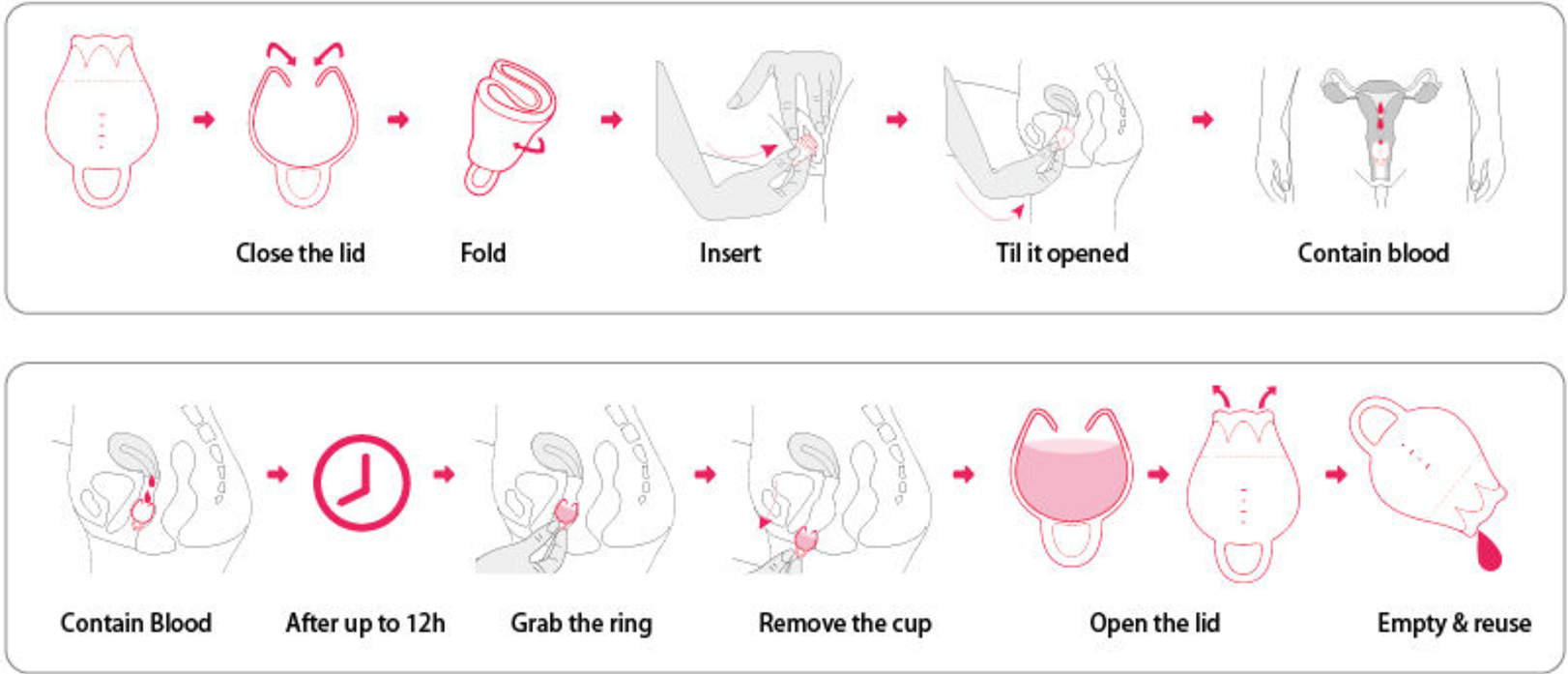
To overcome the "foreign body" (foreign body) taboo, the designer, Vanessa Tseng, used aesthetic and educational interventions:
- The Lily Shape: A non-threatening, "adorable" form factor to reduce fear.
- Aesthetics of Blood: Utilizing macrophotography to reframe menstrual blood as "beautiful" rather than "polluted."
- The Learning Cup: A smaller practice device to overcome the lack of anatomical education among Taiwanese women.
2. The Regulatory Agenda: Hacking the System
The team realized that feminist arguments alone might not move a conservative government. They pivoted to neoliberal tactics:
- Crowdfunding: Using Backer-Founder to prove massive market demand ($341k USD raised).
- Platform Activism: Leveraging vTaiwan and join.gov.tw to gather over 5,000 signatures, forcing the Ministry of Health to respond to the demand for reclassification.
Results: Beyond the Product
The result was a landmark victory. In 2017, menstrual cups were legalized for online sale in Taiwan.

- Quantitative Success: The campaign reached its funding goal by 300%.
- Linguistic Shift: The movement successfully pushed for a terminological shift from "Hymen" (implying a seal/membrane) to "Vaginal Corona" (an accurate anatomical term), stripping the tissue of its "virginity" baggage.
Critical Insights & Takeaways
This case study is a masterclass in Activist HCI. It demonstrates that "empowerment" is not just about a better UI; it is about:
- Materializing Subjugated Knowledge: Design can make "anecdotal" female experiences socially intelligible and politically powerful.
- Strategic Compromise: The project succeeded by framing radical feminist goals within "safe" neoliberal entrepreneurship.
- The Role of Platforms: Digital platforms (crowdfunding, e-democracy) are essential "intermediate spaces" where citizens can transform private experiences into public policy changes.
Limit: The authors wisely note a paradox—while the cup is a win for choice, it reinforces the "entrepreneurial citizen" myth, suggesting that women must "buy" their way into political visibility. For future HCI researchers, the challenge remains: how to design for health equity without requiring a successful Kickstarter campaign first.