
Metamodel Integration: The Glue Between IoT, Social Networks, and Industry 4.0
Metamodel for integration of Internet of Things, Social Networks, the Cloud and Industry 4.0
This paper proposes a comprehensive metamodel and a 5-layer architecture to integrate the Internet of Things (IoT), Social Networks, Cloud Computing, and Industry 4.0. It aims to bridge the gap between heterogeneous smart objects and industrial processes by leveraging Model-Driven Engineering (MDE) and validating the approach with a Raspberry Pi-based manufacturing monitoring prototype.
Executive Summary
In the rush toward Industry 4.0, the industry has faced a "Babel" problem: thousands of sensors and actuators speaking different languages. This paper introduces a metamodel-driven approach to integrate the Internet of Things (IoT) with the Cloud and Social Networks. By shifting focus from individual hardware to a structured, model-driven architecture, the authors provide a blueprint for a future where machines don't just execute tasks—they socialize and respond to dynamic environmental rules via a sophisticated 5-layer architecture.
The Interoperability Crisis in Industry 4.0
The fundamental motivation behind this research is the recognition that interoperability, not technology itself, is the primary bottleneck for the Industrial Internet of Things (IIoT). Existing manufacturing systems are often silos. When a new sensor is introduced, it rarely "talks" to the legacy database or the remote monitoring app without extensive custom coding. This work seeks to replace these ad-hoc integrations with a formal Metamodel that defines how objects, sensors, and rules interact across heterogeneous platforms.
Methodology: The 5-Layer Blueprint
The authors move beyond the classic 3-tier IoT model to a more robust 5-layer architecture designed specifically for industrial demands:
- Sensing Layer: The physical "hands and eyes" (RFID, NFC, Sensors).
- Databases Layer: A hybrid of physical (SQL/NoSQL) and virtual databases to decouple data from proprietary hardware.
- Network Layer: The connective tissue ensuring data flows between things and the cloud.
- Data Response Layer: The "brain" that provides automatic responses and persistent learning.
- User Layer: The API and Middleware layer where users interact via ERP systems or mobile apps.
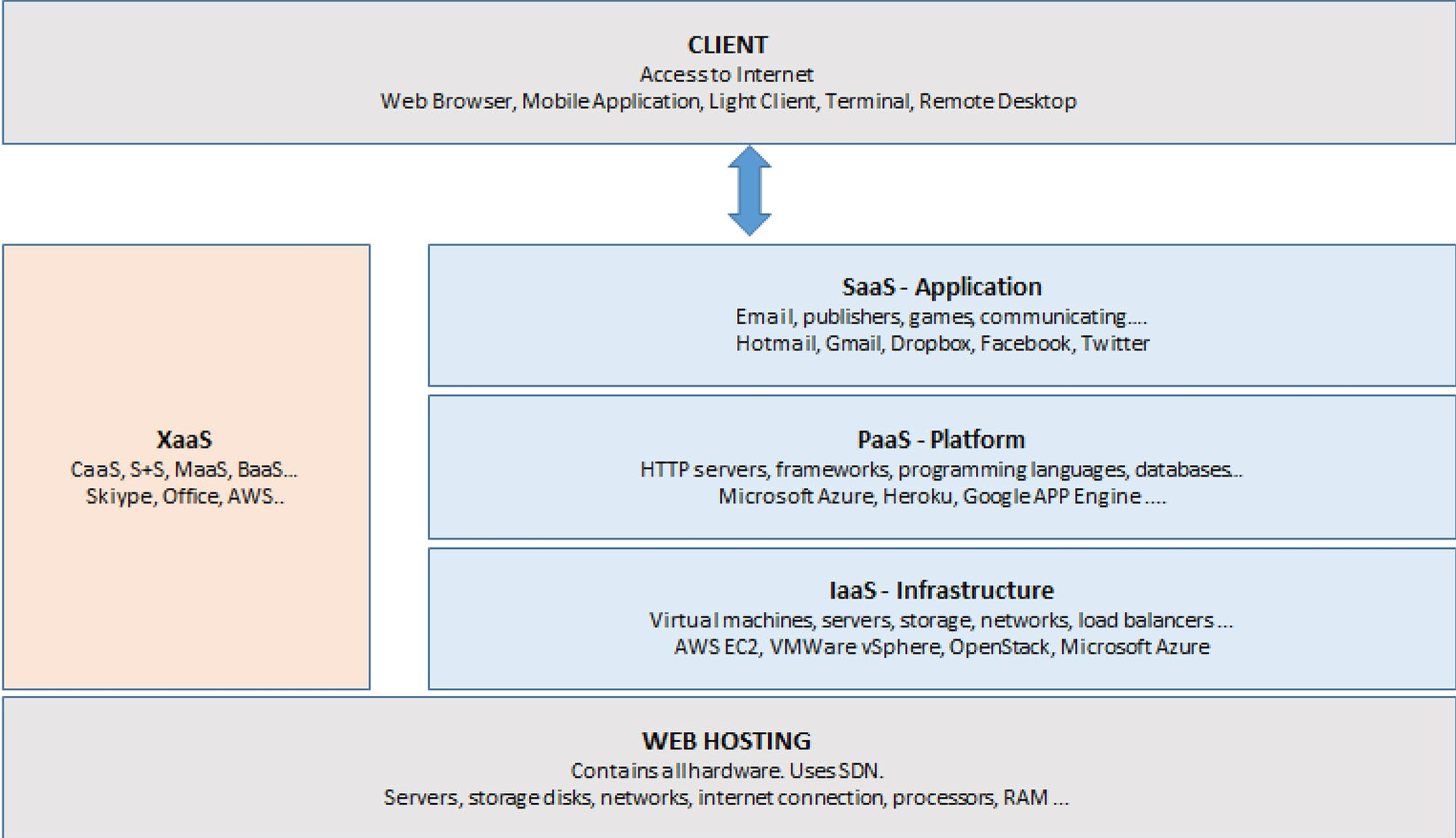 Comparative view of basic vs. proposed industrial architectures.
Logic-Driven Automation (MDA)
Using Model-Driven Architecture (MDA), the authors define "Rules" (e.g., if Gas Sensor > Threshold, then Activate Actuator). This allows a Raspberry Pi-based system to act as a Cyber-Physical System (CPS), making localized decisions while syncing critical state changes to the cloud.
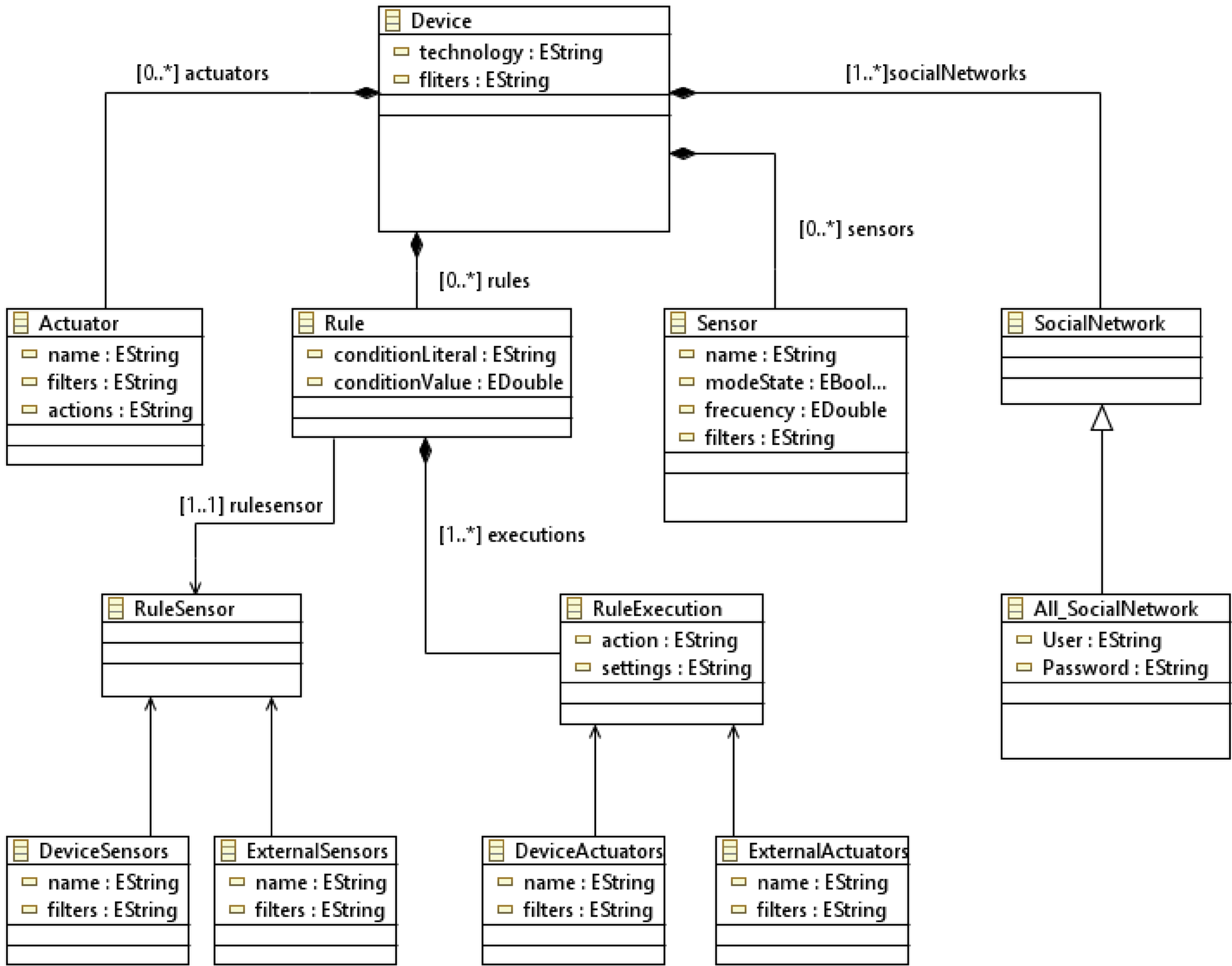 The proposed metamodel for integrating SIoT, Cloud, and Industry 4.0.
Experimental Results: The Ceramic Line Test
To prove the metamodel's value, the authors deployed a Raspberry Pi prototype in a ceramic production plant.
Key Findings:
- Context-Aware Monitoring: The system identified that some process "stops" flagged by legacy systems were actually scheduled quality checks or speed fluctuations, not mechanical failures.
- Parallel Efficiency: The prototype successfully monitored equipment stability in parallel with legacy hardware, providing a "safety net" that didn't interrupt existing production flows.
- Proactive Gas Detection: Real-time synchronization allowed the team to monitor methane and smoke levels remotely, proving that the cloud-integrated architecture provides a significant advantage for safety in confined industrial spaces.
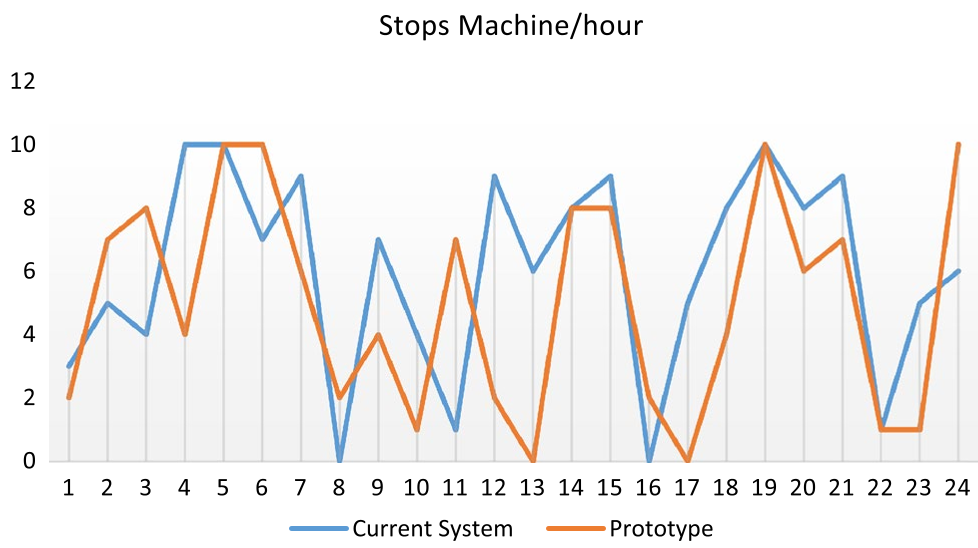 Data analysis showing stops caused by misalignments and failures captured by the prototype.
Critical Insight & Conclusion
The true value of this work lies in its Social Internet of Things (SIoT) implementation. By treating machines like social network participants, the architecture allows for human-centric monitoring (via familiar mobile interfaces) and machine-to-machine (M2M) rules that are easy to define through the proposed metamodel.
Limitations: While the prototype is successful, the authors acknowledge that security standardization and the complexity of real-time multi-event processing remain challenges for full-scale industrial adoption. Future research will likely need to focus on the "Fuzzy Logic" required for more nuanced, dynamic decision-making in unpredictable industrial environments.