
From Outrage to Oversight: How Microblogging Reshaped Chinese Governance
Microblogging use and changes in governance: Netizens' deliberation on controversial traffic accidents in China
This research investigates the impact of microblogging (Sina/Tencent Weibo) on governance in China by analyzing netizen deliberations on four high-profile traffic accidents (2006–2012). It identifies microblogs as a transformative "New Public Sphere" that challenges state-controlled information and reshapes public-state interactions via collective reflection.
TL;DR
By analyzing four major "hit-and-run" controversies in China (2006-2012), this study demonstrates that microblogging platforms like Weibo have transcended simple social networking to become a powerful New Public Sphere. They act as a catalyst for collective deliberation, forcing the government to transition from a localized, reactive stance to a systematic, national-level involvement in social morality and legal reform.
Background: The Public-State Interaction in the Digital Age
In the early 2010s, China witnessed a surge in social media adoption that fundamentally altered the political landscape. While the state attempted to use microblogs as an "innovative tool in governance," netizens repurposed these platforms to bypass traditional media censorship. The research focuses on the "meso-level" of governance—the interaction between state and society—to understand how online debates over traffic accidents became a battleground for defining civic roles.
The "Bystander Crisis": Four Cases That Shook the Nation
The study tracks a deteriorating social trust through four key incidents:
- Peng Yu (2006): The "origin story" where a helper was penalized based on a judge's "common sense," creating a national narrative that "no good deed goes unpunished."
- Xu Yunhe (2009): A repeat of the injustice that saw netizen support for the helper soar to 52%.
- Yin Hongbin (2011): A turning point where dashcam footage cleared a bus driver, highlighting the public demand for transparency and evidence-based justice.
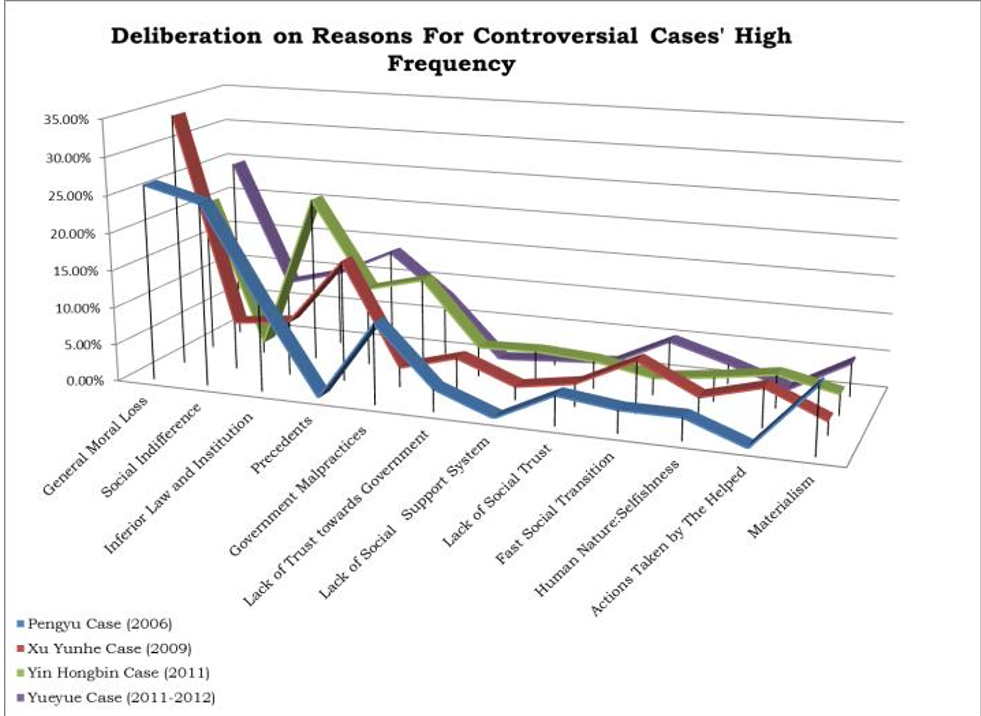
- Yueyue (2011): The tragic death of a toddler ignored by 18 passers-by, which shifted the online debate from legal technicalities to a profound collective reflection on systemic moral loss.
Methodology: Grounded Theory and Selective Coding
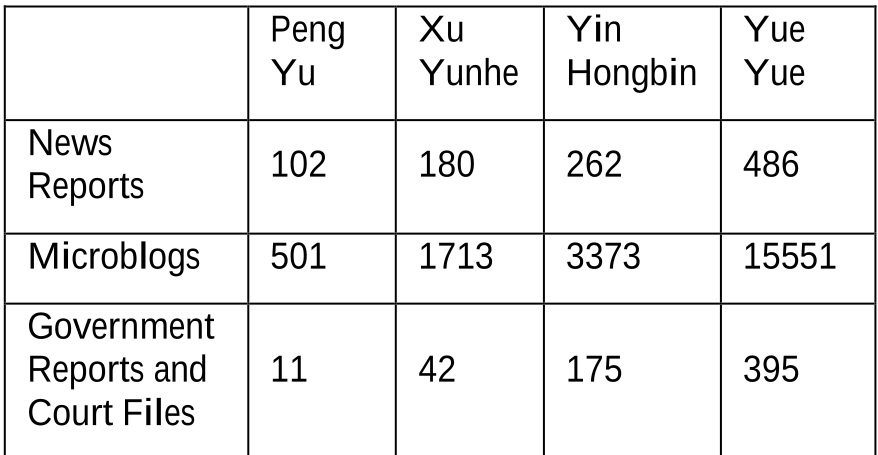
The research team utilized a grounded approach to process nearly 24,000 microblogs. They conducted multi-stage coding (open, axial, and selective) to identify how emotional responses evolved from anger at individuals to demands for legislative change (e.g., "Good Samaritan Laws").
Core Findings: The Governance Shift
The research identifies a clear correlation between the intensity of online deliberation and the depth of government response.
1. From Passive to Proactive
In 2006, the government's role was limited to local court sentencing. By the 2011 Yueyue case, 22 separate government agencies were involved, including the National Propaganda Department and the Ministry of Health. The state shifted from merely "punishing" to "social education" and "policy making."
2. Microblogging as a New Information Channel
Netizens used Weibo to aggregate evidence that traditional, state-controlled media either ignored or misrepresented. This "bottom-up" information flow destroyed the government's monopoly on the narrative, forcing traditional news streams to adopt a more investigative and cautious approach.
3. The Power of "Light Communities"
The study introduces the concept of Light Communities—fluid, issue-oriented networks that lack the rigid hierarchy of traditional organizations but possess immense mobilizing force. These communities allowed netizens to reach a consensus on systemic causes, such as the lack of social welfare for seniors, which often drove "hit-and-run" schemes.
Critical Insights & Conclusion
This paper provides a sophisticated mapping of how digital platforms can drive Governance Transformation. The key takeaway is that the impact of microblogging in China is not about "overthrowing" the state, but about iteratively "improving" it by creating a feedback loop that the government cannot ignore.
Limitations & Future Outlook: While powerful, these "light communities" are subject to the Digital Divide. The study notes that populations under 18 and over 45 are often marginalized in these online debates. Future research must address whether these digital consensus-building processes can translate into long-term institutionalized social movements or if they remain merely temporal bursts of "issue-oriented" participation.
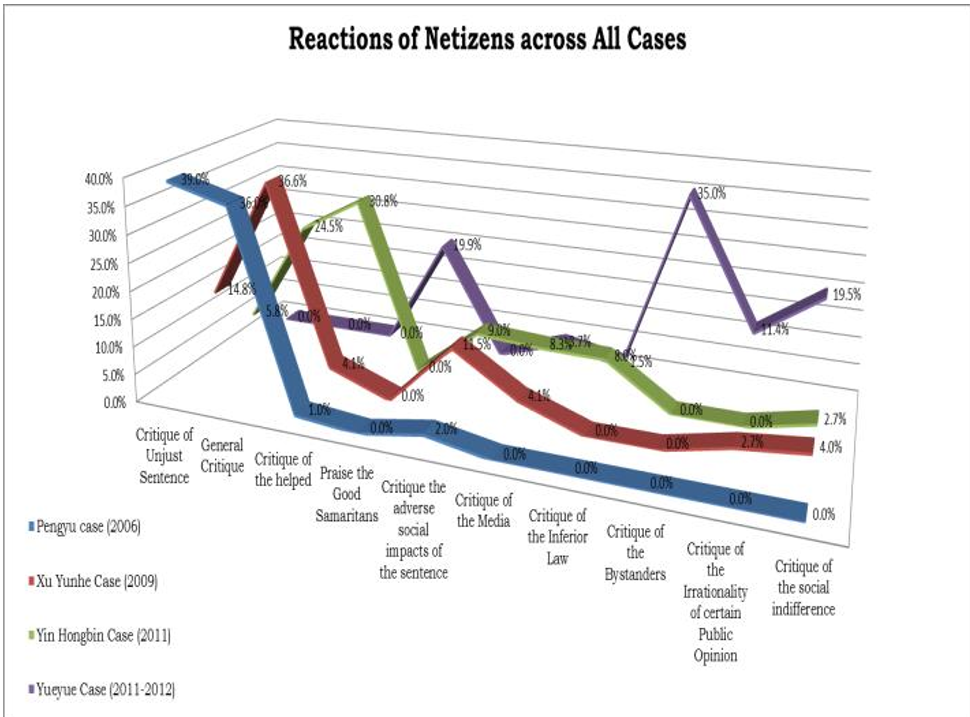
In summary, the transition from the Peng Yu case to the Yueyue case represents a maturation of the Chinese digital public—moving from individual grievances to a collective demand for a more just and moral governance structure.