
Minha Saúde: Bridging Social Support and Self-Care for Cardiovascular Patients
"Minha Saúde" a Healthcare Social Network for Patients with Cardiovascular Diseases
The paper introduces "Minha Saúde," a specialized Online Healthcare Social Network (OHSN) tailored for cardiovascular disease patients. It features a "Care Plan" module for health monitoring and a hybrid "Content-plus-link" friendship recommendation algorithm to foster social inclusion and treatment adherence.
TL;DR
The "Minha Saúde" (My Health) platform is a dedicated social network designed to combat the isolation and adherence challenges faced by cardiovascular patients. By combining a Health Care Plan for daily tracking with a Hybrid Recommendation System that connects patients with similar clinical profiles, the study demonstrates how digital communities can transform chronic disease management into a collaborative, socially-supported journey.
Problem & Motivation: The Loneliness of Chronic Illness
Cardiovascular diseases require rigorous, long-term monitoring and significant lifestyle adjustments. Traditional medical approaches often overlook the psychological toll—anxiety, depression, and social withdrawal—that accompanies these conditions. While sites like PatientsLikeMe exist, they are often too broad. The authors identified a gap: patients need a niche environment where they can share specific cardiovascular symptoms and experiences with peers who truly understand their "Clinical Profile."
The core challenge lies in Social Inclusion. How do we encourage a 56-year-old patient with limited tech experience to engage with their treatment? The authors' insight was to marry quantitative health tracking (blood pressure, heart rate) with qualitative social interaction (emotional support groups).
Methodology: The "Content-plus-link" Recommendation Logic
The "secret sauce" of Minha Saúde is its friendship recommendation engine. Unlike Facebook, which relies heavily on existing social circles, Minha Saúde must facilitate new connections based on medical relevance.
The authors proposed a similarity function that aggregates four distinct dimensions:
- Clinical Profile (): Binary vectors representing diagnoses and treatments.
- Health Status (): Quantitative data from the Care Plan (e.g., blood pressure levels).
- Interests Profile (): A bag-of-words model processed via TF-IDF from the user's posts.
- Social Link (): A graph-based weight for mutual friends or shared groups.
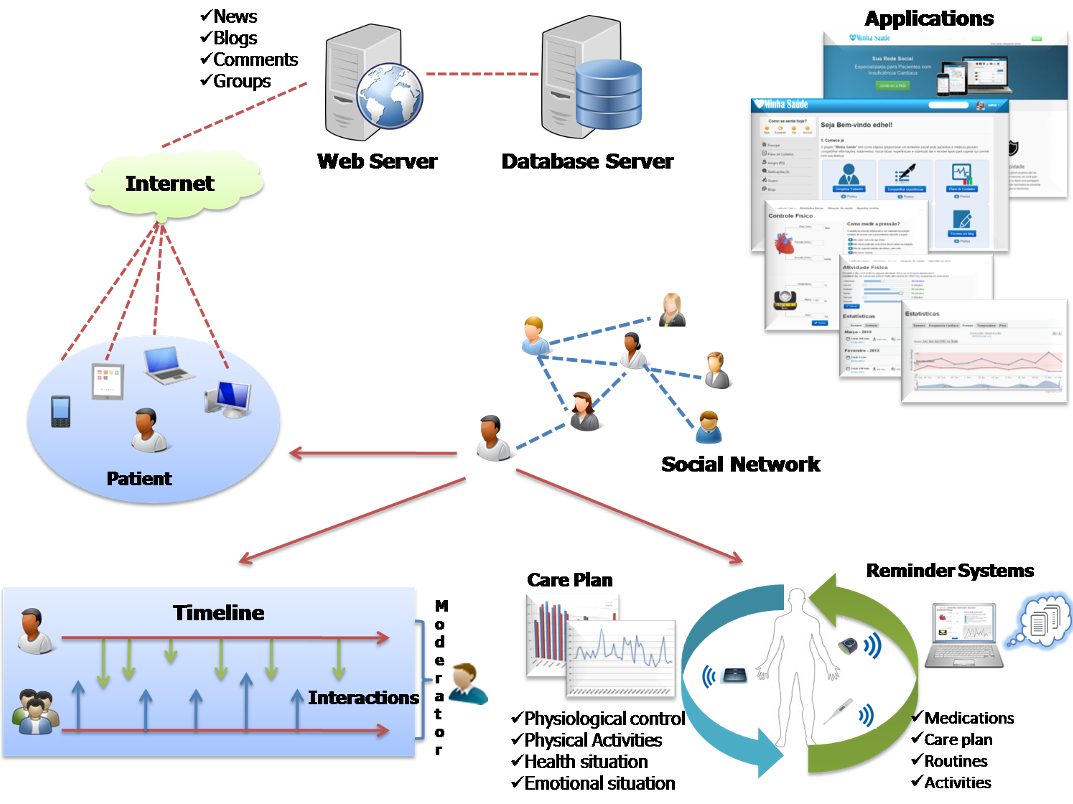 Fig 1: The ecosystem integrates Social Management, Care Planning, and Recommendation modules.
By using an adaptation of the K-Nearest Neighbor (KNN) algorithm, the system surfaces a ranked list of potential "health buddies" who share similar struggles and interests, making the first step of social outreach much less daunting.
Experiments & Results: Real-World Adoption
The study monitored 45 patients over six months. The results highlight both the potential and the "digital divide" barriers of this technology.
- Engagement: Users posted 630 messages. Notably, nearly 30% were private, suggesting that while patients value the community, privacy regarding sensitive health data remains a priority.
- Care Plan Adherence: Over 50% of users actively tracked their physical activities. However, the manual entry of physiological data (blood pressure, etc.) was identified as a friction point.
- Recommendation Performance: Out of 1787 suggestions, 14.44% resulted in friendship requests. While this might seem low compared to general social media, it represents a high "trust threshold" for a clinical population.
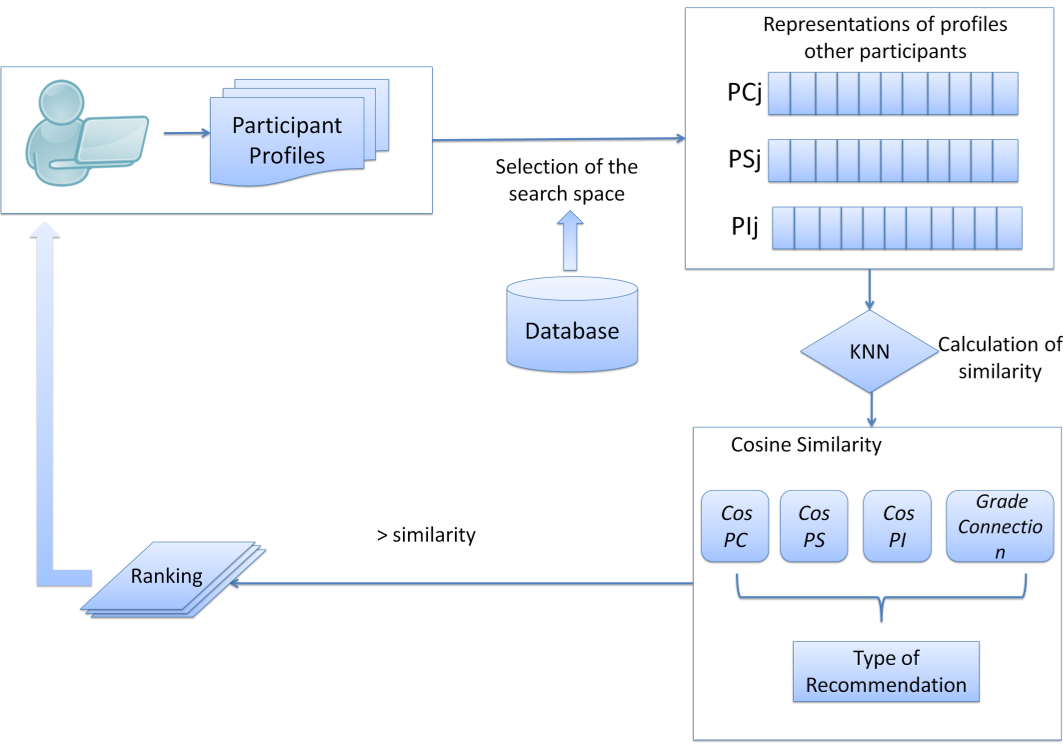 Fig 2: Participation across different sub-modules of the health care plan.
Critical Insight & Future Outlook
The most striking takeaway from the "Minha Saúde" study is the Human-Computer Interaction (HCI) barrier. The authors noted that many invited patients declined participation due to technology-related anxiety. For an OHSN to truly scale among cardiovascular patients (who are predominantly older), the interface must shift from "active manual input" to "passive automated monitoring."
Future Directions:
- IoT Integration: Automating the Care Plan via Bluetooth-enabled blood pressure cuffs and smartwatches to reduce the user "filling-in" burden.
- Explainable AI (XAI): The authors suggest that telling a user why someone is recommended (e.g., "You both have similar blood pressure trends") could significantly increase the 14% acceptance rate.
- Psychological Intervention: Utilizing NLP to detect early signs of depression or anxiety from posts, allowing clinicians to intervene proactively.
In conclusion, "Minha Saúde" proves that specialized social algorithms can do more than just sell ads—they can foster the empathy and accountability required to save lives in the chronic care era.