
Mining Customer Knowledge: Transforming Retail Strategy with Electronic Catalogs
Mining customer knowledge for electronic catalog marketing
This paper presents a data mining framework using association rules and relational database design to extract customer knowledge for electronic catalog marketing. Implemented for a major retailing mall in Taiwan (Far Eastern Geant), the system enables strategic market segmentation and customized cross-selling strategies.
TL;DR
In the early 2000s, the retail industry faced a bridge between traditional physical presence and the burgeoning digital market. This paper explores a systematic approach to Data Mining within a Taiwanese retail giant, Far Eastern Geant. By utilizing Association Rules within a relational database, the authors developed a way to move past "blind" mass marketing toward Strategic Segmentation through electronic catalogs, enabling personalized promotions and dynamic cross-selling.
The Problem: The Inflexibility of Paper Catalogs
For decades, retailers relied on paper catalogs (Direct Mail). However, the authors identify several critical bottlenecks in this legacy model:
- Mass Marketing Bias: Catalogs were designed by head offices for a general audience, ignoring local branch customs and specific consumer preferences.
- Temporal Lag: A one-month production cycle meant that by the time a catalog reached a customer, their needs or market trends had often shifted.
- Lack of Synergy: Traditional formats focused on single-product promotions, missing the lucrative potential of cross-selling linked products (e.g., snacks and drinks).
Methodology: From Relational Data to Actionable Knowledge
The core of this research is the transition from a flat data structure to a Relational Database Management System (RDBMS) designed specifically for mining.
1. The E-R Model and Library Design
The authors constructed a conceptual model featuring 10 entities and 68 attributes. This wasn't just a storage solution; it was a map of customer behavior, linking personal demographics to specific transaction timestamps and brand choices.
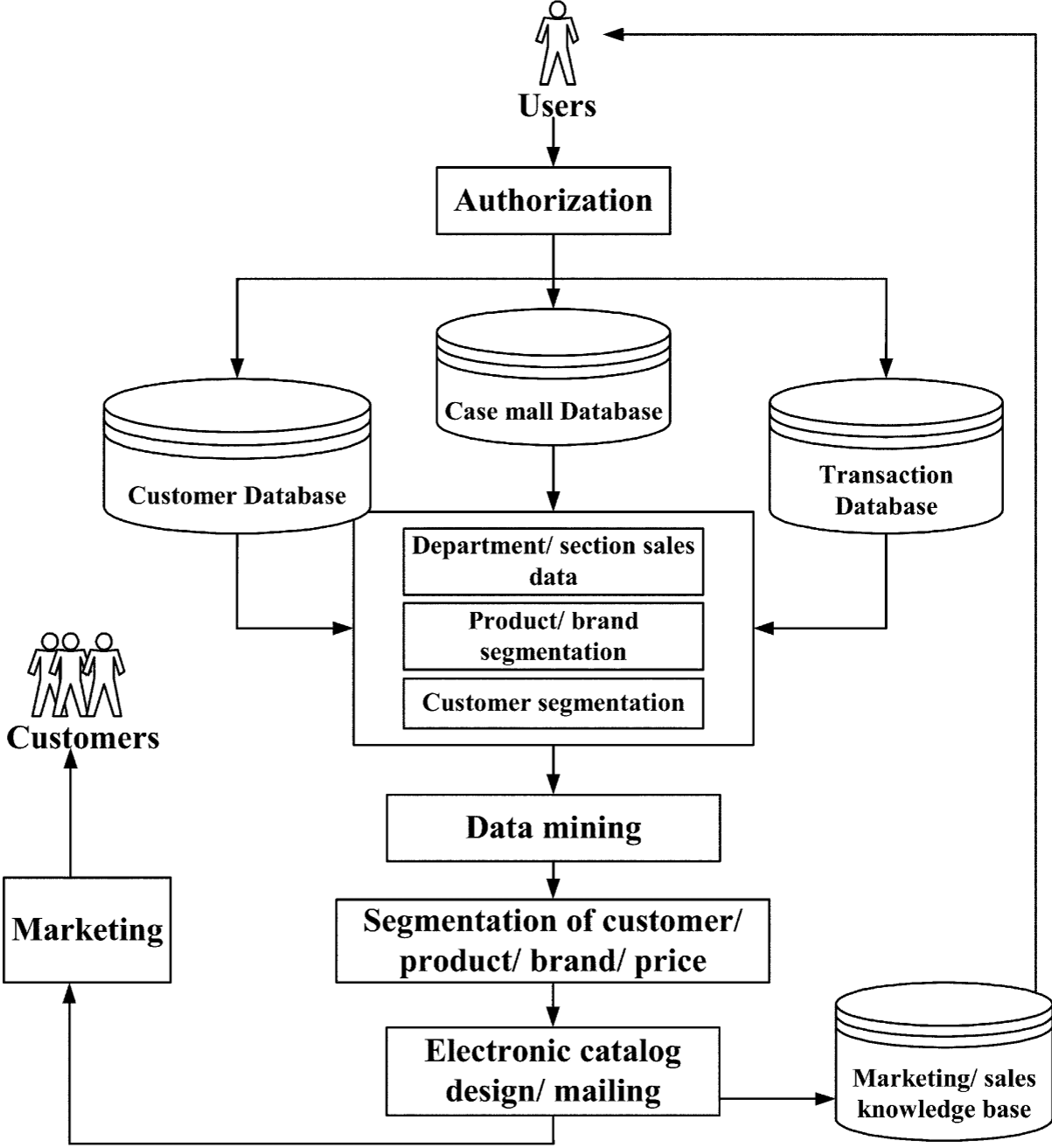 Figure 1: The framework integrating the Relational Database with the Data Mining process.
2. Multi-Level Association Rule Mining
The "magic" happens in the three-level mining process:
- Level 1 (Department): Finding correlations between broad sections (e.g., Grocery vs. Daily Distribution).
- Level 2 (Category): Narrowing down to specific types (e.g., Instant Noodles vs. Beverages).
- Level 3 (Product Name): The granular level identifying specific brand pairings (e.g., Want Want Senbei and Supau).
Experimental Insights: What Do Customers Actually Buy?
Through the mining process, the authors extracted specific "Rules" that dictate the logic of the new Electronic Catalog.
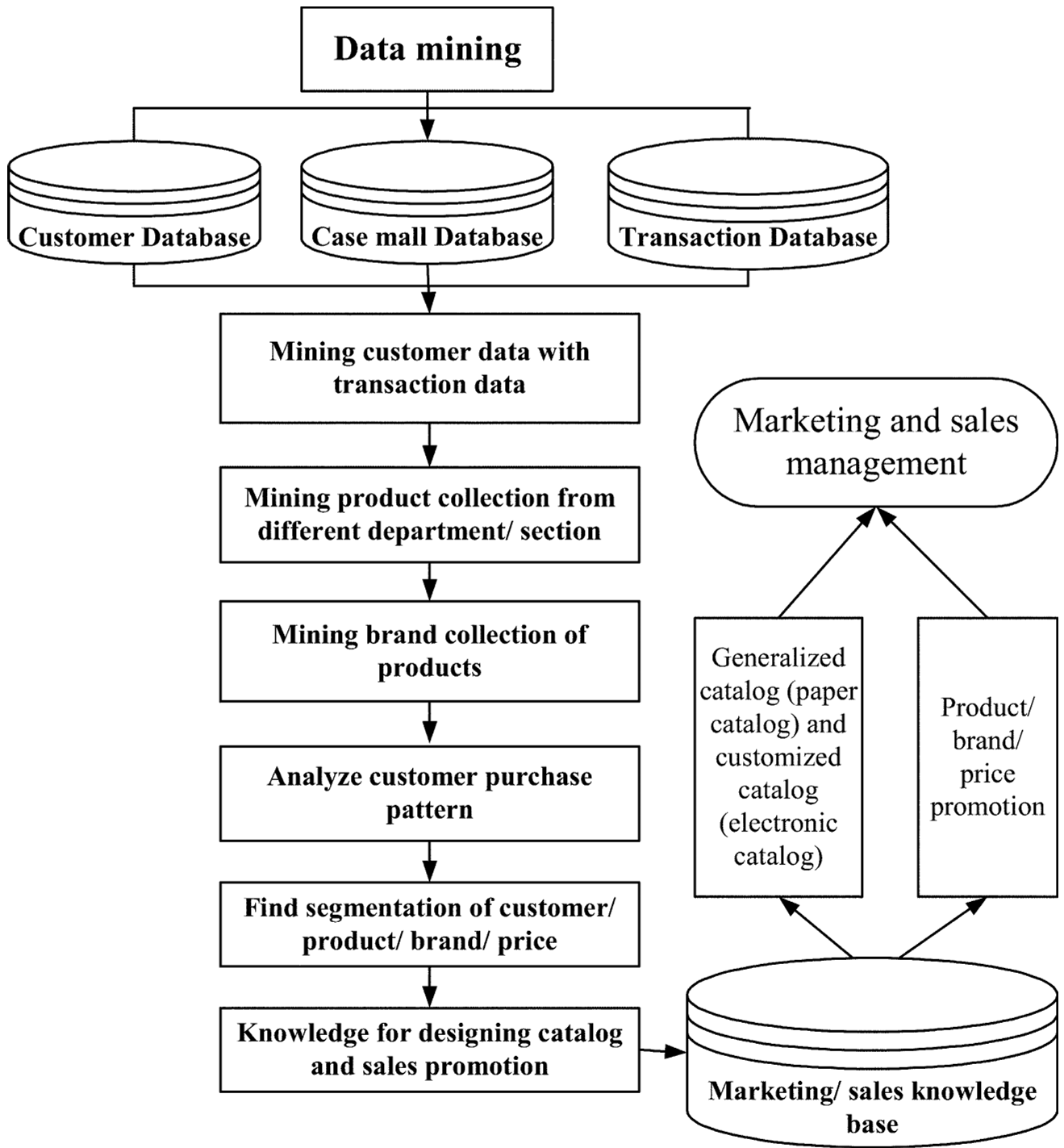 Figure 2: The step-by-step Data Mining process from Database establishment to Result Analysis.
Key Findings:
- The "Snack & Drink" Rule: There was a 15.63% association between Want Want Senbei and Vitalon Soda.
- Brand Loyalty Variance: The study found that for items like ice cream, brand loyalty was remarkably low, suggesting that retailers could successfully push Self-Owned Brands (Private Labels) by pairing them with high-loyalty anchors like popular biscuits.
- Rule-Based Targeting: Under "Rule 1," customers who had previously purchased tea were sent electronic catalogs featuring a 10% discount on a specific three-item combo to stimulate higher turnover.
Deep Insight: Why This Matters
The transition to an Electronic Catalog is more than just "going digital"—it is about Agility.
- Dynamic Pricing: Unlike paper, the electronic format allowed managers to adjust discount rates (e.g., 10% vs 15%) based on whether a customer was a frequent shopper or a "at-risk" lead.
- Knowledge Feedback Loop: As shown in the study’s conclusion, the system creates a loop where every electronic interaction feeds back into the database, constantly refining the Association Rules.
Critical Analysis & Conclusion
While this paper was written in a specific era of retail (2004), its fundamental logic remains the backbone of modern Recommendation Engines used by Amazon and Alibaba. Use of RDBMS-based association rules provided a computationally efficient way to achieve personalization before the era of massive GPU-accelerated neural networks.
Takeaway for Today: The true value of a retailer lies not in its inventory, but in its Customer Knowledge. By treating transaction history as a source of "Rules" rather than just "Records," businesses can transform from passive suppliers into proactive partners in the consumer's journey.