
Deciphering the Live Stream: A Holistic Model for Information Behavior on SLSSs
A Model for Information Behavior Research on Social Live Streaming Services (SLSSs)
The paper proposes a heuristic theoretical model for Analyzing Information Behavior on Social Live Streaming Services (SLSSs). It synthesizes the Lasswell formula, Uses and Gratifications (U&G) theory, and Self-Determination Theory (SDT) to explain the motivations and interactions of producers, consumers, and participants in real-time social media environments.
TL;DR
Social Live Streaming Services (SLSSs) like Twitch, YouTube Live, and TikTok are more than just "live TV on the web"—they are complex ecosystems of real-time reciprocity. This paper introduces a comprehensive heuristic model that combines classic communication theory with modern psychology to explain why people broadcast their lives and why millions watch and pay them to do it.
The "Synchronicity Gap" in Social Media Research
Most social media research treats platforms as asynchronous archives—you post a photo, and someone "likes" it hours later. However, SLSSs are synchronous. The moment a streamer speaks, the audience reacts. The authors argue that current models are too fragmented: some focus only on the tech, others only on the viewer. There was a desperate need for a "Unified Theory of Live Streaming" that examines the Producer, the Participant, and the Consumer simultaneously.
Methodology: The Theoretical Triad
The researchers didn't reinvent the wheel; they built a more powerful engine using three established components:
- Lasswell’s Formula (The "Who" and "How"): Used to map the linear path of communication—from the streamer's intent to the message’s final effect on the viewer.
- Uses and Gratifications (The "Why"): Focuses on what people do with media to satisfy their needs (Information, Entertainment, Social Interaction, or Self-Presentation).
- Self-Determination Theory (The "Drive"): Explains the psychological "nutrients" required: Autonomy (freedom to act), Competence (mastery of the app), and Relatedness (social connection).
The SLSS Interaction Spectrum
A key insight of the paper is the reclassification of "Social Interaction." Unlike TV, which is Parasocial (one-sided), SLSSs offer Reciprocal interaction.
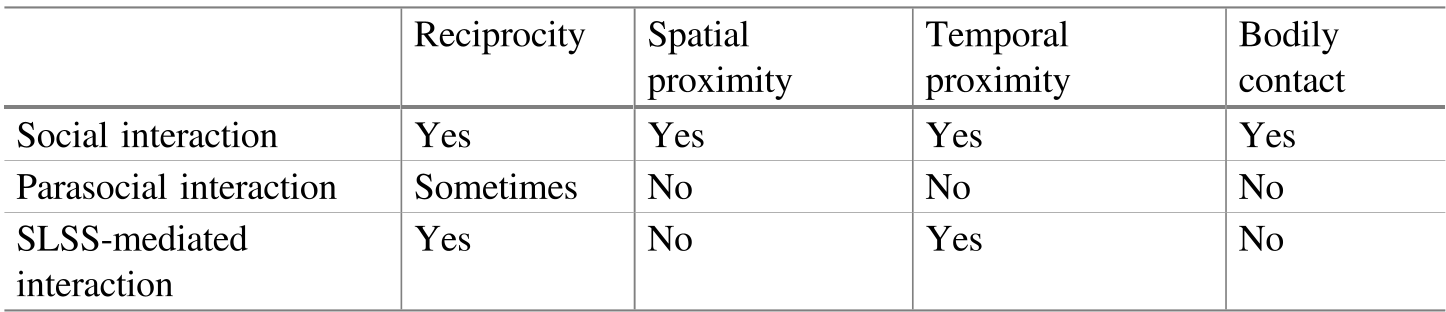 Table 1: Comparison of interaction types showing the unique status of SLSS-mediated interaction.
The Unified Model: Flowcharts and Entities
The authors visualize the user journey through a detailed flowchart. It tracks a user from their initial internal "Needs" through the "Media Exposure" phase, ending in "Need Gratification."
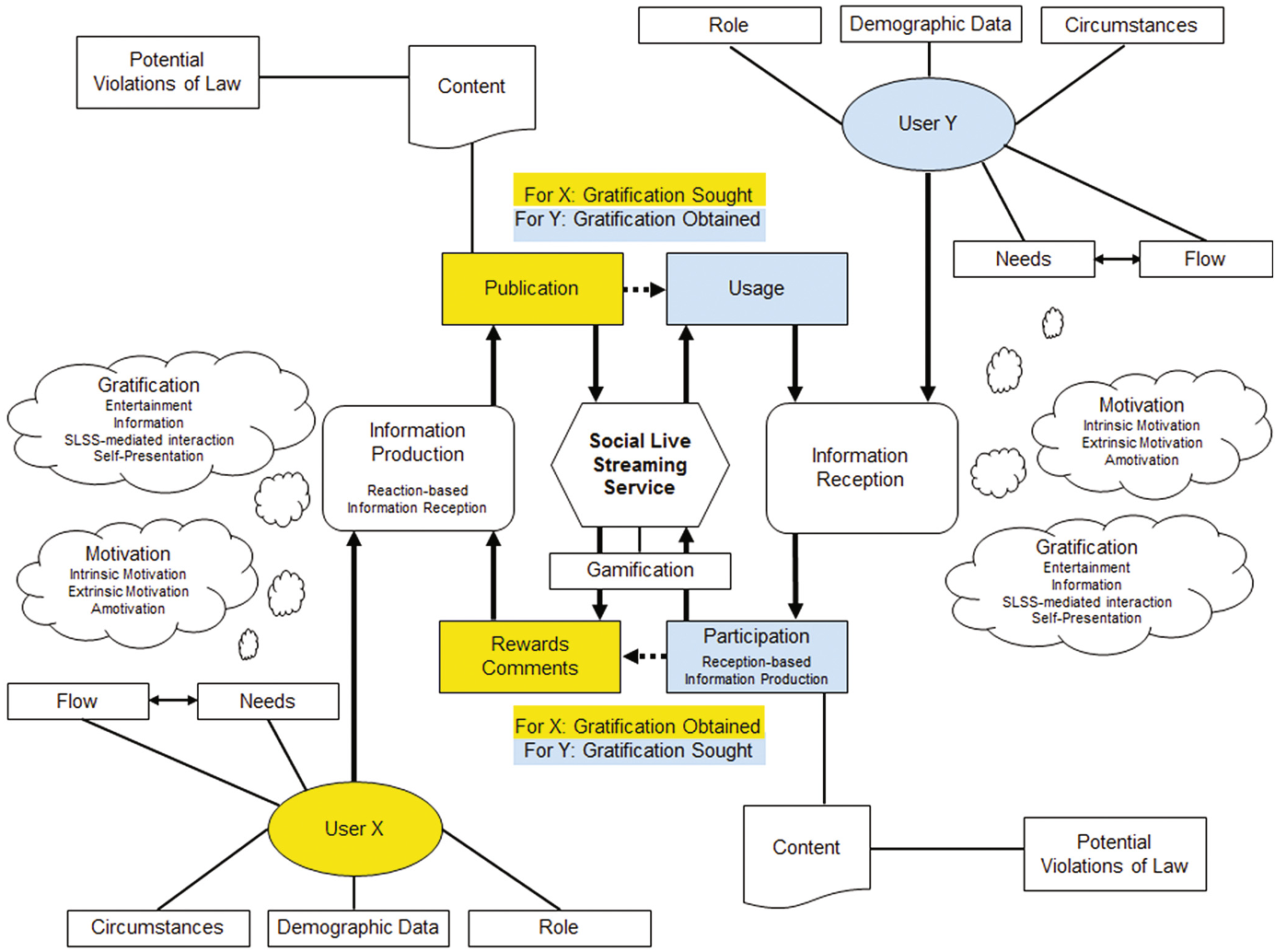 Figure 1: The proposed heuristic model for information behavior on SLSSs.
Crucially, the paper includes an Entity-Relationship (ER) Model, which treats live streaming as a database problem. This allows researchers to quantify variables like "Gamification Elements," "Law Infringements," and "Flow" (the state of total absorption).
Deep Insights: The Role of Gamification
Why do users send virtual "gifts" or badges? The model points to extrinsic motivation. Gamification hooks users into a cycle of "Introjection"—performing actions to gain status (pride) or avoid losing rank (shame). When the challenge of the platform matches the user’s skill, they hit a state of Flow, leading to high engagement and long-term loyalty.
Critical Analysis & Future Outlook
While the model is robust, it highlights a growing concern: content contamination. Because SLSSs are real-time, they are prone to copyright violations and privacy infringements (personality rights) that are harder to moderate than static posts.
Takeaway: For developers and researchers, the message is clear: SLSS success isn't just about video quality; it's about creating a "Backchannel" that makes the viewer feel like a vital part of the broadcast. The future of social media is not just being "connected," but being "present" in the same digital second.
Perspectives for Future Research
This model serves as a foundation for studying:
- Influencer Dynamics: How professional streamers manipulate these gratifications.
- Cross-Cultural Behavior: Do Japanese niconico users seek different gratifications than US Twitch users?
- Legal Frameworks: How real-time law enforcement can exist in a synchronous medium.