
MOST: Bridging the Gap Between Online Therapy and Human Connection
Moderated online social therapy : Designing and evaluating technology for mental health
This paper introduces Moderated Online Social Therapy (MOST), a novel digital health framework that integrates clinician-moderated social networking with interactive psychotherapy modules. Designed specifically for young patients recovering from First-Episode Psychosis (FEP), the system achieved high engagement rates and significant reductions in depressive symptoms during a 6-week pilot trial.
TL;DR
Mental health technology is at a crossroads: self-guided apps are scalable but suffer from massive dropout rates, while face-to-face therapy is effective but resource-strained. This paper presents Moderated Online Social Therapy (MOST), a system that creates a "secure space" for young people recovering from psychosis by blending social networking, clinician moderation, and interactive therapy. The result? A system that users actually want to use, leading to improved social connection and lower depressive symptoms.
The Engagement Crisis in Digital Mental Health
The primary hurdle for e-Health isn't the delivery of information—it's the retention of the user. Most online Cognitive Behavioural Therapy (CBT) platforms feel like homework: cold, automated, and isolating. For young adults with First-Episode Psychosis (FEP), this is particularly dangerous. These users face cognitive deficits, intense social stigma, and a high risk of relapse within 2-5 years.
Prior work often failed because it treated patients as passive recipients of data. The authors argue that to keep a patient "vigilant" against future psychotic episodes without scaring them away, the technology must provide a sense of belonging and accountability.
Methodology: The MOST Architecture
The MOST model isn't just a website; it’s a theoretically grounded ecosystem. The authors focused on three pillars:
- Supportive Accountability: Human moderators (clinicians) establish trust and set expectations. Unlike automated "bots," these moderators are "real people" who participate in the newsfeed.
- Positive Psychology: Instead of focusing on "what is wrong with you," the interface (specifically through strengths-based modules) focuses on "what is right with you."
- Pseudonymous Social Networking: Users interact via a "News Feed" similar to Facebook but within a walled garden accessible only to clinic patients.
Cognitive UI Design
To accommodate potential cognitive deficits in FEP patients, the authors implemented a "card sorting" interface for identifying early warning signs of illness. This tactile, visual approach simplifies complex self-reflection into manageable interactions.
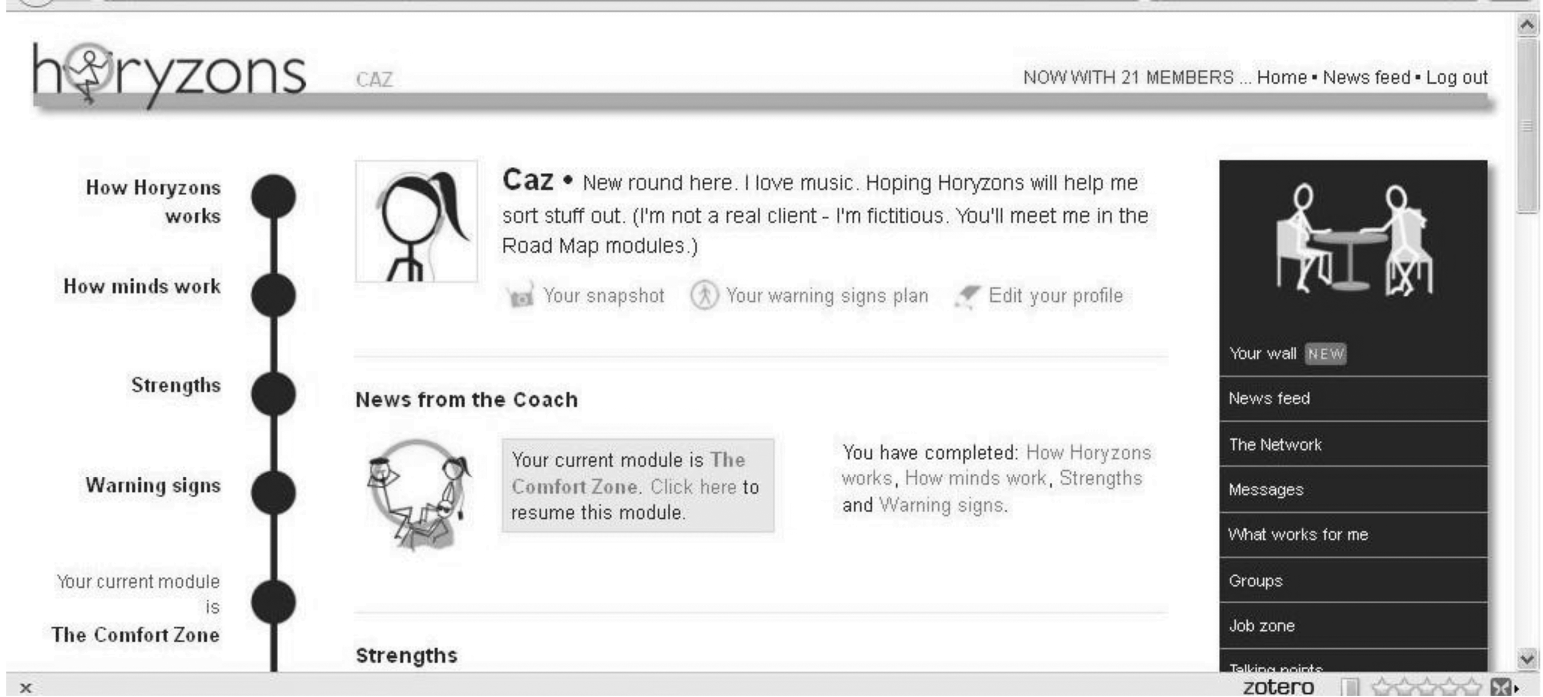 Fig 1: The MOST Home Page, featuring a "Railway Map" therapy journey and a integrated social sidebar.
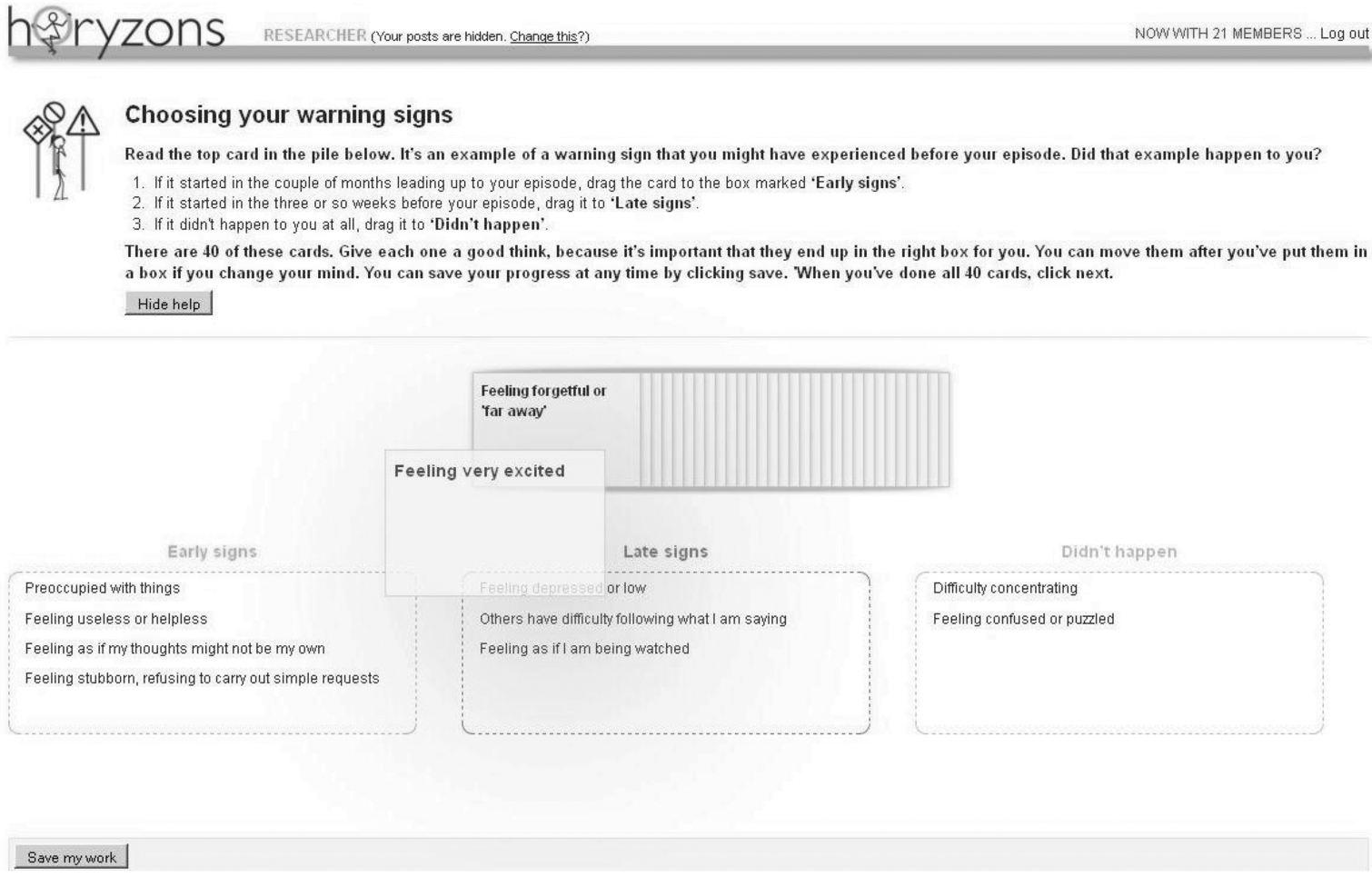 Fig 2: Simplifying symptom tracking through drag-and-drop card sorting.
Experimental Results: Beyond Attrition
The 6-week trial involving 20 FEP patients demonstrated that the "social" element was the primary driver of engagement.
- Usage Consistency: 70% of participants logged in for at least 3 out of the 4 core trial weeks.
- Therapeutic Alliance: Users cited that knowing the moderators were "real" from the clinic made them feel safe—a concept termed "anchored relationships."
- Clinical Outcomes: There was a measurable reduction in depressive symptoms and an increase in perceived social support.
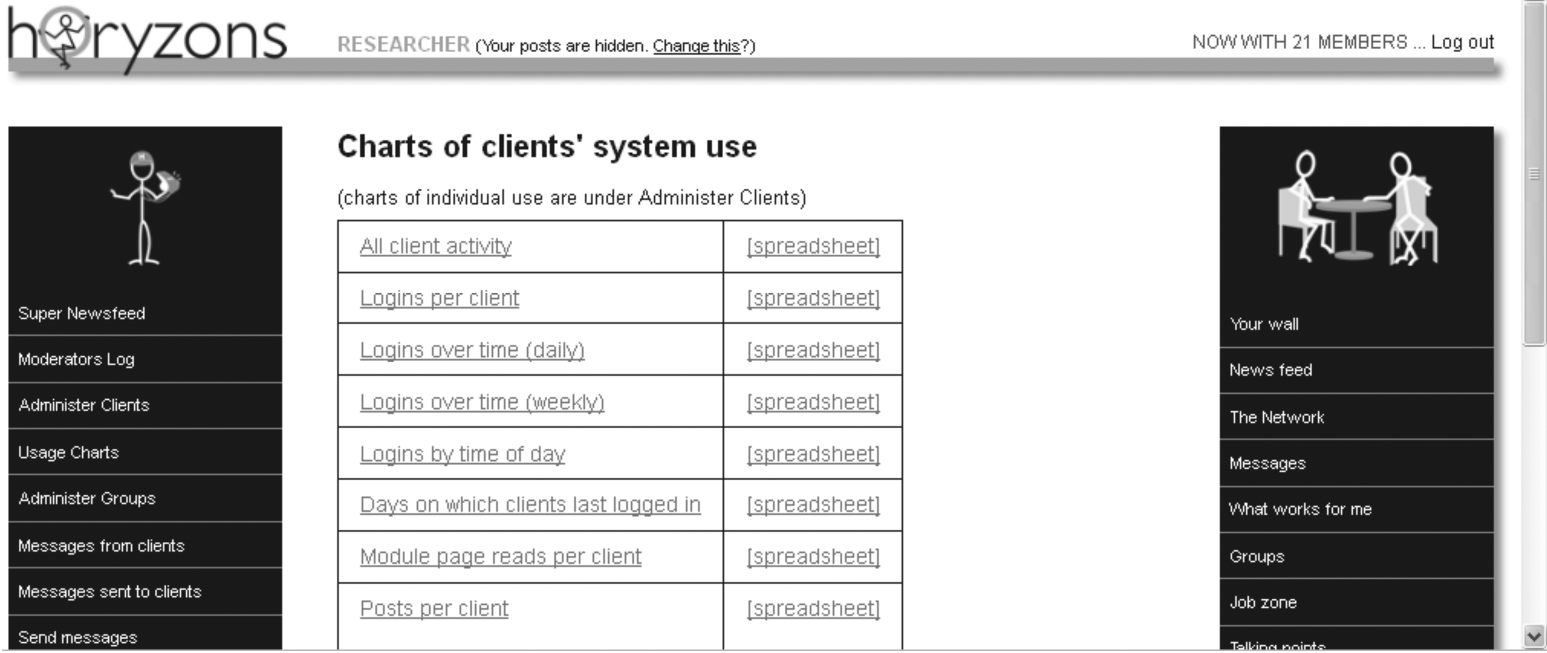 Fig 3: Active moderation tools allowing clinicians to monitor user progress and provide timely feedback.
Critical Insight: Why Does This Work?
The success of MOST lies in the Common Sense Model (CSM) of illness. Patients aren't looking for biomedical definitions; they are looking for "lay interpretations" from others who are "in the same boat." By allowing users to see that "someone else has it worse" (downward comparison) or seeing "how someone else recovered" (upward comparison), the platform transforms from a clinical tool into a community of practice.
Conclusion and Future Directions
The paper proves that "Positive Computing" can be achieved by prioritizing user experience (UX) and social dynamics over raw clinical throughput. The authors are already scaling MOST to address depression and support for carers, with plans for a 4-year large-scale randomized controlled trial.
Takeaway for the Industry: To build successful health tech, stop focusing solely on the algorithm and start focusing on the human in the loop. Moderation isn't a cost; it's the core feature that drives engagement and therapeutic success.
Limitations
- Scalability: Professional moderation is expensive and hard to scale to millions of users.
- Broadness of Insights: The trial was small (20 people), and long-term engagement (years vs. weeks) remains to be proven.
- Mobile Gap: In 2014, the site wasn't fully mobile-optimized; current iterations would need a mobile-first approach to reach the most demotivated users who "stay in bed."