
Modern Pedagogy: Beyond the Chalkboard in Engineering Education
16950_Application of modern teaching techniques in the educational process.
This paper explores the integration of modern pedagogical frameworks—including Flipped Teaching, Whole Brain Teaching, Gamification, and Social Media—within the technical curriculum of the School of Electrical Engineering in Zagreb. It presents a comparative study of traditional vs. modern methods, highlighting significant improvements in student engagement and exam performance across IT-focused courses.
TL;DR
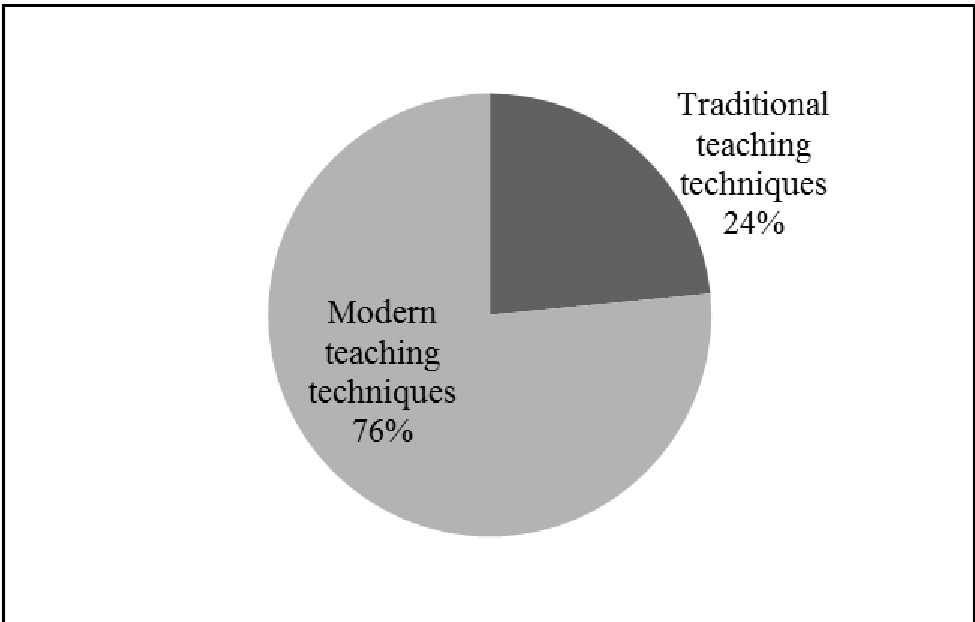
The traditional "sage on the stage" model is dying. This research from the School of Electrical Engineering in Zagreb demonstrates that by "flipping" the classroom, gamifying progress, and utilizing social media as a virtual hub, educators can achieve a 76% student satisfaction rate and significantly improve exam outcomes in complex technical fields.
Contextual Positioning
While technology in schools isn't new, this work serves as an operational blueprint for integrating multiple modern frameworks into a single cohesive strategy. It moves past the "what" of technology and solves the "how" of implementation for high-difficulty courses like System Software and Network Technologies.
The Core Conflict: Passive vs. Active Learning
The authors identify a fundamental mismatch: students are "always connected," yet the traditional classroom is a "disconnected" environment. The pain point is Intrinsic Motivation. Traditional methods rely on rote memorization (the "take notes and go home" cycle), which fails to prepare students for the collaborative and analytical demands of the modern tech workforce.
Methodology: The Four Pillars of the Modern Classroom
1. Flipped Teaching: Reversing the Knowledge Flow
Instead of using class time for the "first exposure" to information, students consume pre-recorded lectures or readings at home. Class time is reclaimed for Active Learning Strategies like Peer Instruction and Case-based Learning (CBL).
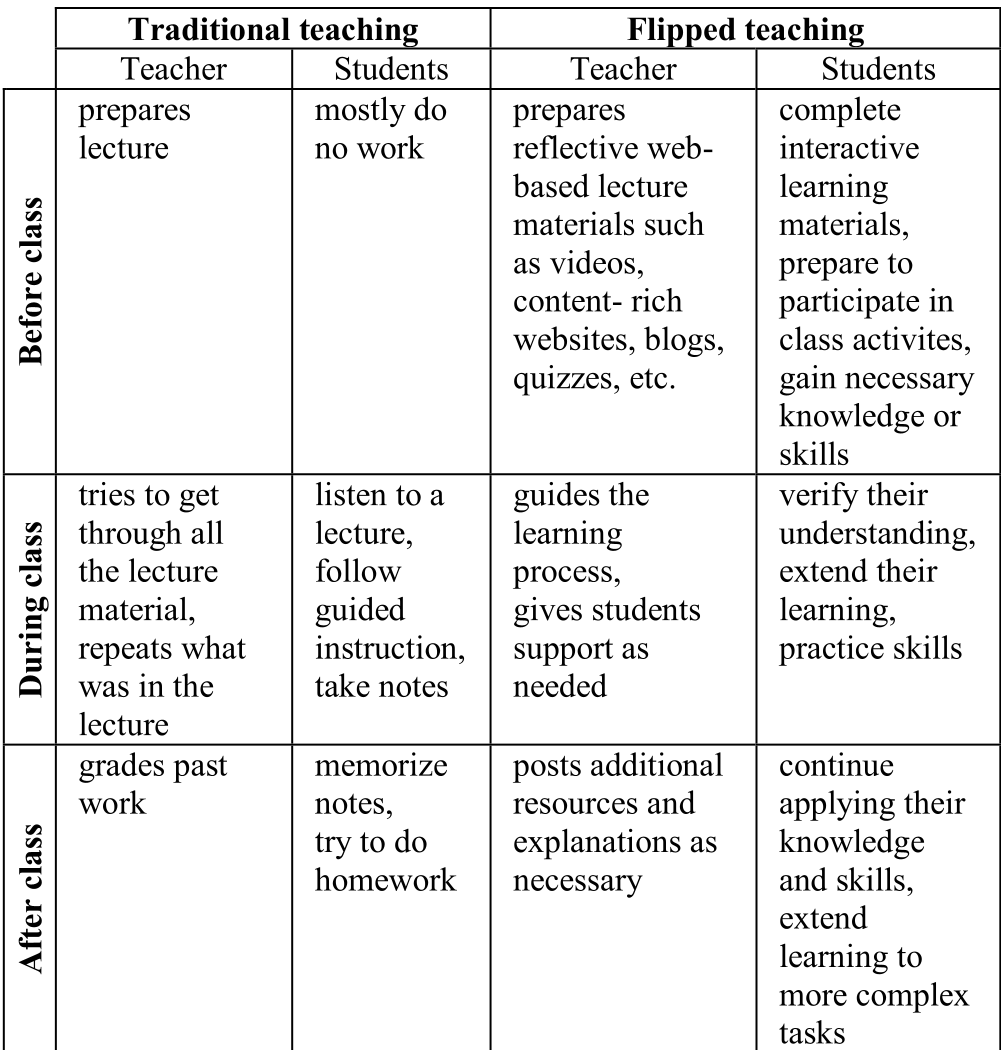
2. Whole Brain Teaching: Sensory Integration
By utilizing techniques like "Class-Yes" (attention gathering) and "Teach-OK" (immediate peer teaching), the teacher ensures that both the verbal and motor centers of the brain are engaged. This reduces cognitive fatigue and increases the "stickiness" of the material.
3. Gamification: Mechanics of Motivation
Education is treated as a "quest." Students earn badges (e.g., "Star Performer") and track progress on leaderboards. This transforms the anxiety of grading into a visual representation of growth, leveraging the same psychological loops found in gaming.
4. Social Media as a Virtual Classroom
Using platforms like Edmodo, the classroom becomes an asynchronous community. This allows for 24/7 access to resources and teacher support, which is particularly vital for learning software-dependent skills (e.g., Dev-C++, CADdy++).
Experimental Results & Evidence
The study’s results are overwhelmingly positive, yet they offer a nuanced view. While 76% of students favored the new approach, 24% still preferred traditional methods—citing the increased workload and screen time required by the modern model as a drawback.
Ablation View: The study found that Flipped Teaching worked best for courses that already had computer-based activities, suggesting that modern techniques aren't a "one-size-fits-all" but must be matched to the subject's Inductive Bias.
Critical Insight & Future Outlook
The true value of this paper lies in its recognition that technology is a medium, not a method. The success didn't come from just "using a computer"; it came from changing the incentive structure (Gamification) and the social architecture (Flipped Classroom/Social Media) of learning.
Limitations: The primary bottleneck identified was Teacher Time. Preparing high-quality pre-recorded content and managing gamified platforms is significantly more labor-intensive than traditional lecturing.
Future Work: The next frontier will likely involve AI-Augmented Modern Teaching, where the "preparation" phase of the Flipped Classroom is personalized automatically for each student’s pace, further reducing the teacher's administrative load.