
StoryBee: Architecting Motivation for Intangible Cultural Heritage Preservation
Motivational Principles and Personalisation Needs for Geo-Crowdsourced Intangible Cultural Heritage Mobile Applications
The paper introduces StoryBee, a geo-crowdsourced mobile application designed for the preservation of Intangible Cultural Heritage (ICH). It integrates diverse motivational principles—ranging from intrinsic altruism to extrinsic gamification—to engage citizens in collecting, sharing, and validating location-based cultural stories.
TL;DR
Preserving a city's "soul"—its stories, traditions, and local wisdom—requires more than just a database; it requires an active, motivated crowd. This paper presents StoryBee, a mobile geo-crowdsourcing application that moves beyond static data collection. By mapping technical features (like Geo-referencing) to psychological drivers (like Altruism and Social Identity), the authors provide a blueprint for sustainable, citizen-led cultural preservation.
Background: The Intangible Problem
In an era of rapid globalization, Intangible Cultural Heritage (ICH) is fragile. Unlike a physical monument, a story can vanish when its neighborhood changes. While mobile technology offers a solution through geo-crowdsourcing (GeoCS), most apps fail because they ignore the human element: Why should a user stop their walk to type in a story?
The authors argue that the "one-size-fits-all" approach to user interfaces is the primary bottleneck. To solve this, they dive into the "Why" behind the "How."
Methodology: Designing for Diverse Motivations
The core of the paper lies in its systematic categorization of users and their psychological triggers. Drawing from the 90-9-1 rule of participation, the research identifies that 90% of users are "lurkers," 9% are "intermittent contributors," and 1% are "heavy lifters."
1. The Strategy Framework
To engage these groups, the authors identified four pillars for mobile ICH:
- Imaging: Capturing the visual context.
- Geo-referencing: Linking data to precise coordinates.
- Contextualization: Adding the "meat" to the data (stories and metadata).
- Sharing: Enabling social loops and validation.
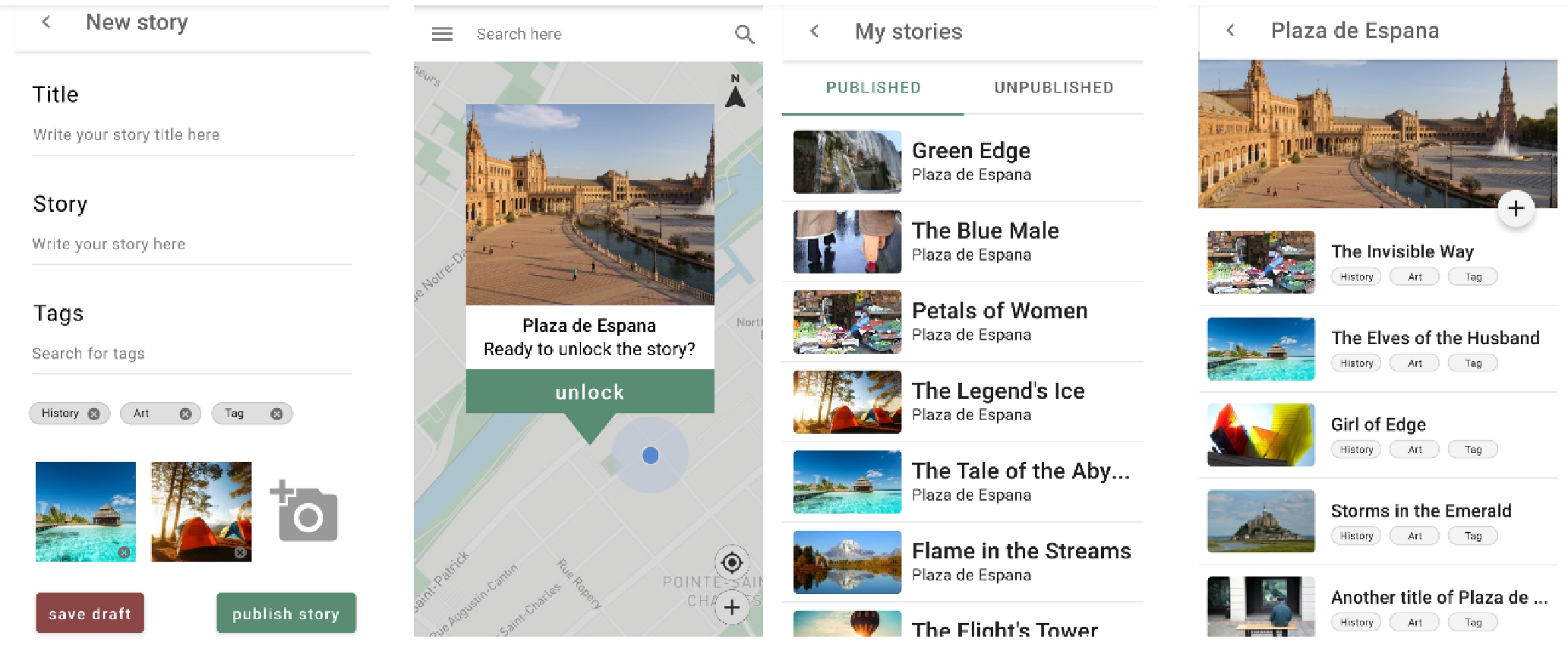 Figure 1: The StoryBee design recommendations for mobile ICH.
2. User Profiling
The paper categorizes crowdsourcers into profiles like "The Groupies" (map lovers seeking accuracy), "Casual Mappers" (people mapping during leisure), and "Media Mappers" (campaign-driven users). Each requires a different incentive:
- Intrinsic: Altruism, fun, and personal identity.
- Extrinsic: Reputation points, social recognition, and even monetary rewards.
Case Study: StoryBee
StoryBee was developed at Utrecht University to test these principles. Its standout feature is that it doesn't just ask for data; it offers an experience.
- Proximity Unlocking: Stories are only visible when the user is physically near the location, fostering a "treasure hunt" vibe.
- Smart Walks: Instead of a simple list, it suggests routes (Smart Walks) based on user interests and available time.
- The "Co-Experience": Unlike individualistic apps, StoryBee encourages people to communicate emotions and collectively craft the cultural narrative of the city.
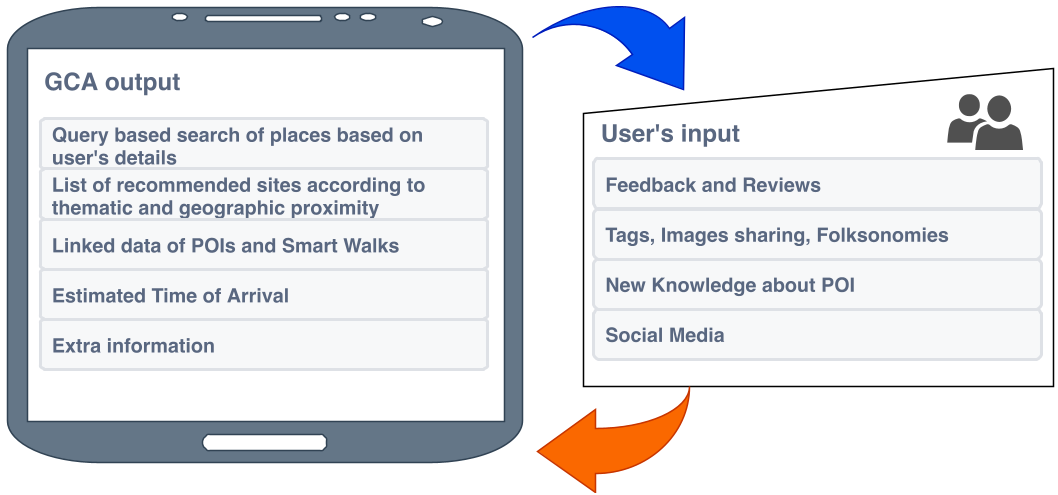 Figure 2: The geo-crowdsourcing life cycle, integrating user and context awareness.
Experiments & Insights
The research highlights that participation isn't constant. Data shows peaks in usage during "leisure gaps"—specifically around 10 AM and 2 PM (coffee and lunch breaks). Consequently, StoryBee is designed to minimize friction during these windows by using templates and the principle of passive mapping (where participation is a side effect of the user's current activity).
Feature-Motivation Mapping
The authors provide a detailed matrix (Table 3) linking app features to specific motivators:
| Feature | Primary Motivator |
|---|---|
| Map/Knowledge Discovery | Gaining new geo-spatial knowledge |
| Story Feedback/Comments | Reputation, Altruism, and Reciprocity |
| Gamified Trophies | Hedonistic gains and Personal enrichment |
Critical Insight & Future Outlook
The most profound takeaway is that high-quality crowdsourcing is not about the technology, but the transition of the user. By using the Transtheoretical Model, developers can guide a "Casual Mapper" into becoming a "Serious Expert" by gradually increasing the complexity of tasks as the user's loyalty grows.
However, the paper acknowledges a critical challenge: Sustainability. How do we maintain engagement once the "novelty" of the gamification wears off? Future work points toward integrating more robust Smart City infrastructures and IoT-based ambient intelligence to keep the ICH ecosystem alive and relevant for the next generation.
Conclusion
StoryBee represents a shift from "Data Collection" to "Cultural Continuity." By aligning mobile design with the deep-seated human need for story-telling and community belonging, we can ensure that the intangible heritage of our cities remains a living, breathing asset rather than a forgotten PDF in a government archive.