
Beyond the Like Button: Why Citizens Hesitate to Participate in Digital Municipal Governance
Municipalities e-Participation initiatives through Facebook: citizens perspective
This study investigates citizens' perceptions of municipality-sponsored e-Participation via Facebook, using a survey of 400 users in Jordan. While citizens maintain a positive attitude toward the concept, actual intention to participate remains modest due to skepticism regarding government commitment and managerial capability.
TL;DR
Expanding government presence on Facebook doesn't automatically translate to civic engagement. This research confirms that while citizens feel qualified to contribute, they remain skeptical of the "return on investment" for their time—doubting that municipalities have the actual will or skill to translate social media comments into real-world policy.
The "Participation Paradox"
Most e-Government research focuses on the "supply" side: Is the portal online? Is the UI friendly? However, this paper addresses the "demand" side. In Jordan, a country with 94% social media penetration among internet users, the "Participation Paradox" is evident: citizens find the idea of participating "good" (Attitude) and feel "well-qualified" (Ability), yet they show a hesitant Intention to participate in the near future.
Methodology: Measuring the Citizen Mindset
The study utilized a survey of 400 Jordanian citizens, ensuring a balanced mix of gender, education (80% holding degrees), and employment status. This is distinct from prior studies that relied heavily on student samples, offering a more robust view of the tax-paying public.
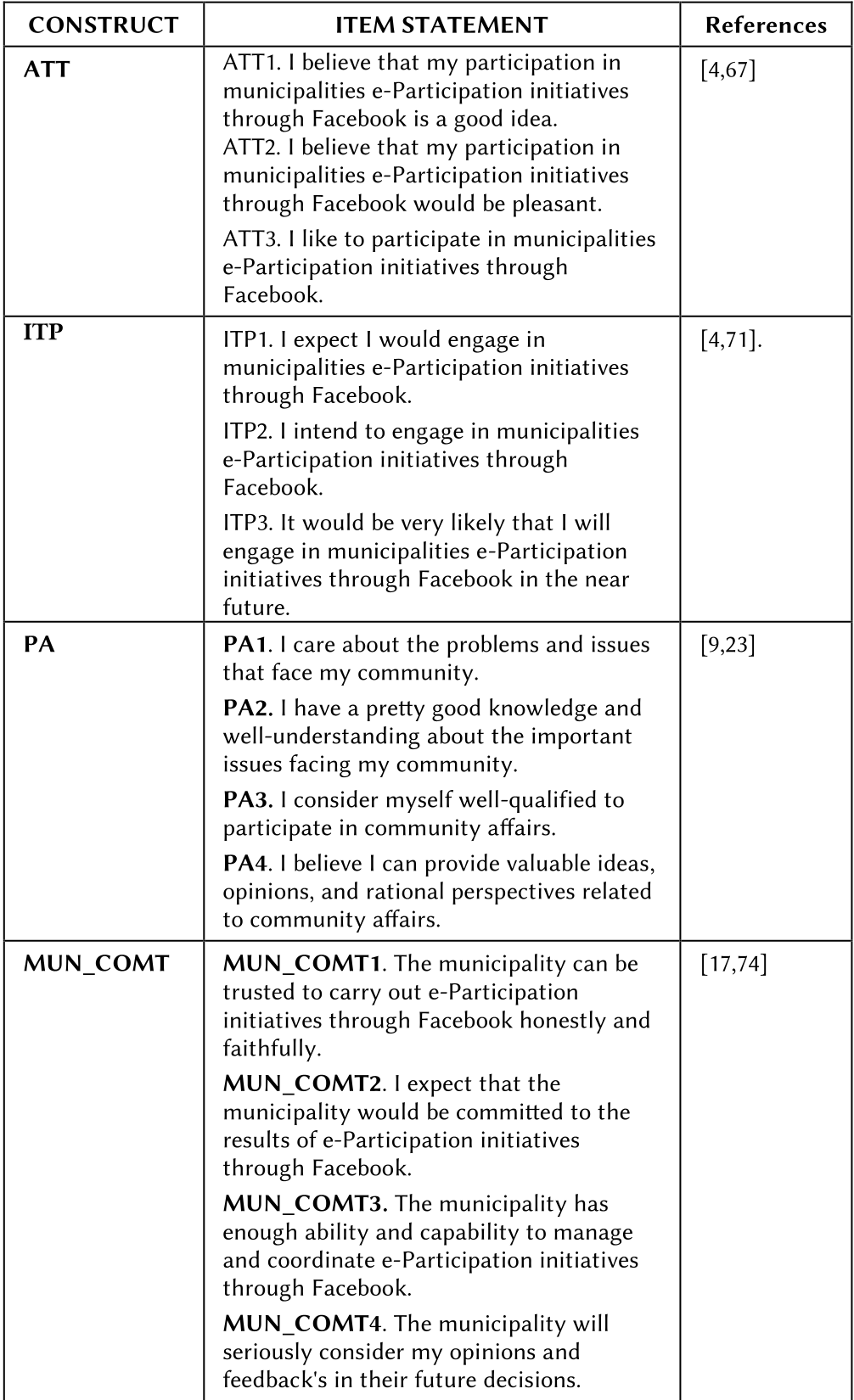
The researchers analyzed the following architecture of engagement:
- ATT (Attitude): Do they think it's a good idea?
- ITP (Intention to Participate): Do they plan to do it?
- PA (Participation Ability): Do they feel smart enough to contribute?
- MUN_COMT (Municipal Commitment): Do they trust the government to listen?
Key Insights: The Trust Gap
The data reveals a stark contrast between self-confidence and institutional trust:
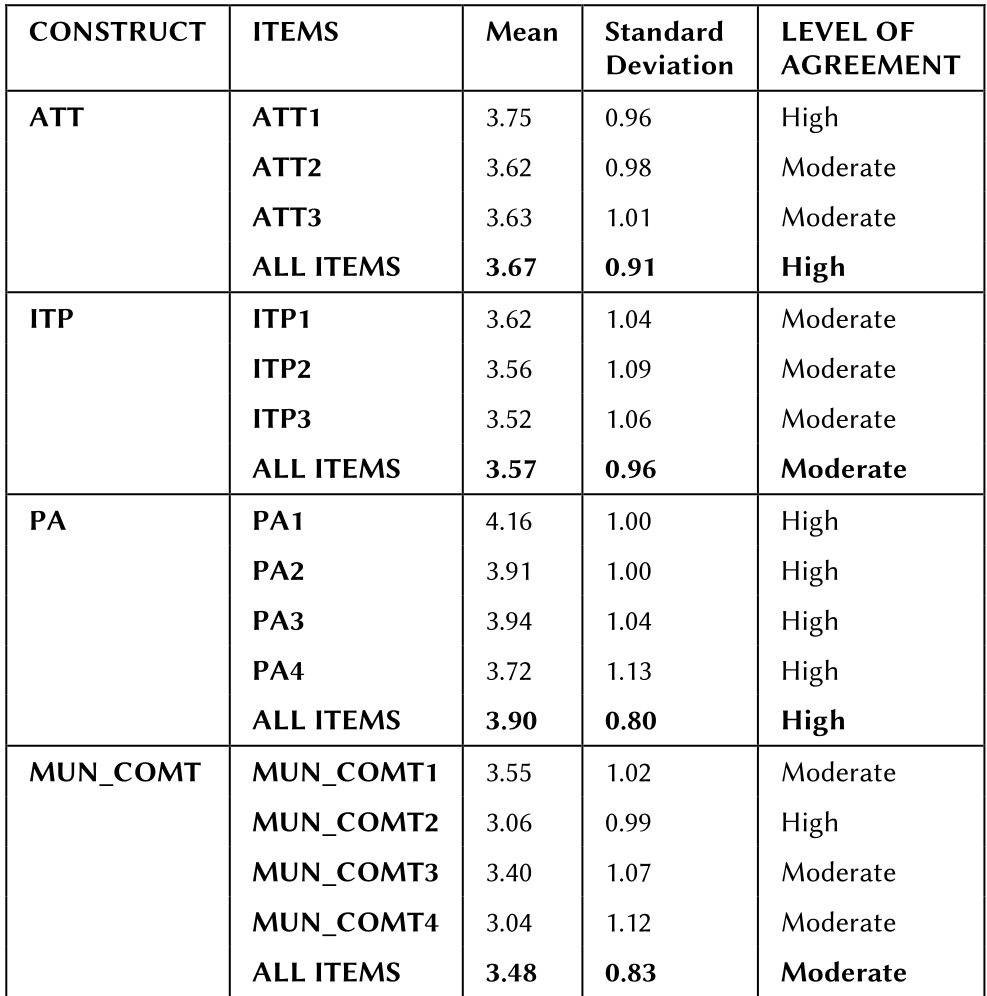
- High Internal Efficacy: Citizens care deeply about community problems (Mean: 4.16) and believe they can provide valuable ideas (Mean: 3.72).
- The "Window Dressing" Fear: The lowest scores in the entire study belonged to MUN_COMT4 (Mean: 3.04)—the belief that the municipality will seriously consider opinions in future decisions.
This suggests that citizens perceive municipal Facebook pages as "window dressing"—tools for the government to look modern or rank higher in UN indices without actually surrendering any decision-making power.
Why Conventional SOTA Methods Fail
The "State-of-the-Art" in many municipalities has been a "Push Strategy": treating Facebook as a digital bulletin board.
The study highlights two critical failures:
- Managerial Latency: Government employees often lack the specialized skills to manage deliberative discourse, leading to an experience that is neither "pleasant" nor "efficient" for the citizen.
- The Feedback Void: When citizens post and hear nothing back—or see no policy changes—their intention to participate in the "near future" (ITP3) drops significantly.
Takeaway for Policy Makers
To move from "likes" to "deliberation," municipalities must:
- Demonstrate Impact: Publish reports showing how specific Facebook discussions led to specific council decisions.
- Prioritize Vital Subjects: Don't just post holiday hours; discuss housing, health, and local laws that directly impact citizens' interests.
- Build Administrative Capacity: Digital participation requires "moderators," not just "IT staff."
Critical Perspective & Limitations
While the study provides a vital snapshot of Jordan, it acknowledges the limitations of focusing solely on Facebook. Future research should explore if more professional or decentralized platforms (like Twitter or Discord) reduce the "distrust" factor or if the medium itself is less important than the perceived "honesty" of the political actor.
Conclusion: Digital democracy is 10% technology and 90% trust. Without a transparent "feedback loop," social media remains a broadcast tool rather than a participation engine.