
NEIMiner: Bridging the Gap Between Nanotechnology and Environmental Safety Through Model-Driven Mining
NEIMiner: A model driven data mining system for studying environmental impact of nanomaterials
NEIMiner is a model-driven data mining system designed to study the environmental impact of engineered nanomaterials (eNM). It integrates heterogeneous data sources via web scraping and CMS-based management, employing a meta-learning optimization engine (ABMiner) to achieve SOTA predictive modeling for nanoparticle toxicity.
TL;DR
NEIMiner is a comprehensive system designed to predict the environmental impact of nanomaterials (eNM). By integrating heterogeneous data sources and leveraging an agent-based meta-optimization engine, it transforms fragmented experimental data into high-accuracy predictive models for toxicity and risk assessment.
Background & Motivation
As engineered nanomaterials (eNM) become ubiquitous in industrial applications, understanding their "environmental fate"—how they move through ecosystems and interact with organisms—is a critical regulatory challenge. Historically, the field has suffered from Data Silos: experiment results are scattered across the web in different formats. Furthermore, the high-dimensional nature of nanomaterial attributes (size, shape, surface charge) combined with sparse biological response data makes traditional manual modeling insufficient.
Methodology: The Four Pillars of NEIMiner
The authors propose a modular architecture to move from raw data to actionable risk models:
- NEI Modeling Framework: A strategic layer that defines how disparate models (e.g., transport, uptake, toxicity) are chained together.
- Data Integration: Uses automated web scraping and web services to aggregate bibliographic and characterization data from various research repositories.
- Data Management (The CMS Approach): Uniquely, the authors extended the Drupal CMS to handle complex NEI data structures. This allows for faceted search, user-role management (Policy makers vs. Nano experts), and easy data visualization.
- Model Discovery (ABMiner): This is the "brain" of the system. It uses meta-optimization to search through a library of algorithms (SVM, Random Forests, etc.) and fine-tune their parameters automatically.
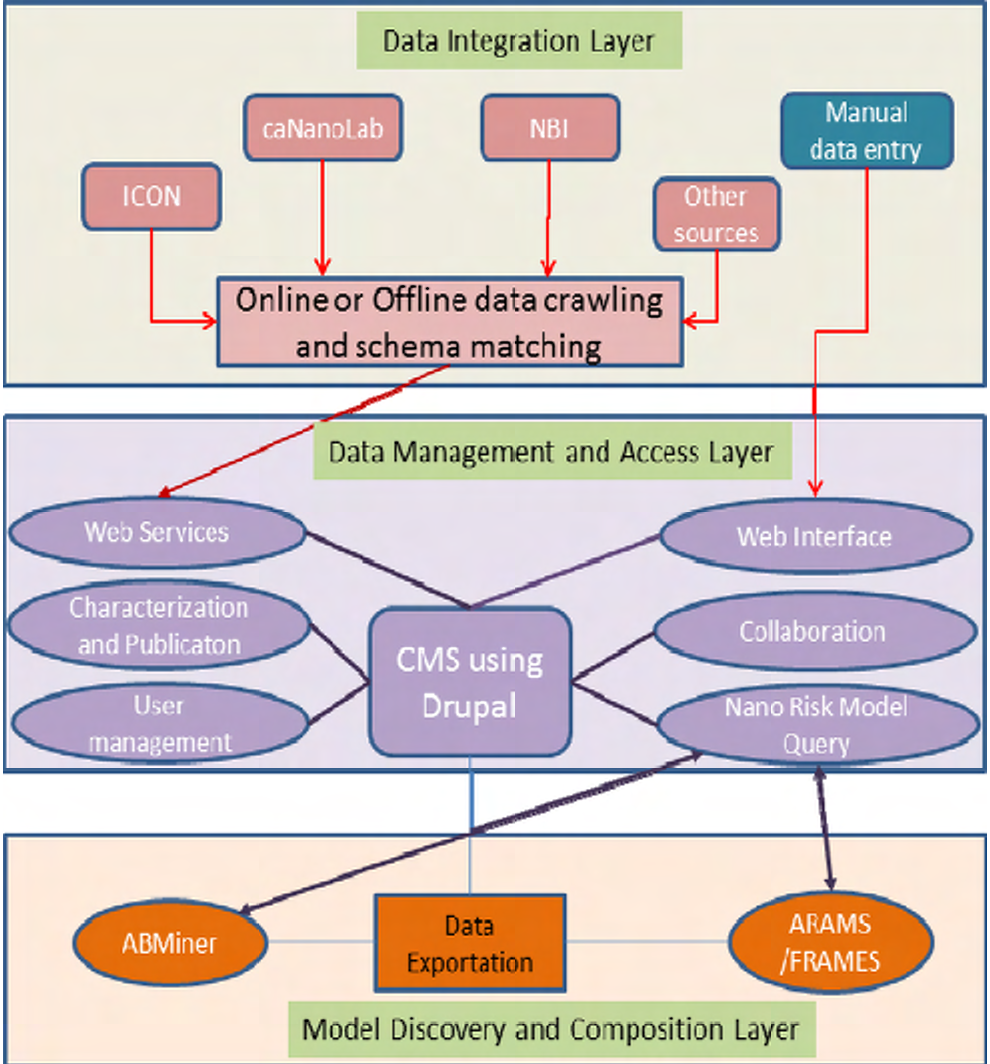 Figure 1: The model-driven architecture of the NEIMiner system.
The Core Engine: Meta-Optimization
The standout technical feature is the use of ABMiner. Instead of relying on a single algorithm, the system treats model selection as an optimization problem. It iterates through various configurations to find the learner that minimizes Relative Absolute Error (RAE) for specific datasets, such as the embryonic zebrafish assay.
Experiments and Results
To validate the system, the authors tested 18 different learners on characterization data. The experimental results showed that complex learners like MSP and MSRules achieved a correlation of above 0.83, whereas simpler models like DecisionStumps or Linear Regression performed significantly worse.
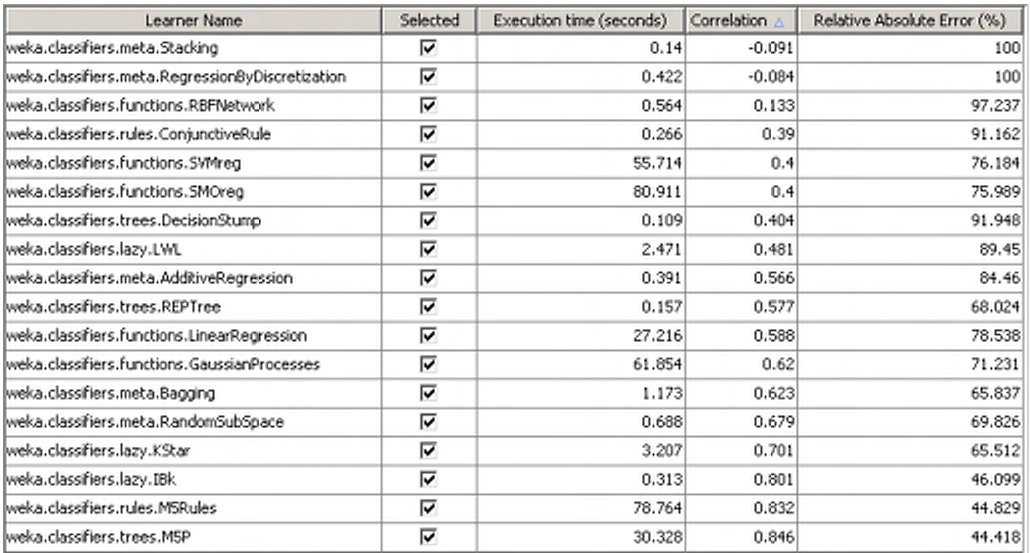 Table 1: Performance comparison of different learners within the NEIMiner framework.
Key findings from the ablation:
- Algorithm Selection Matters: There is a massive variance in execution time vs. accuracy (e.g., SVMreg taking 55s vs. MSP taking 30s for better accuracy).
- Data Sparsity: Meta-learners are better at handling the "small data, high dimensionality" problem inherent in NEI.
Critical Analysis & Conclusion
Takeaway
NEIMiner provides a blueprint for "Nanoinformatics"—a field where the bottleneck isn't just generating data, but organizing and modeling it. By using a CMS for the frontend and an optimization engine for the backend, they create a scalable tool for policymakers.
Limitations
- Data Scope: The current prototype relies heavily on zebrafish assays. Expanding to human health impacts (Nano-SAR) remains a future challenge.
- Complexity: Chaining multiple models in a "process graph" (Model Composition) is theoretically sound but requires significant validation to ensure error propagation doesn't invalidate the results.
Future Outlook
The authors aim to align NEIMiner with the Nanoinformatics 2020 Roadmap, focusing on data verification and sharing. As more structured data becomes available, the "Model Driven" approach of NEIMiner will be essential for real-time environmental risk mitigation.