
Beyond the Gig: How TC Entrepreneurs Leverage Social Egonets for Field Leadership
Networking in a Field of Introverts: The Egonets, Networking Practices, and Networking Technologies of Technical Communication Entrepreneurs
The study investigates the professional networking practices of established entrepreneurs in Technical Communication (TC). Using qualitative semistructured interviews with eight industry leaders, the authors identified how "egonets" (individual social networks) and specific information technologies sustain independent careers and influence the broader professional field.
TL;DR
Independence in Technical Communication (TC) is often framed as a struggle for survival, yet a new study by Lauren and Pigg reveals that successful entrepreneurs don't just find clients—they build "egonets." By treating networking as a form of "knowledge brokering" rather than simple marketing, these practitioners evolve the field while sustaining their businesses through transactional, learning-based, and exponential reputation-building practices.
Academic Positioning: This study moves beyond descriptive surveys to offer a qualitative, Social Network Analysis (SNA)-informed framework for understanding the "networked individualism" that defines modern knowledge work in TC.
The "Introvert" Trap: Why Networking is the True Career Catalyst
Technical Communication has long been perceived as a field of introverts, where practitioners often work in isolation—either within "captive" corporate environments or as independent freelancers. However, the rise of the "alternative" labor force (contractors who intentionally choose independence) creates a paradox: how do you maintain professional relevance and financial growth without a centralized organization?
The authors argue that the pain point isn't just "finding work," but the risk of intellectual insularity. Traditional methods—cold calling or simple advertisements—account for only a fraction of success. The real engine of growth is the egonet: the focal actor’s web of strong, weak, and latent ties.
Methodology: Mapping the Social Fabric
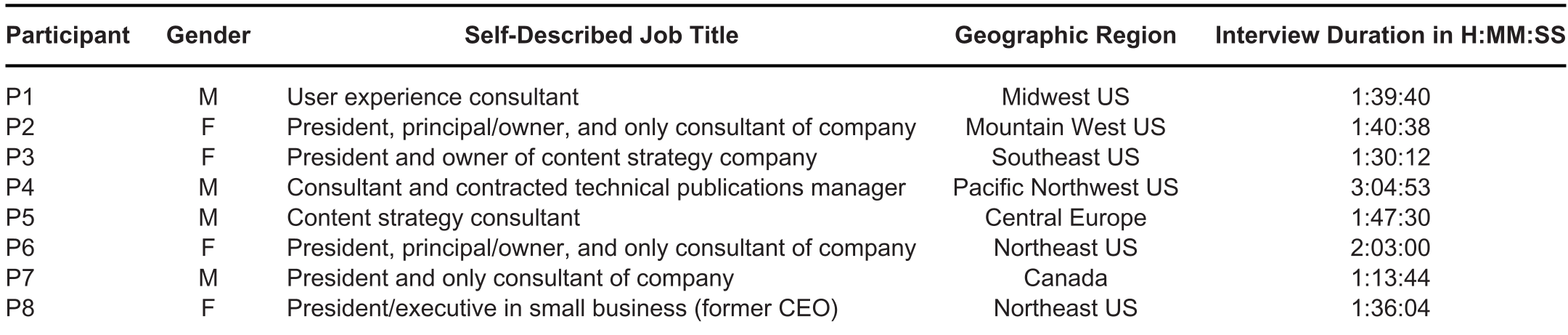
To decode this, the researchers interviewed eight high-level entrepreneurs (four men, four women) across North America and Europe. They utilized "tie-prompting" to help participants visualize their social resources across a 20-year career arc.
Core Insight: Three Modes of Networking
The most striking methodology finding is that networking isn't a monolith. It operates in three distinct layers:
- Transactional Exchanges: Direct coordination with clients and subcontractors via Skype or Slack. This keeps the daily lights on.
- Learning Connections: Using professional organizations (like STC) and social feeds to solve project-specific problems. Here, networking is a form of ongoing, "semi-formal" education.
- Exponential Network Effects: This is the "secret sauce." Participants engage in writing books, speaking at conferences, and "paying it forward."
- The Intuition: You don't speak at a conference to get a client in the room; you speak so that someone in the room mentions your name to a third person six months later. This creates "second- and third-degree networking" leads.
The Role of Technology: From Rolodex to Infrastructure
The study highlights that while LinkedIn acts as a modern "Rolodex," the true technological shift was the commoditization of infrastructure. High-speed internet and the Web allowed these entrepreneurs to have a global reach with virtually zero overhead.
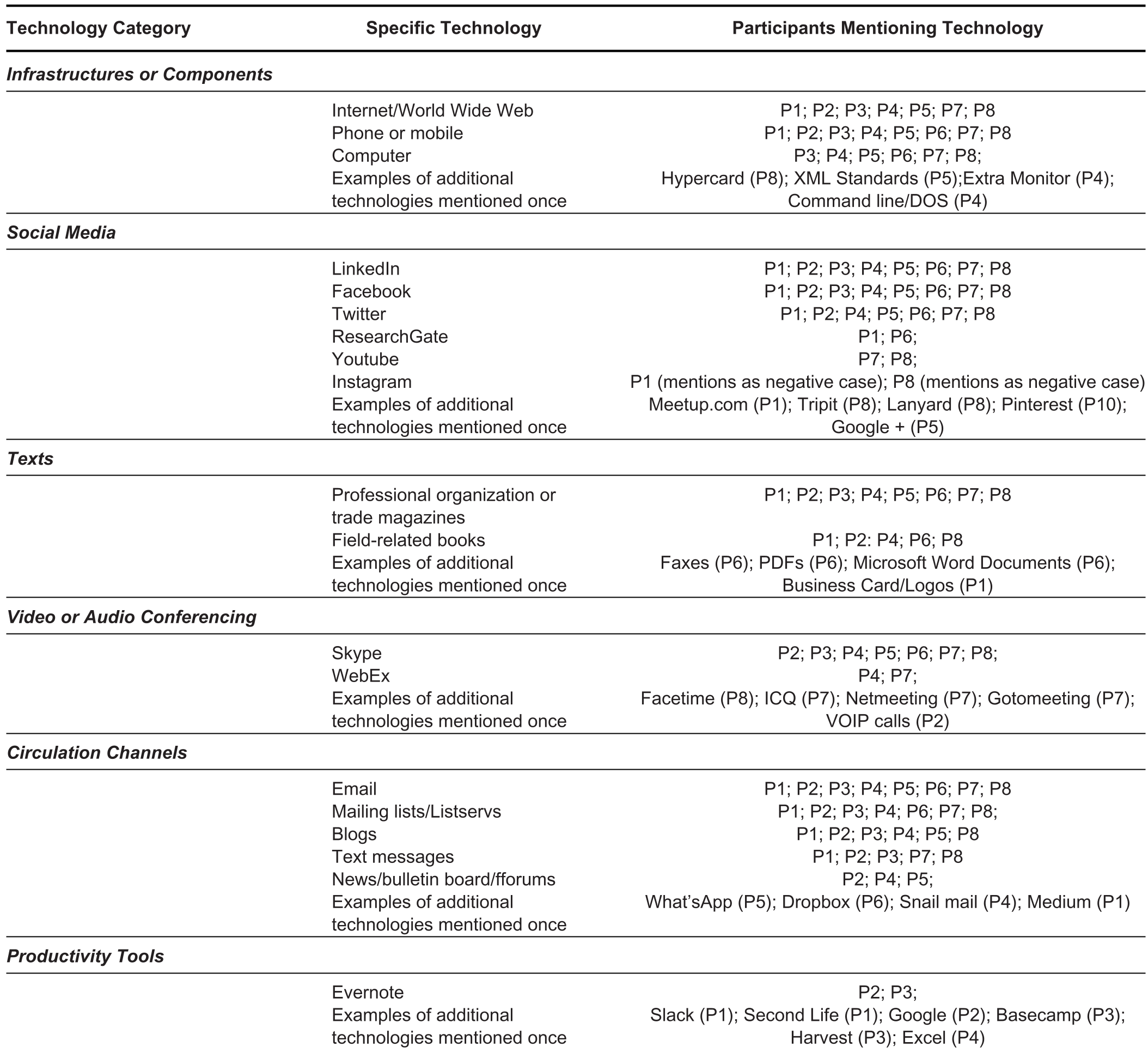
As noted by the participants, technology like video-teleconferencing (Skype/WebEx) was a "huge differentiator," moving remote work from expensive, hardware-locked rooms to a seamless, daily interaction that overcomes the isolation of being a "solopreneur."
Critical Analysis: Networking as Field Advocacy
The study’s most profound conclusion is that these entrepreneurs are not just business owners—they are knowledge brokers. Because they operate across the edges of multiple companies and sub-disciplines (UX, Information Architecture, Content Strategy), they circulate innovations faster than captive employees.
Limitations to Consider: The study focuses on successful entrepreneurs with over 10 years of experience. For those in "precarious" contingent labor (short-term, involuntary contracting), the luxury of spending a "reading day" to tweet about seven articles may not exist. Their egonets might look more like survival nets than expansion nets.
Conclusion: A New Pedagogy for TC
The takeaway for the industry is clear: we must stop teaching networking as a "climbing the ladder" skill and start teaching it as a collective intelligence strategy. To succeed in the era of "All Edge" workplace networks, the technical communicator must move from introversion to active, communicative field-building.
Key Takeaways for Practitioners:
- Cultivate Latent Ties: Join professional organizations not for the "content," but for the infrastructure of potential connections.
- Focus on Indirect Leads: Authority (through writing and speaking) generates "buzz" that converts into business through third-degree referrals.
- Bridge the Subgroups: Be the person who connects the "design people" with the "writing people." Strategic bridging increases your social capital.