
iNoiseMapping: Transforming Smartphones into Urban Acoustic Sensors for Smart Cities
Noise Mapping Through Mobile Crowdsourcing for Enhanced Living Environments
This paper introduces iNoiseMapping, a mobile crowdsourcing solution designed for environmental noise monitoring within Smart City frameworks. By leveraging smartphone sensors (GPS and microphones) and participatory sensing, the system generates real-time, high-resolution noise maps to mitigate the health risks associated with acoustic pollution.
TL;DR
Environmental noise is more than a nuisance; it’s a public health crisis linked to hypertension and cognitive decline. iNoiseMapping breaks the limitations of expensive, static official noise maps by enabling citizens to use their smartphones as distributed sensors. This crowdsourcing approach provides high-resolution, real-time spatio-temporal data, allowing city planners to make surgical interventions in urban design.
The "Invisible" Health Crisis
Current urban noise maps are often "frozen in time." Traditional methodologies focus on predictable sources like railways or highways but ignore the chaotic, shifting noise of a living city. Research has shown that long-term exposure to these ignored noises can lead to arterial stiffness, sleep disturbances, and even preeclampsia in pregnant women. The problem isn't just the noise—it's the lack of data to track it effectively.
Methodology: The Power of Participatory Sensing
The authors suggest that the solution is already in our pockets. Modern smartphones possess sophisticated hardware—GPS for location and high-fidelity microphones—that can rival mid-range decibel meters when properly calibrated.
System Architecture
The iNoiseMapping ecosystem uses a robust three-tier architecture:
- Client Tier (iOS Application): Built using Apple's AVFoundation and CoreAudio, the app ensures low-level hardware access for precise sound pressure level (SPL) readings.
- Communication Tier: Secure PHP Web Services using HTTPS to ensure data integrity and user privacy.
- Storage Tier: A MySQL relational database capable of handling massive simultaneous connections from a "crowd" of users.
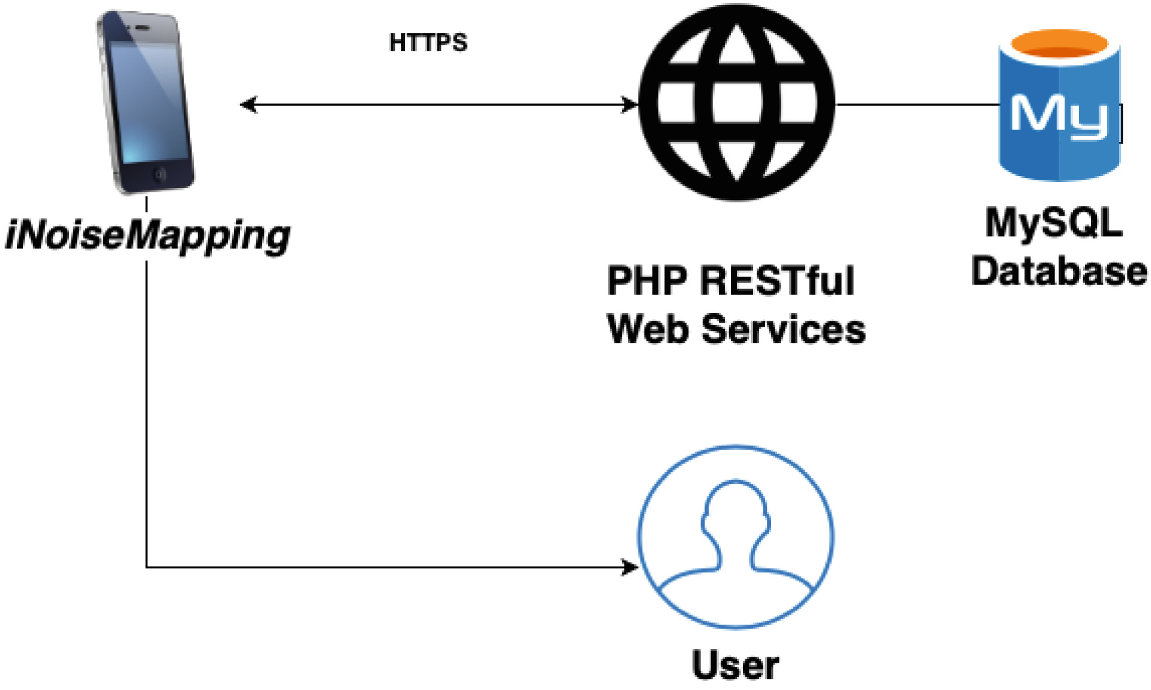 Figure 1: The architecture of the iNoiseMapping system, showing the flow from mobile sensing to database storage.
Why iOS?
Interestingly, the researchers opted for an iOS-exclusive launch based on prior validation studies. Testing conducted across 100 different phones in reverberation rooms indicated that iOS applications consistently achieve higher accuracy in decibel measurement compared to the fragmented Android ecosystem.
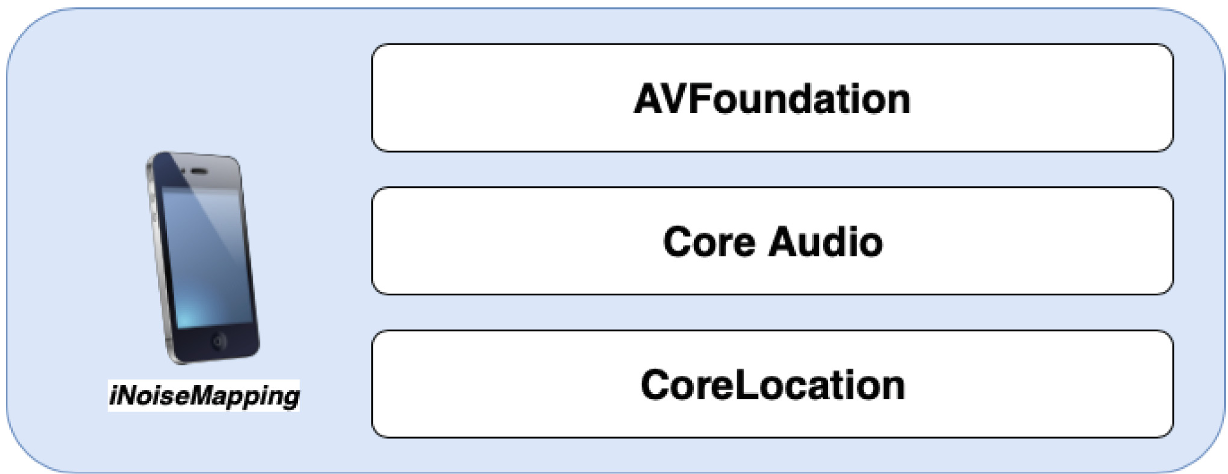 Figure 2: Utilizing native frameworks like CoreLocation and AVFoundation for high-fidelity data collection.
Results & Discussion: Turning Data into Action
The application provides a dual-interface: a Map View for consulting community-collected data and a Sound Analysis Scene for real-time contribution.
The impact of this approach is two-fold:
- For the Citizen: It raises awareness. Users can check the "health" of their current environment in dBA in real-time.
- For the City Manager: It provides a decision-making dashboard. If multiple users report high noise levels in an industrial zone at 3 AM, the city can initiate a targeted inspection. If noise peaks align with traffic patterns, it suggests a need for re-routing or sound-absorbing asphalt.
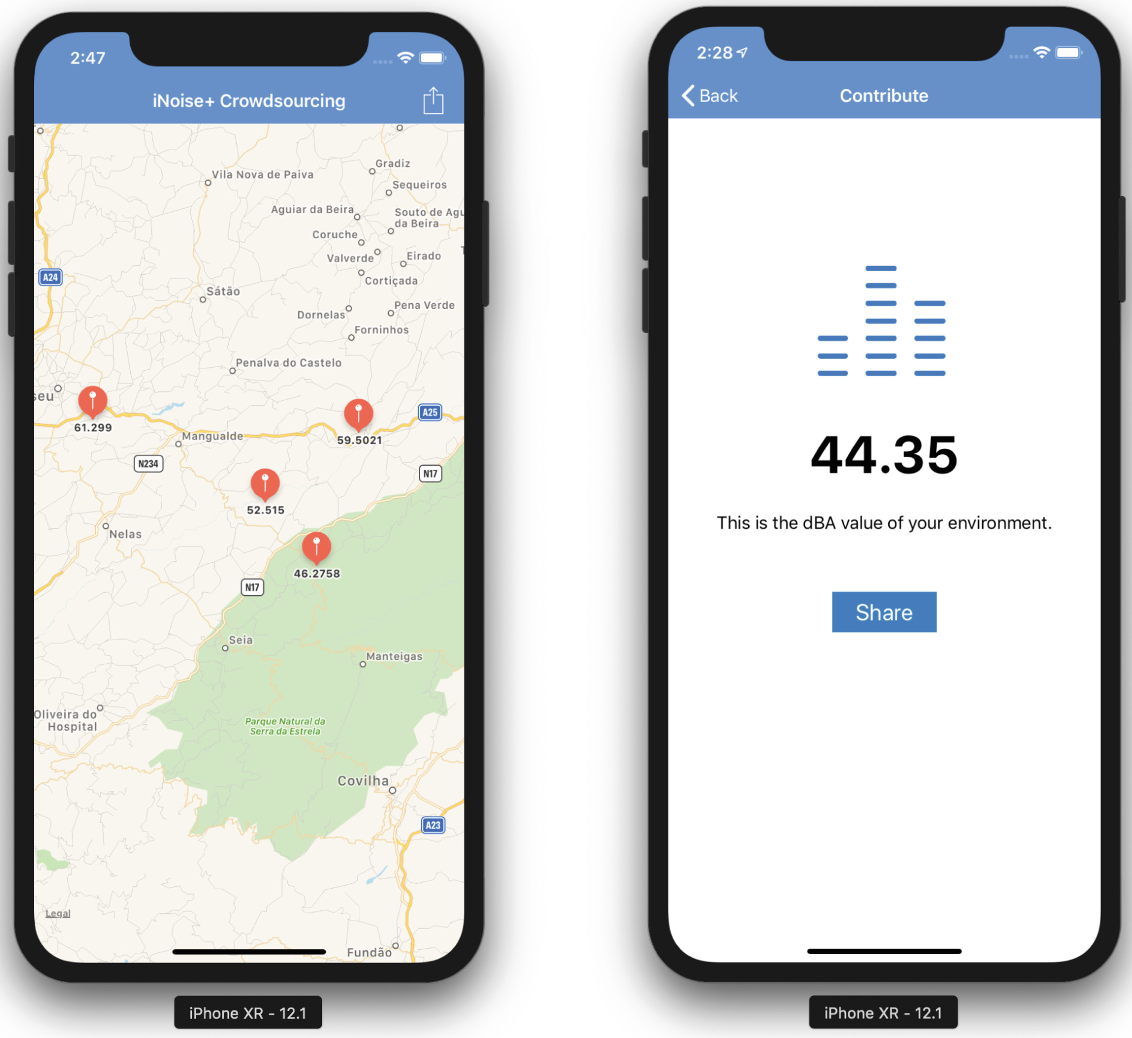 Figure 3: The user interface—mapping historical data (left) and real-time dBA sampling (right).
Critical Insight & Future Outlook
While iNoiseMapping solves the cost and latency issues of traditional mapping, its success depends on user adoption. With studies showing 80% of citizens are unwilling to pay for noise-control policies, "free" crowdsourced data is the only viable path forward.
Future Directions: The authors plan to integrate automated alerts for municipal authorities and specialized "management portals" for deeper analytics. The shift from "sensing" to "reacting" in real-time is the final hurdle in making smart cities truly habitable.
Conclusion
By treating citizens not just as residents, but as active participants in the Internet of Everything, iNoiseMapping provides a template for how smart cities can solve complex environmental health issues through the power of the crowd.