
Digital Leapfrogging: Using AI to Solve the 'Iron Triangle' in Montenegro
The Application of Novel Information Technologies in the Health and Educational Systems of Montenegro Review
This review paper outlines a strategic framework for implementing Artificial Intelligence (AI), Machine Learning (ML), and Information Communication Technologies (ICT) in Montenegro's healthcare and education sectors. It proposes the adoption of Clinical Decision Support Systems (CDSS) and adaptive learning modules to overcome systemic resource shortages and geographical barriers.
TL;DR
Montenegro is at a critical juncture where traditional infrastructure cannot keep pace with the needs of its citizens. This paper explores how AI and ICT can "leapfrog" these transitions, transforming healthcare through clinical decision support and revolutionizing education with adaptive, personalized learning models.
Background: The Prosperity Gap and the Iron Triangle
A child born in Montenegro today is estimated to reach only 62% of their adult productive potential compared to peers in top-ranked nations. The barrier is what economists call the "Iron Triangle": the interlocking levers of access, affordability, and effectiveness. In traditional systems, improving one usually degrades the others. For example, hiring more doctors (improving effectiveness/access) increases costs (harming affordability).
The author argues that AI is uniquely poised to break this triangle by creating high-impact, low-cost digital solutions that function even in resource-poor rural areas.
I. Healthcare: From Emigration to Augmentation
The Montenegrin healthcare system suffers from "physician flight," where low pay drives specialists to the private sector or abroad. This leaves primary care facilities understaffed and rural patients traveling hours for basic consultations.
The Strategy: Digital Specialists
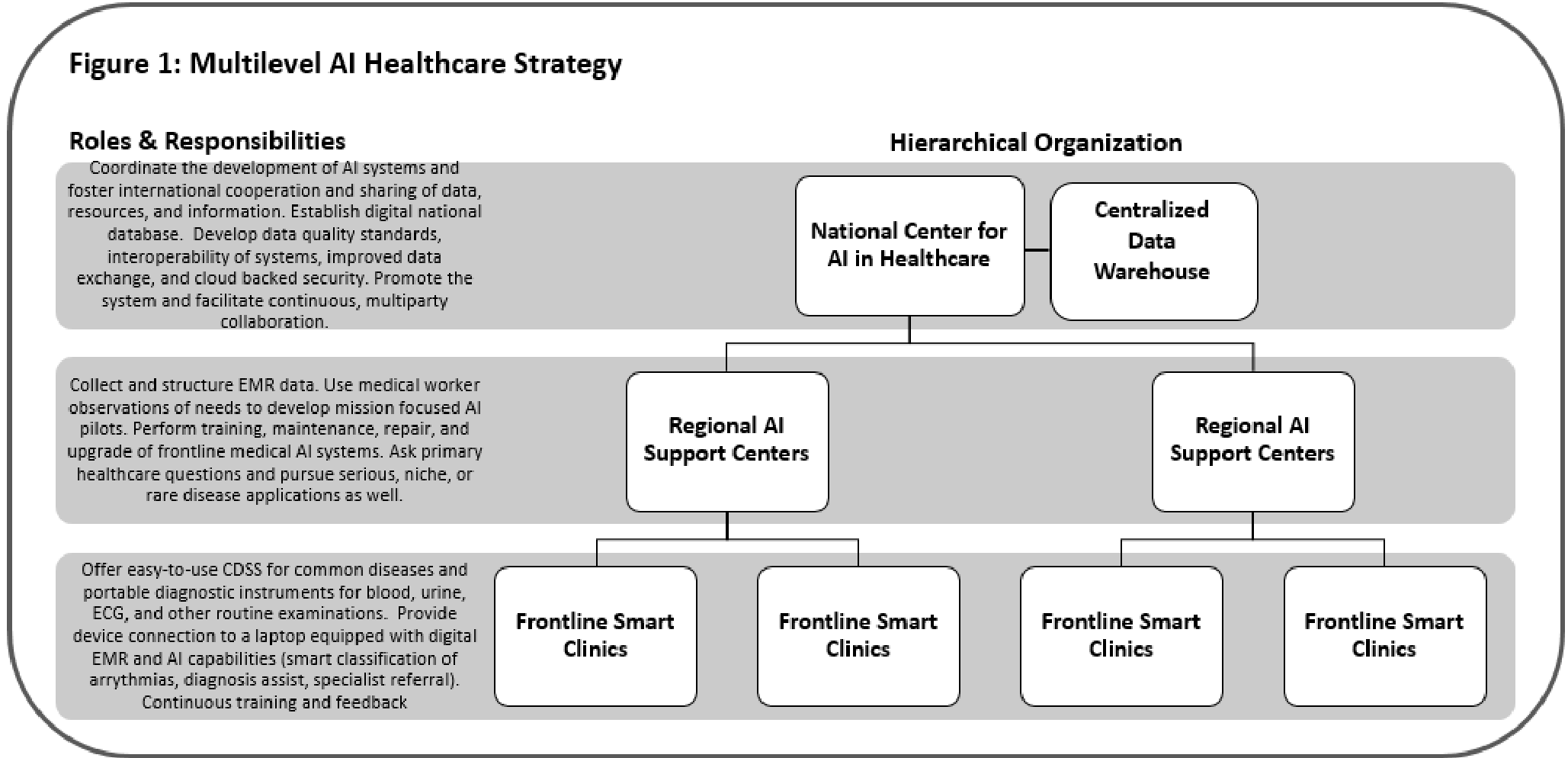
The paper proposes a hierarchical shift toward Clinical Decision Support Systems (CDSS). Instead of waiting for a specialist who may never arrive, local practitioners can use CDSS as a "digital specialist."
- Data as the Engine: The first step is the full implementation of Electronic Medical Records (EMR). Models trained on just two years of EMR data can predict patient-specific risks for heart failure and stroke.
- Low-Cost Diagnostics: The study highlights AI-driven tools—like phone attachments for cervical cancer screening and robotic capsules for gastric cancer—that replace million-dollar equipment with mobile software.
II. Education: Personalizing the Classroom
Education in Montenegro faces a 3.8-year gap between "years of schooling" and "effective years of learning." With some of the highest pupil-to-teacher ratios in the region, teachers are overwhelmed.
The Open Online & Adaptive Model
The proposed solution isn't just "recording lectures," but moving toward Adaptive Learning.
- Open Online Teaching: Shifting the teacher's role from a "lecturer" to a "facilitator." Students use high-quality global platforms (Khan Academy, Coursera) while the local teacher provides contextual guidance.
- The AI Playlist: Future systems will use algorithms to create a daily "customized playlist" for each student. If a student struggles with fractions but excels at visual puzzles, the AI adjusts the content delivery to match their cognitive style.
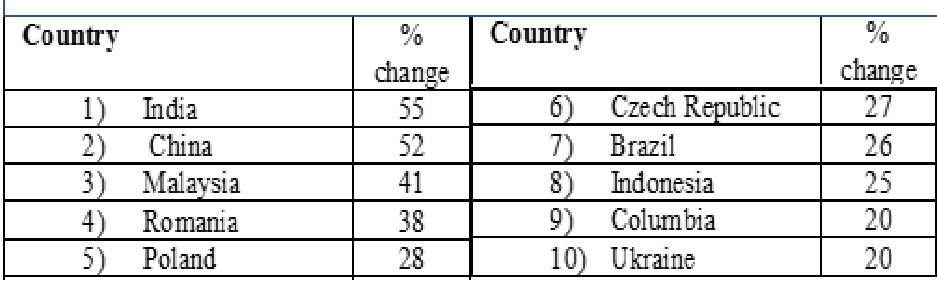 Table 1: Rapid growth of e-learning in developing economies, indicating a global shift that Montenegro can capitalize on.
Critical Analysis & Insight
The paper’s most profound insight is that AI is not "plug-and-play." The author emphasizes that sophistication is not a prerequisite for adoption. You do not need a perfect system to begin collecting the data that will eventually power it.
Limitations: While the framework is strong, the "human-centered" factor remains the biggest hurdle. Montenegro’s physicians are among the lowest-paid in Europe; technology cannot solely solve the motivation gap. Furthermore, the paper briefly touches on data privacy, but in a small nation, the risks of centralized sensitive biological data require much more robust legislative discussion.
Conclusion
The transition of Montenegro from a post-communist economy to a high-tech society requires more than just money; it requires a cultural shift. By treating AI as a "force multiplier" for existing healthcare workers and educators, Montenegro can close the prosperity gap and provide its youth with a pathway to the global digital economy.