
One Profile, Many Memories: Redesigning the Instagram Digital Legacy
One Profile, Many Memories: Projecting Memorials for Instagram via Participatory Design
2021-01-01
Summary
Problem
Method
Results
Takeaways
Abstract
This research proposes a qualitative framework and interface redesign for Instagram to address the management of digital memorials. Using Participatory Design (PD), the authors developed a set of 18 functional requirements and medium-fidelity prototypes to better manage a user's digital legacy while preserving identity, volition, and privacy.
## TL;DR
Death in the digital age is messy. This paper tackles the "digital remains" problem on Instagram, proposing a system where users can pre-configure their posthumous identity. Through Participatory Design, the researchers created a roadmap for "Digital Heirs" and "Memorial Settings" that transform a static profile into a living memorial.
**Academic Positioning**: This is a Human-Computer Interaction (HCI) study that bridges the gap between legal privacy concepts and UX design, focusing on the preservation of *volition* (the power of choice).
## The Problem: The "Ghost" in the Feed
On Instagram, a profile of a deceased person often looks identical to a living one. There is no clear distinction, no way for heirs to manage the content effectively, and—crucially—no way for the user to decide what happens *before* they pass away. Currently, families must fill out a form after the fact, which is reactive rather than proactive.
The authors identify three core pillars that are currently failing:
1. **Identity**: How to keep representing the person accurately?
2. **Volition**: How to ensure the user's choices are respected post-mortem?
3. **Privacy**: Who gets to see the data and for how long?
## Methodology: Designing for the End-of-Life
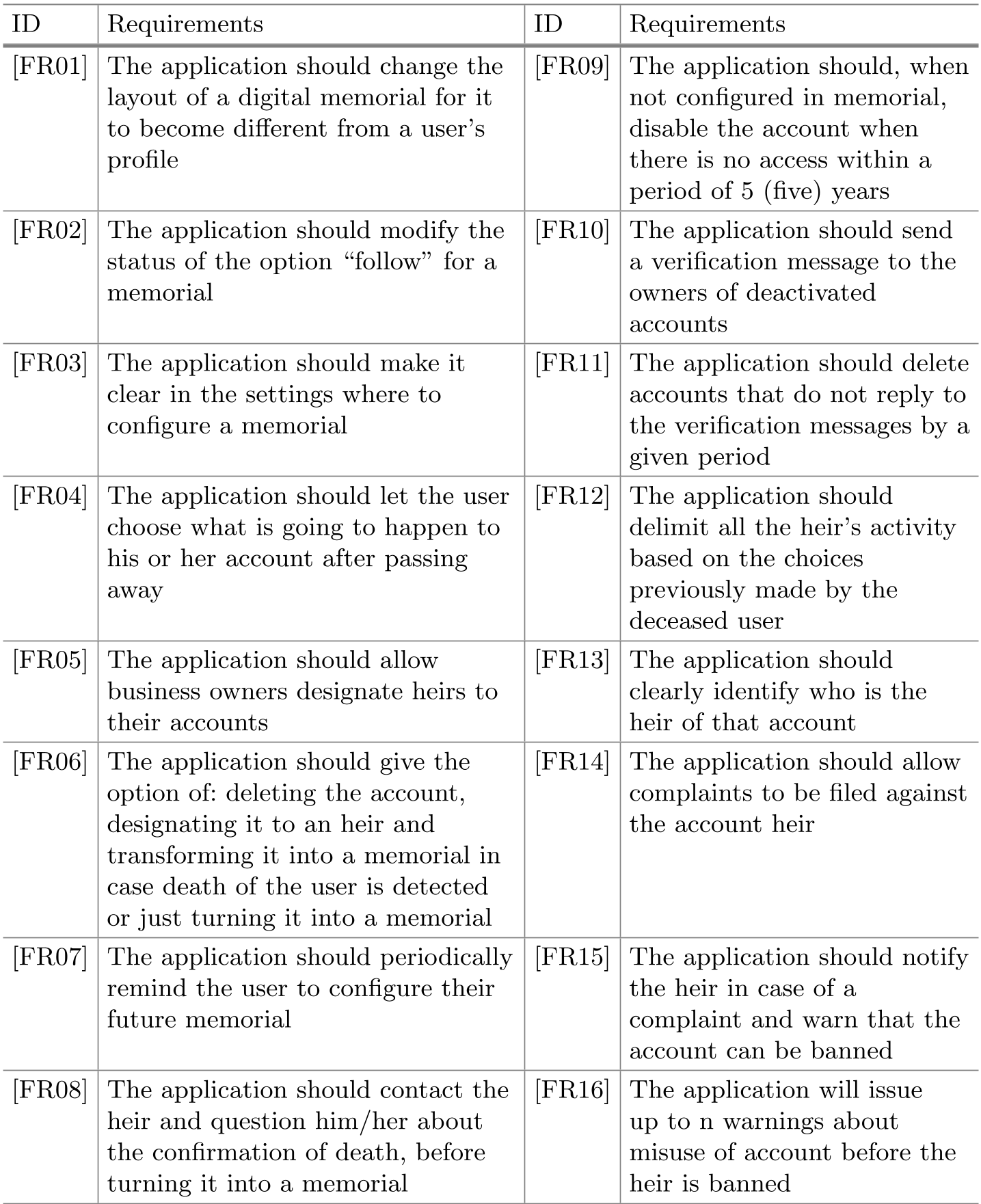
The researchers didn't just guess what users wanted; they used **Participatory Design (PD)**. They organized focus groups to brainstorm requirements and draw low-fidelity paper prototypes.
### Key Requirements Emerged:
* **FR01**: Change the layout of a memorial to distinguish it from an active profile.
* **FR04**: Let the user choose the account's fate (delete, designate heir, or memorialize).
* **FR08**: The system must verify death via an heir or a 5-year inactivity algorithm.
* **FR12**: Delimit heir activity based on the user's pre-set permissions.
## The Core Innovation: The "Digital Heir" Interface
The most striking part of the methodology is the shift in power. Instead of the social network owning the data, the user delegates specific "permissions" to a Digital Heir.
### Architecture of a Memorial
The authors proposed a "Memorial Settings" menu within the Instagram app. This allowed for:
* **Symbolic Markers**: Changing "Publications" to "Memories" and adding visual cues like flowers or "In memory of..." labels.
* **Heir Permissions**: A toggle system where a user can allow or ban an heir from posting new photos, changing the profile picture, or reading DMs.
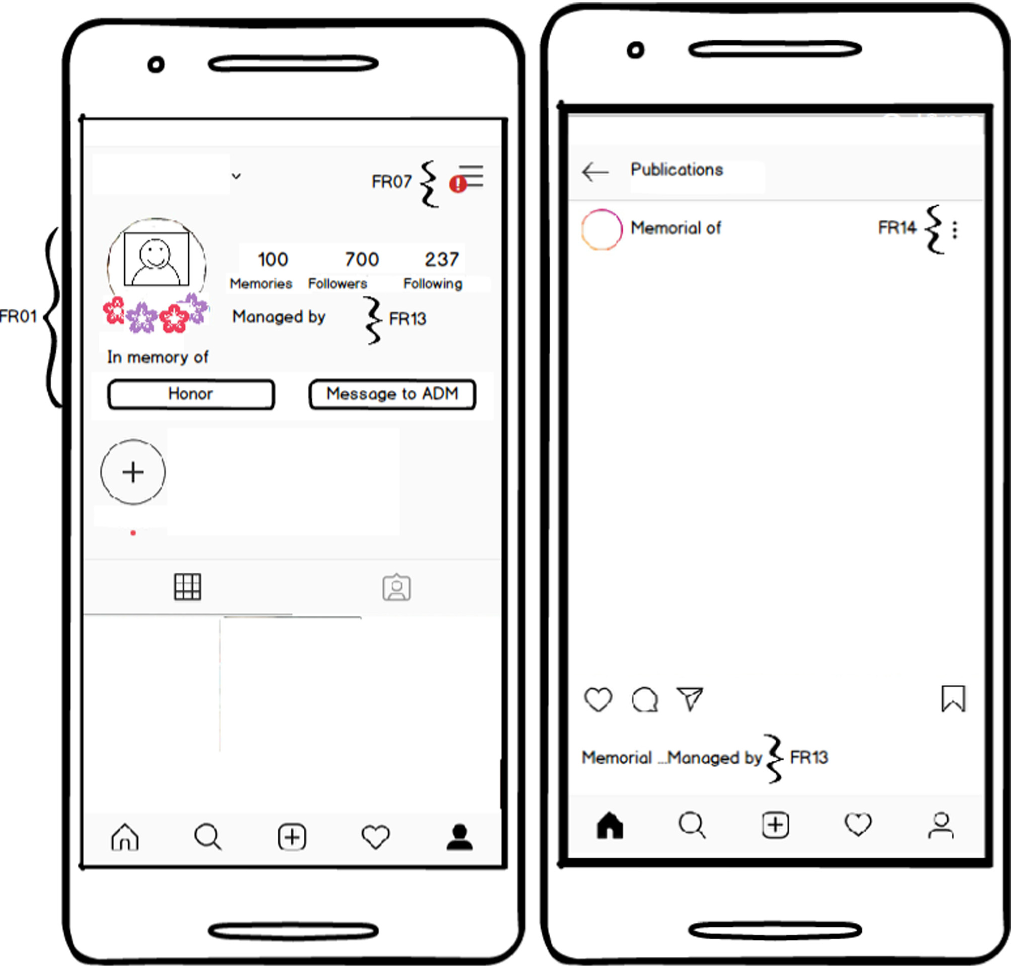
*Fig 1: The transition from a standard profile to a memorialized one, emphasizing markers of respect and the heir's identity.*
## Experiments and Results
The focus group participants successfully mapped out the "User Path" for setting up these memorials. They argued that while "Settings" on Instagram are often confusing (NFR01), digital legacy options must be prominent.
The result was a medium-fidelity prototype created in Balsamiq that streamlines the designation of an heir using the user's existing "Following" list. This avoids privacy issues of providing external contact data (like emails or phone numbers) to Meta.
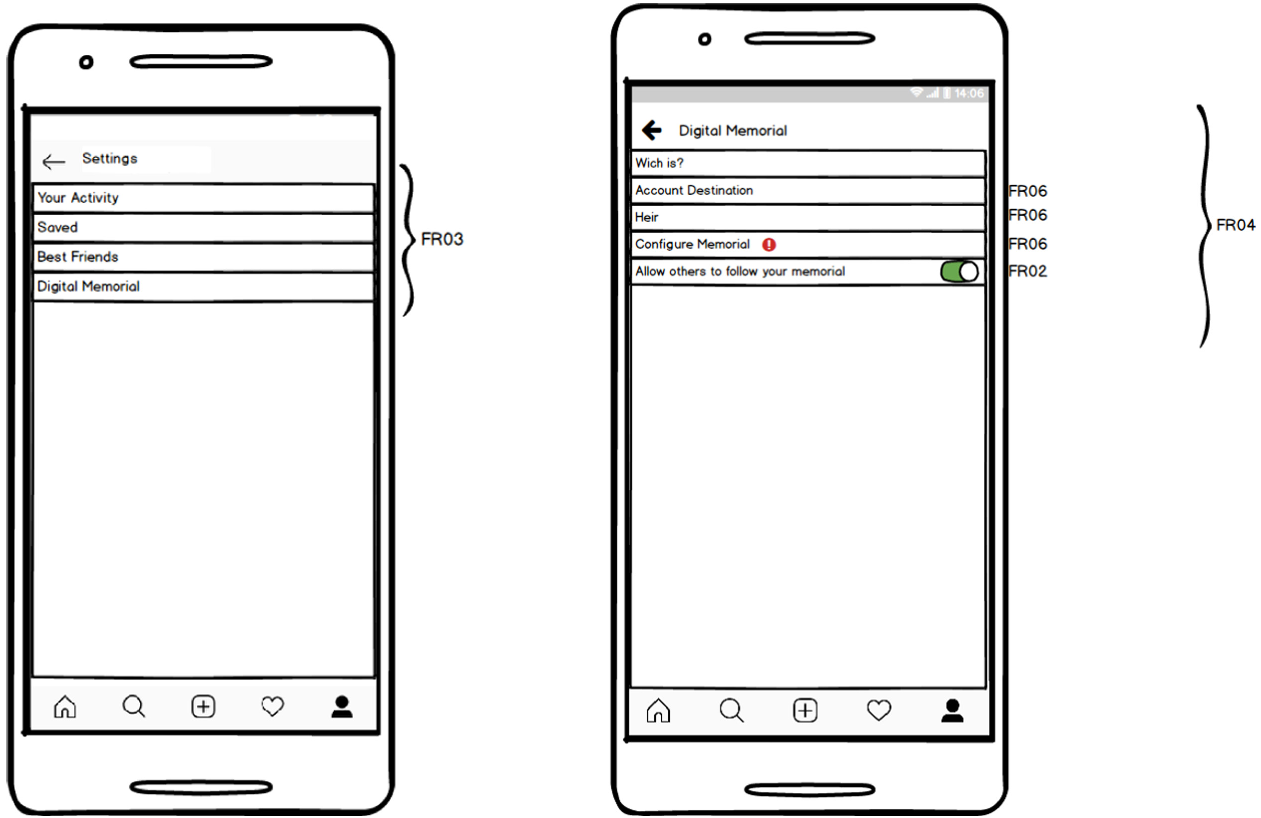
*Fig 2: The UI for designating an heir and setting granular permissions—a feature currently absent from Instagram.*
## Critical Analysis & Conclusion
### Takeaway
The research proves that users *want* control over their digital afterlife. They desire symbolic tributes rather than just "frozen" accounts. The inclusion of a hierarchical warning system for heirs who misuse accounts (FR14-FR16) is a sophisticated addition to social governance.
### Limitations
The study used a relatively small, university-educated focus group (ages 18-25). Younger users frequent social media, but their views on death may differ drastically from older demographics who are more likely to be actively managing estates.
### Future Outlook
As AI-driven "griefbots" or legacy-mimicking algorithms become more common, the requirements identified here (especially regarding *volition*) will become the ethical foundation for how we interact with the digital dead.