
OMMEL: Thwarting Model Drift in Multimodal Social Event Tracking
8325_Online Multimodal Multiexpert Learning for Social Event Tracking.
This paper introduces OMMEL, a novel Online Multimodal Multiexpert Learning framework for social event tracking. It combines an Online Multimodal Tracking Model (online-MMTM) for nonparametric topic discovery with a multiexpert restoration scheme to ensure stable event evolution monitoring across streaming social media data.
TL;DR
Social media events evolve rapidly, but tracking them often leads to "model drift"—where noisy data slowly corrupts the tracking algorithm. OMMEL (Online Multimodal Multiexpert Learning) solves this by combining a nonparametric topic model (that learns the number of topics on the fly) with a "time-traveling" multiexpert restoration scheme that can undo bad updates using entropy minimization.
Context: Why Social Event Tracking is a Moving Target
In the era of "information explosions," a single event like the 2011 England Riot or Occupy Wall Street spans multiple platforms (Flickr, Twitter, Google News) and modalities (images, videos, text).
Conventional methods fail because:
- Fixed Structures: They assume a fixed number of topics (K), which is unrealistic for an evolving news story.
- Tracking Drift: Online updates are "greedy." If the model consumes a batch of noisy or irrelevant posts, it loses the scent of the original event, leading to cumulative errors.
Methodology: The OMMEL Framework
The researchers proposed a two-pronged attack on these challenges.
1. Online Multimodal Tracking Model (online-MMTM)
Instead of the standard Latent Dirichlet Allocation (LDA), the authors turned to the Hierarchical Dirichlet Process (HDP). The key innovation is an online variational inference algorithm. By using an alternative stick-breaking construction, the model adapts to streaming data without needing to re-process the entire history, automatically identifying new sub-topics as the event grows.
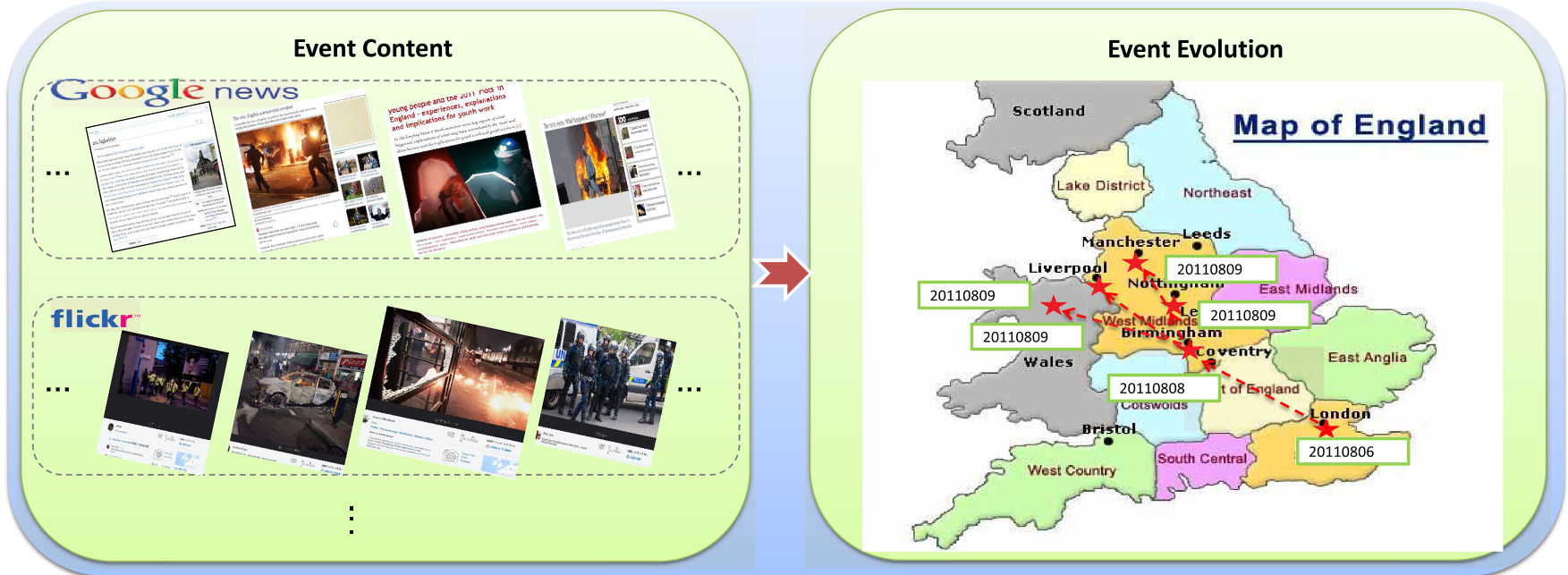 Fig 1: The OMMEL architecture integrating multimodal data into a unified tracking expert ensemble.
2. Multi-Expert Restoration: The "Undo" Button
This is the most conceptually interesting part. The system maintains an ensemble of "experts," which are essentially snapshots of the tracker at different points in time.
- Entropy as a Compass: The system uses an entropy-regularized optimization function to evaluate each expert.
- Backward Evolution: If the current model starts showing high ambiguity (high entropy), the system identifies the "best expert" from the past and restores it, effectively purging the noise that caused the drift.
Performance: Beyond Traditional Topic Models
The OMMEL framework was tested against a variety of benchmarks, including BOW (Bag of Words) and standard online-LDA.
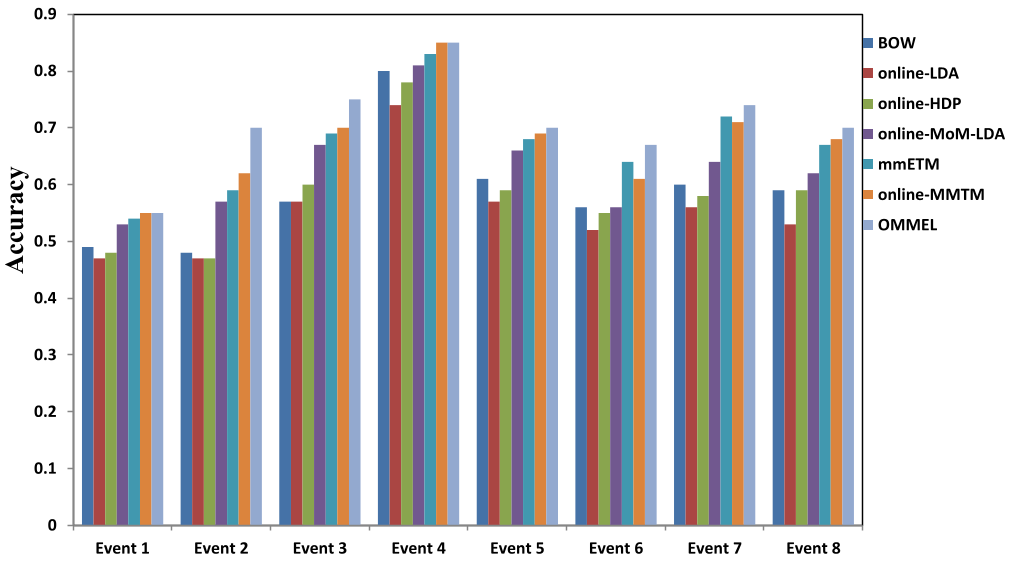 Fig 2: Comparison of tracking accuracy (MAP). OMMEL shows a clear advantage over both single-modality and static multimodal baselines.
Key Experimental Insights:
- Accuracy: OMMEL achieved a 0.73 MAP, while traditional online-LDA trailed at 0.57.
- Clustering Quality: The purity scores for topic identification remained high even as the duration of the event tracking extended, proving the effectiveness of the restoration scheme.
- Efficiency: The online-MMTM requires constant time per epoch, unlike batch HDP which grows linearly with the total volume of data.
Qualitative Visualization: Seeing the Evolution
One of the strengths of this work is its interpretability. By extracting both visual patches and textual keywords, the model builds a "Multimodal Timeline." For example, in the Syrian Civil War event, it correctly aligned keywords like "protest" and "regime" with corresponding images of military activity and street demonstrations, providing a coherent narrative of the event's evolution.
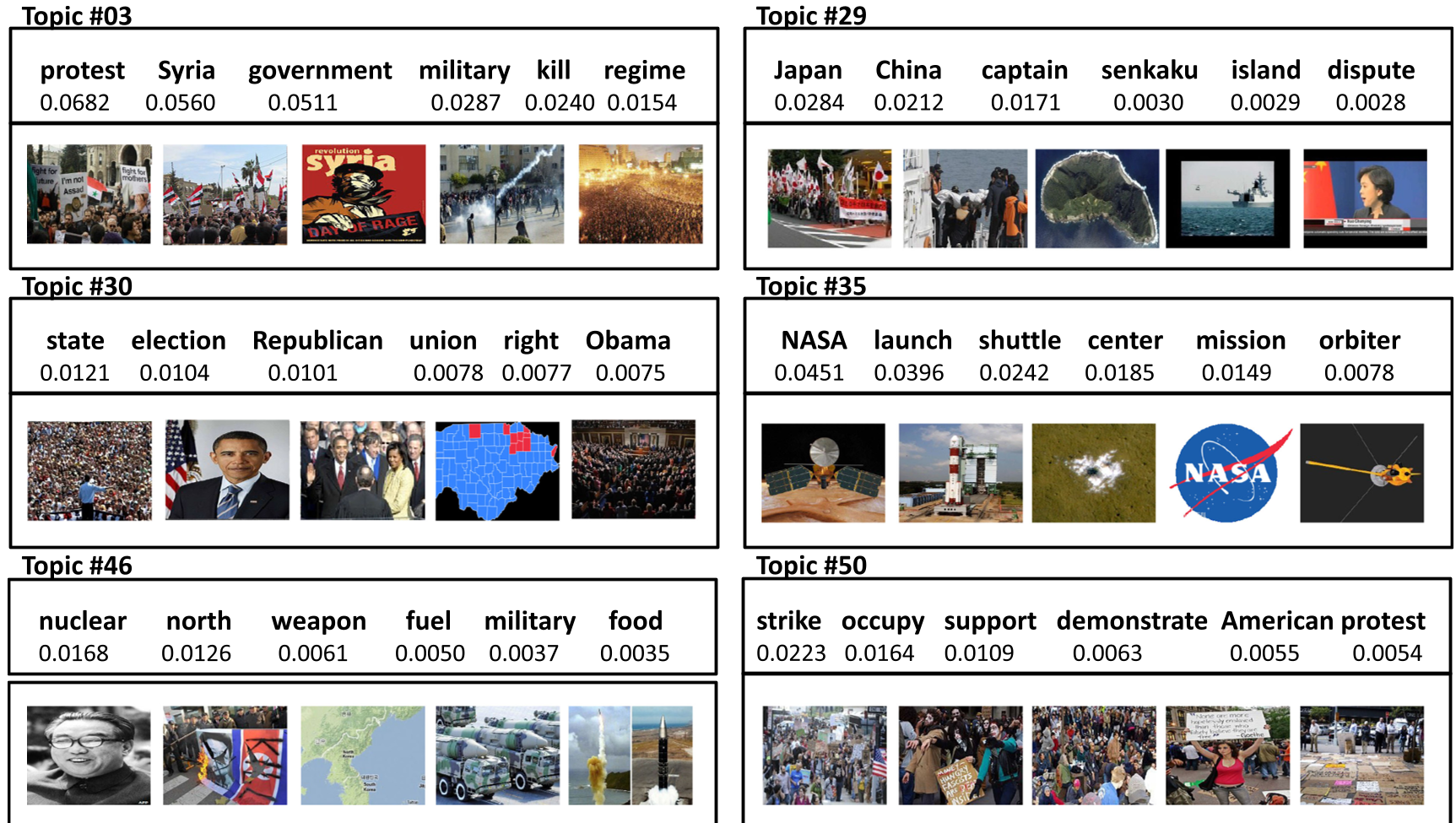 Fig 3: Discovered multimodal topics showing aligned textual words and visual representative patches.
Conclusion & Future Impact
The OMMEL algorithm proves that nonparametric modeling and expert ensembles are not just for static datasets but are essential for the dynamic, noisy reality of social media. By introducing a mechanism to "evolve backwards," the authors have provided a robust template for any online learning task where data quality fluctuates.
Takeaway for Practitioners: When building long-term monitoring systems, always keep "checkpoints" of your model logic. Use entropy-based metrics to detect when your model is drifting, and don't be afraid to revert to a "smarter" version of the past.