
Digital Democracy or Delusion? Rethinking Collective Intelligence in Urban Governance
Online platforms of public participation -- a deliberative democracy or a delusion?
This paper investigates the effectiveness of city-level digital democracy platforms through case studies of 'Decide Madrid' and 'Better Reykjavik'. It proposes a shift from mechanistic participation to a "deliberative democracy" model, leveraging Collective Intelligence (CI) to improve urban decision-making and restore public trust.
TL;DR
While digital platforms like Decide Madrid and Better Reykjavik aim to revolutionize civic engagement, they often fall into the trap of "delusional democratization"—mechanistic systems that fail to engage the diverse "crowd" in meaningful knowledge co-production. This research argues that for digital democracy to succeed, it must pivot toward a Deliberative Democracy model powered by Collective Intelligence (CI).
Background Positioning
In an era where trust in democratic institutions is at an all-time low, ICTs have transformed retail, media, and education, yet the "ballot box" remains a 20th-century relic. This paper positions itself at the intersection of E-government and Social Computing, challenging the status quo of online petitions and suggestion systems.
The "Participation Dilemma": Why Static Tools Fail
The authors identify a critical gap: current platforms often treat citizens as "input sensors" rather than active collaborators. This results in several systemic failures:
- Technological Determinism: Assuming a website alone solves political apathy.
- The Banking Model of Participation: Governments set the "curriculum" (pre-defined issues), and citizens simply provide "answers" (votes).
- Diversity Crisis: Participation is often skewed toward affluent, educated demographics, leaving the most pressing socio-economic issues unaddressed.
Methodology: High-Stakes Ethnography and Big Data
To move beyond theory, the researchers are employing a multi-dimensional approach:
- Tracking Proposals: Following a successful idea from inception to legislative outcome to see how it survives the bureaucratic "meat-grinder."
- Big Data Analytics: In collaboration with the Alan Turing Institute, analyzing over 3,000,000 votes and 430,000 users from Decide Madrid.
- CI Framework: Measuring "social sensitivity" and "conversational turn-taking" within digital threads.
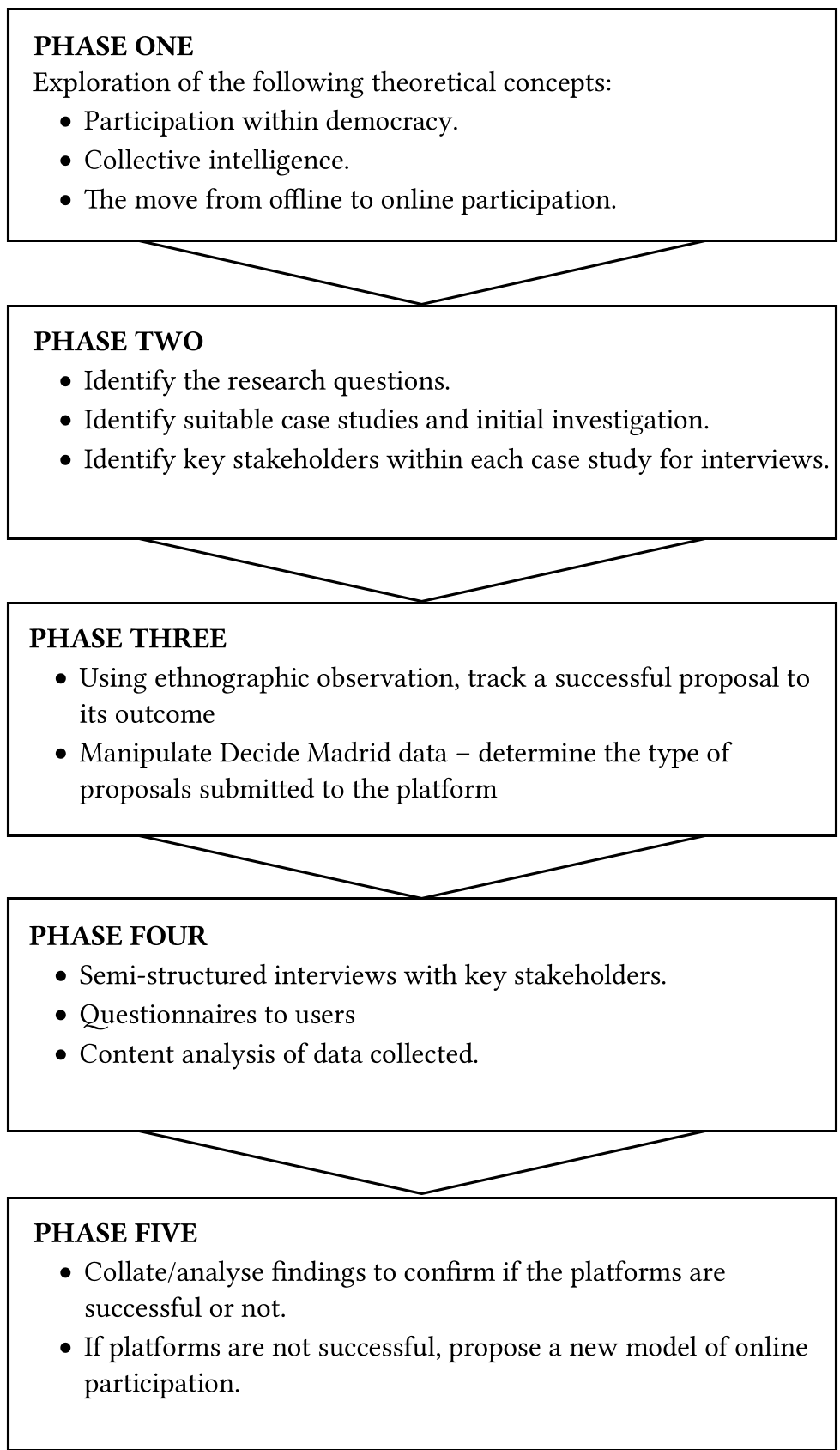 Figure 1: The proposed five-phase research workflow.
The Core Insight: Collective Intelligence (CI)
The paper argues that a group’s "General Collective Intelligence" (the c-factor) is not just the sum of individual IQs. Instead, it emerges from:
- Micro-level: Motivation, trust, and social sensitivity.
- Macro-level: Diversity of thought, independence of opinion, and effective aggregation mechanisms.
For a platform to be successful, it must move away from "binary obedience" (Yes/No voting) toward Knowledge Co-production, where the "teacher" (government) and "learner" (citizen) roles become fluid.
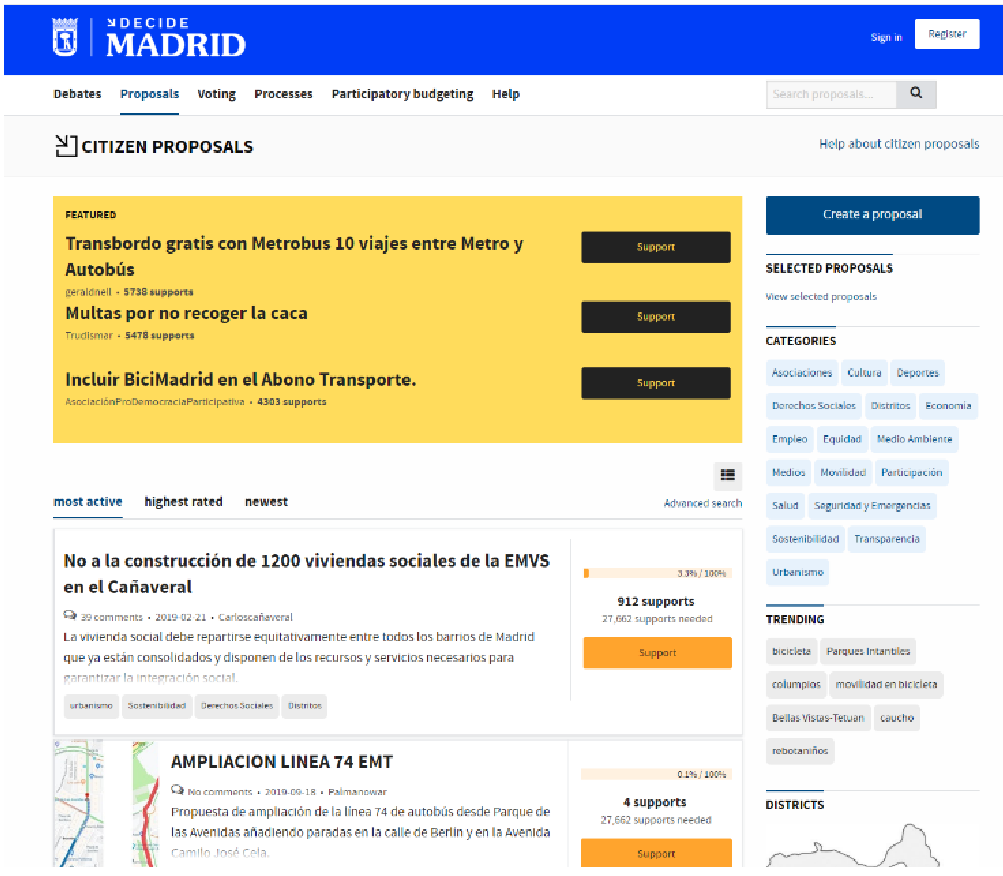 Figure 2: Better Reykjavik uses a dual-column debate format to separate "For" and "Against" arguments, encouraging structured deliberation.
Preliminary Findings: A Reality Check
The "Delusion" aspect of the title is backed by sobering data:
- Activity Spikes are Ephemeral: Massive public spending (€200,000 in Madrid) led only to temporary engagement.
- The Threshold Problem: Setting high vote requirements (1% of the population) effectively kills most grassroots initiatives.
- Triviality: Most ideas focus on "low-hanging fruit" like tree planting, as the platforms are not structured to handle the complexity of systemic urban poverty or housing crises.
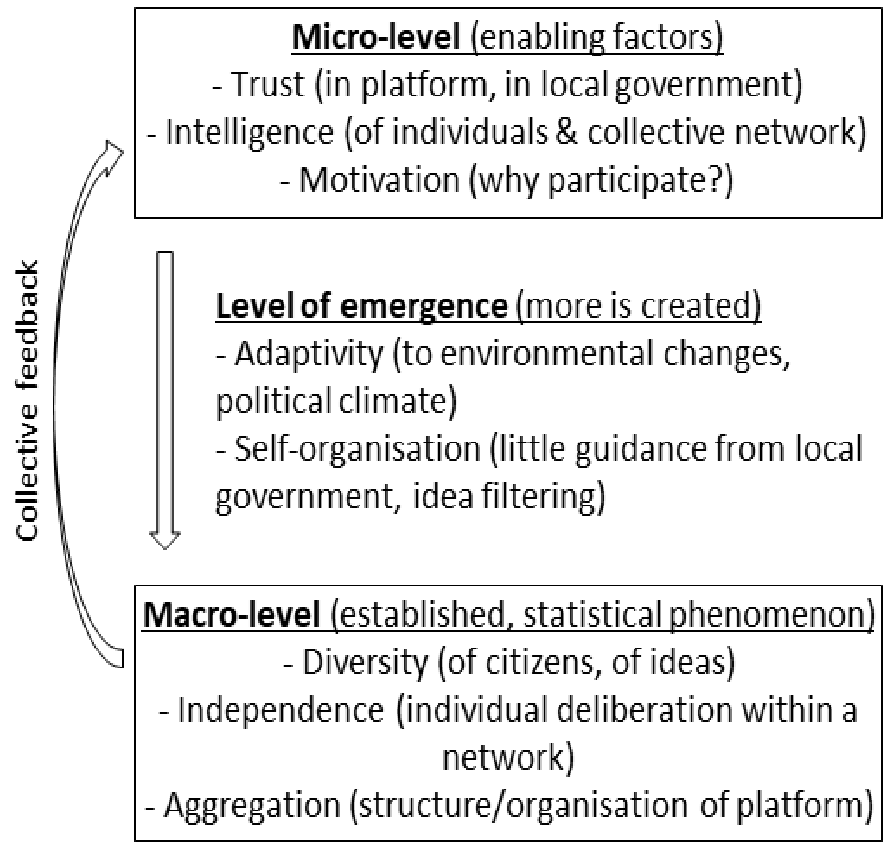 Figure 3: The emerging framework for sustainable CI, balancing micro-enablers with macro-outcomes.
Critical Insight & Future Outlook
The value of this work lies in its rejection of "normalizing" online activity. Instead of making digital participation just another "click" in our daily lives, the authors seek Empowerment.
Future Work will focus on:
- Reducing the "strain" on civil servants through better AI-driven aggregation.
- Developing a "Sustainable Model" that moves beyond the fixed-proposal lifecycle to a continuous feedback loop.
Takeaway: If we want "Smart Cities," we cannot rely on smart algorithms alone; we need a "Smart Crowd" that is given the tools—and the power—to actually deliberate.