
Empowering the Invisible User: Making Social Networks Accessible for People with Intellectual Disabilities
How to Make Online Social Networks Accessible for Users with Intellectual Disability?
This study investigates the usage patterns and accessibility challenges of online social networks (OSNs) for adults with intellectual disabilities (ID). Using an accessible online survey of 58 Facebook users with ID, the research identifies that while these users utilize OSNs similarly to the general population to maintain real-world connections, they face significant barriers in literacy and interface complexity.
TL;DR
This research breaks the silence on how adults with Intellectual Disabilities (ID) navigate the complex world of Facebook. While they use the platform much like anyone else—liking photos and chatting with family—their experience is marred by high literacy barriers and "update fatigue." The study advocates for a "Simple Mode" and a shift toward graphic-heavy, voice-controlled social interfaces.
Background: OSNs as a Bridge or a Barrier?
Online Social Networks (OSNs) hold a unique promise for the 3% of the world living with intellectual disabilities. In a world where physical social circles often shrink after school or work, Facebook acts as a vital tool for empowerment and social capital. However, the tech industry's "move fast and break things" mantra often leaves these users behind. When a UI changes overnight, a user with ID doesn't just see a new layout; they see a broken tool they no longer know how to use.
The "Digital Divide" in Cognitive Terms
The authors highlight a critical insight: the primary barrier isn't physical access, but Cognitive Accessibility.
- Literacy Demands: Signing in, understanding privacy legalise, and interpreting text-heavy feeds require high conceptual skills.
- Interface Volatility: Frequent redesigns (like the introduction of the Facebook "Timeline") create a hostile environment for those who rely on consistent visual patterns to navigate.
Methodology and Findings
Through an accessible survey of 58 adults with ID, the study mapped out the "Facebook life" of this population.
1. The Proactive User
Contrary to the stereotype of total dependence, 82.8% of respondents reported using Facebook with no assistance from caregivers. This suggests that with the right initial setup, users with ID are highly autonomous digital citizens.
2. Gendered Engagement
Consistent with broader social media trends, women with ID were more active than men, particularly in using the "Like" button—a low-friction way to maintain social presence without heavy text input.
3. The "Timeline" Fear
The qualitative results provided the most striking evidence. Respondents expressed literal "fear" regarding UI changes. One user noted: "The timeline scares me. I hope I do not have to get it." This highlights the psychological toll of the tech industry’s constant iteration on users who thrive on routine.
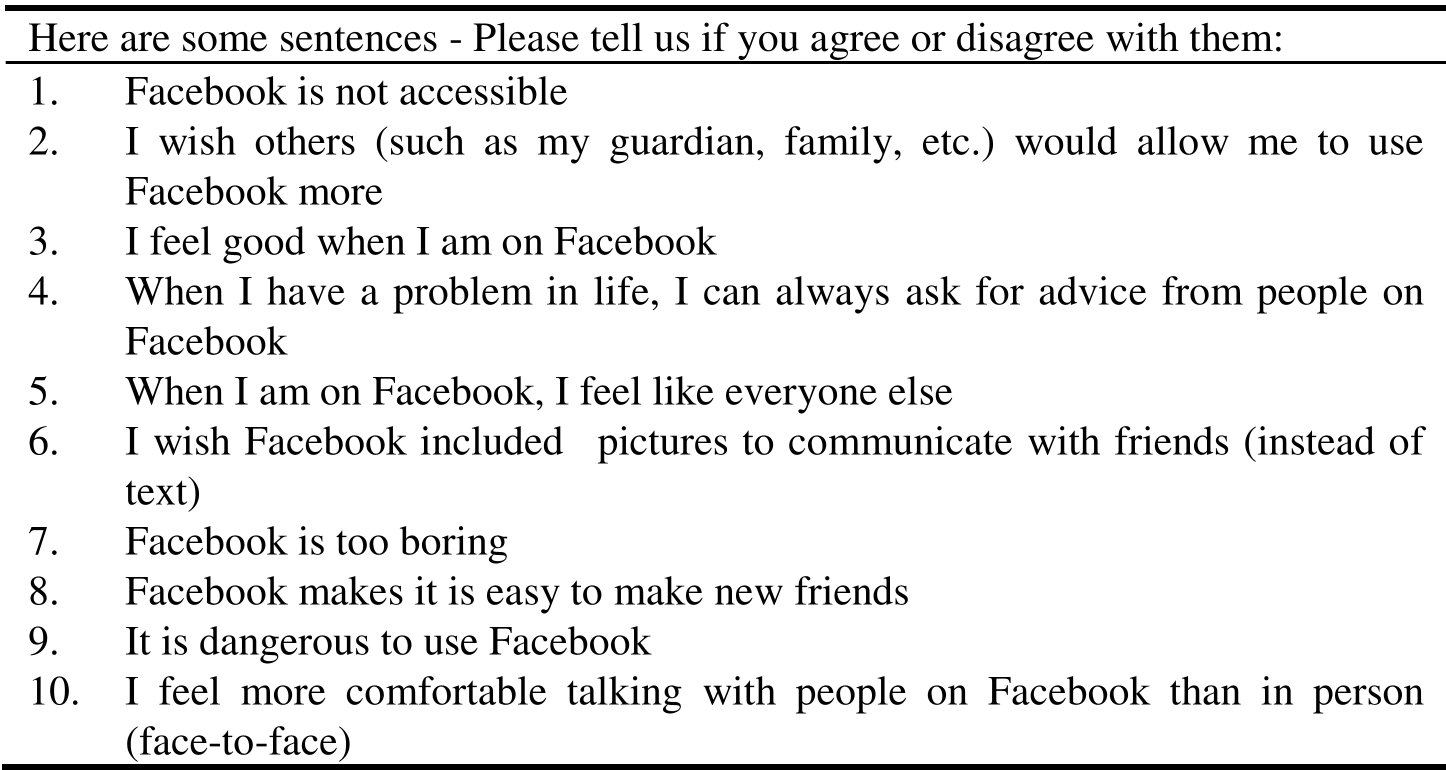 Figure 1: While perceptions are generally positive, the binary choice indicates a split on issues of accessibility and danger.
Recommendations for the Future of Social Tech
The users themselves provided a roadmap for inclusive design:
- Speech-to-Text Integration: Moving away from the tyranny of the keyboard to allow voice-driven status updates.
- Graphic-Centric Communication: Using icons and pictures to explain "how-to" steps rather than dense blocks of text.
- The "Easy Mode" Toggle: A persistent request for a simplified, stable version of the site (conceptually similar to
m.facebook.com) that allows users to lock a specific UI configuration.
Critical Insight & Conclusion
The study concludes that participation in OSNs makes people with ID feel "like everyone else." This sense of normalcy is not a luxury; it is a fundamental aspect of digital inclusion. However, the industry's reliance on text-based communication and frequent UI overhauls acts as a "cognitive gatekeeper."
The Takeaway: For developers and architects, the lesson is clear. Accessibility is not just about screen readers for the blind or captions for the deaf—it is about predictability and simplicity. By adopting Universal Design, we can ensure that the social networking revolution empowers all members of society, not just the cognitively elite.
Recommended Architecture for Cognitive Inclusion: A Proposed Adaptive UI Layer.