
The Architecture of Connection: Deciphering the Global OSN Phenomenon
Online social networks: A survey of a global phenomenon
This survey provides a comprehensive overview of Online Social Networks (OSNs), defining their core functionalities, structural characteristics, and evolutionary history. It categorizes OSNs by usage (Private/Business) and focus (General/Special Interest), while establishing their business value across the corporate value chain.
TL;DR
This landmark survey deconstructs Online Social Networks (OSNs) as both a social and technical phenomenon. It clarifies the distinction between static social links and dynamic activity, maps the genesis of the industry from 1997 to the Facebook era, and provides a strategic blueprint for how businesses can leverage these networks for R&D, marketing, and human resources.
The Evolution of the Digital Self
The paper situates OSNs within the historic human need for community—Aristotle’s zoon politicon—but accelerated by Web 2.0 technologies. The core shift identified is from passive consumption to active content creation. The authors define OSNs through three pillars:
- The construction of a public/semi-public profile.
- A list of articulated connections ("friends" or "contacts").
- The ability to traverse and view these connection lists.
Structural Backbone: Social Graphs vs. Activity Graphs
One of the paper's most critical academic insights is the distinction between two types of network representations:
- The Social Graph: Represents binary, relatively static friendship links. It identifies potential connectivity.
- The Activity Graph: Focuses on actual communication (messages, wallposts). The authors argue that value is "dormant" in the social graph and only becomes "active" through the activity network.
The authors emphasize the "Small World" effect, noting that while an average Facebook user had 130 friends (at the time), the interconnectedness of "hubs" (highly connected users) ensures that anyone is only a few hops away from anyone else globally.
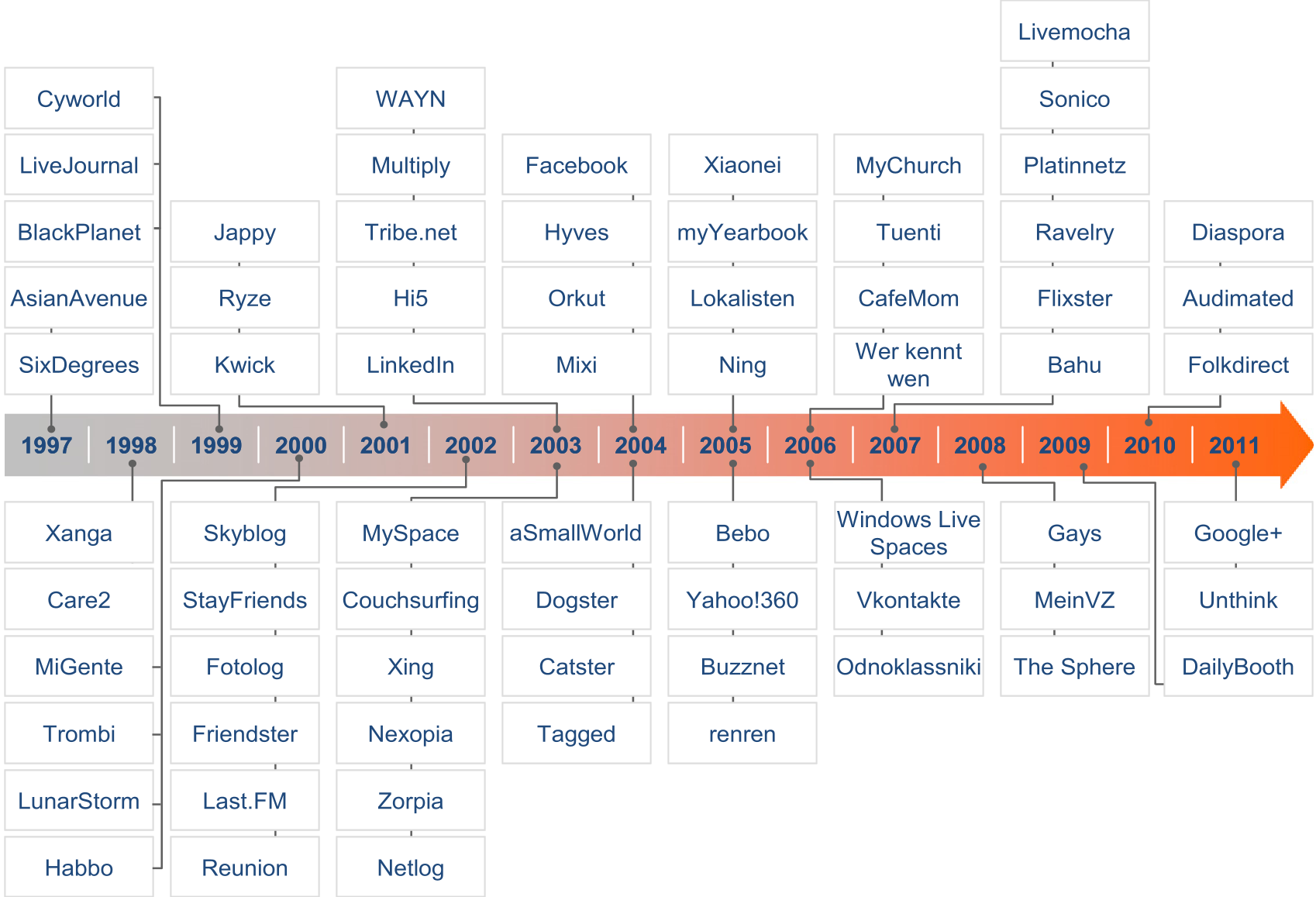 Figure 1: Timeline of market appearances of selected OSNs (1997–2011).
Methodology: Classifying the Social Landscape
The survey categorizes OSNs into a 2x2 matrix:
- Private vs. Business: Comparing platforms like Facebook (socializing) to LinkedIn/Xing (professional networking).
- General vs. Special Interest: Distinguishing between horizontal giants and vertical niche networks (e.g., Couchsurfing, Audimated).
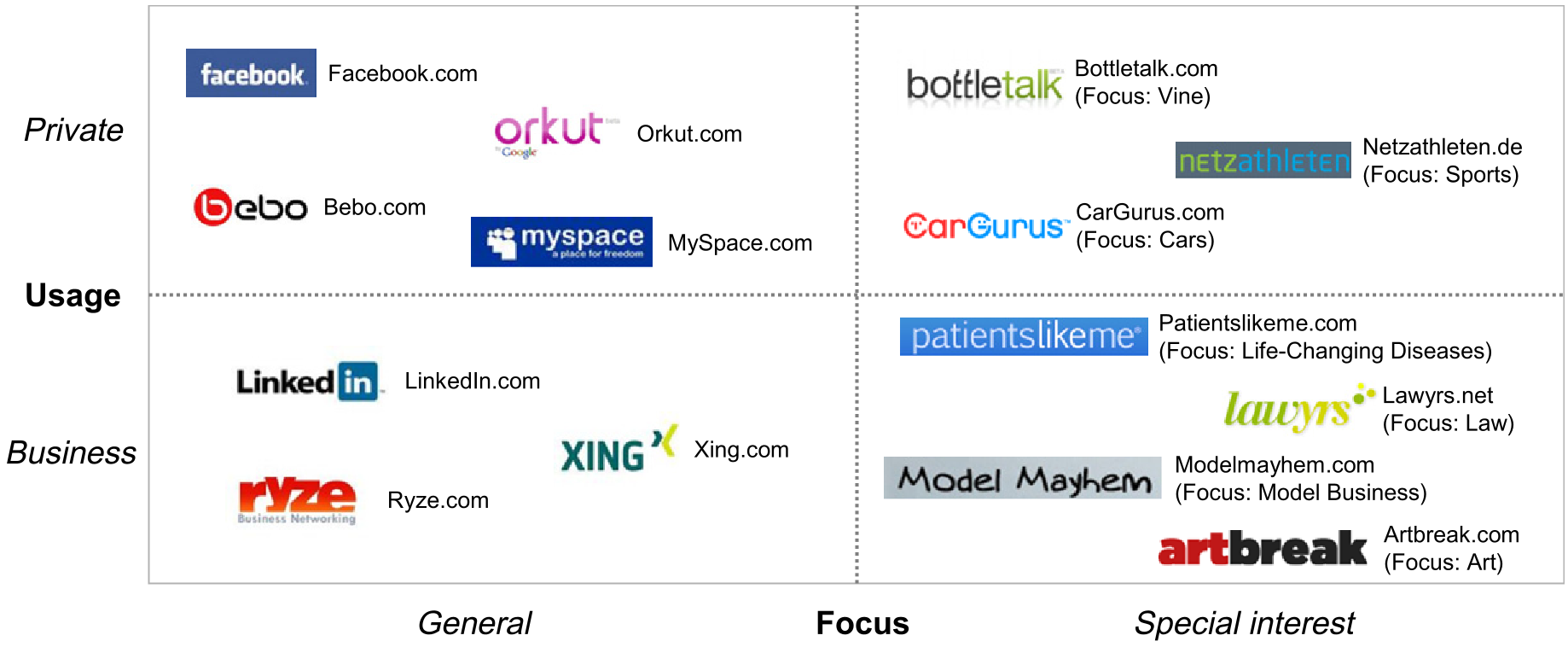 Figure 2: Classification of Online Social Networks.
Business Value Along the Value Chain
The paper moves beyond "social" talk to hard business logic, mapping OSN utility across five domains:
- Research & Development: Open innovation (e.g., Fiat and Lego using "crowds" for design).
- Marketing & Sales: Viral marketing and targeted advertising. The shift from "Sales Marketing" to "Social Network Marketing."
- Customer Service: Peer-to-peer support reducing corporate overhead (e.g., "Telekom-hilft").
- Human Resources: Social recruiting and employer branding.
- Internal Applications: Improving knowledge transfer within virtual teams (e.g., "IBM Blue Pages").
Critical Pitfalls: The Illusion of Control
The authors warn that the shift from "command-and-control" to "connect-and-coordinate" is a double-edged sword. They cite the Nestlé/Greenpeace incident and Deutsche Bahn's failed Facebook campaign as examples of "loss of control." Companies often fail when they treat OSNs as a one-way broadcasting channel rather than a dialogue-driven ecosystem.
Conclusion & Future Outlook
The paper concludes that while OSNs provide a "crystal ball" for future consumer intentions, the gap between Social Network Analysis (SNA) techniques and real-world deployment remains large. The "Holy Grail" remains the quantification of ROI. For the senior tech leader, the takeaway is clear: the network's value lies not in its size, but in the density of its active interactions.
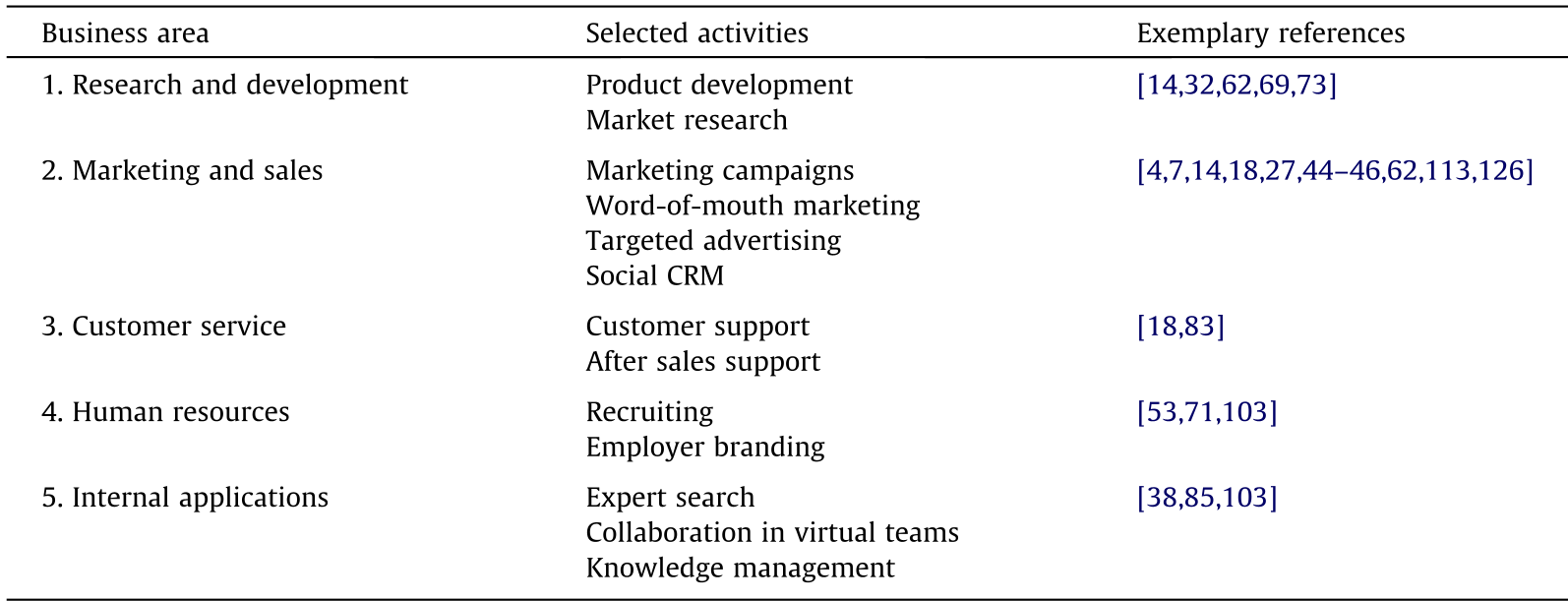 Table 1: Potential business benefits of OSNs along the value chain.