
Beyond Accessibility: Decoding Social Support for the Silver Surfer
Online social support for older people
This paper presents a foundational framework for analyzing online social support among older adults. By investigating the SeniorNet community, the author develops a validated six-category coding scheme designed to quantify and characterize empathic social interactions in discussion-based environments.
TL;DR
As the global population ages, the "Digital Divide" is shifting from a struggle for hardware access to a struggle for social connection. This paper explores how older adults use online communities to exchange empathy and advice. It introduces a validated coding scheme to categorize online interactions, proving that the internet is a vital tool for preventing isolation among seniors.
The Hidden Gap: Moving from Information to Interaction
For years, HCI (Human-Computer Interaction) research for older people focused on the "Physical Gateway"—making screens readable and buttons clickable. However, Ulrike Pfeil argues that we’ve overlooked the Social Gateway.
The digital divide isn't just about who has a laptop; it's about who can access the "social capital" of the internet. Older people face unique life transitions—retirement, bereavement, and health challenges—that require specialized support. The author posits that simply providing information isn't enough; we must design for empathy.
Methodology: The SeniorNet Case Study
To understand how seniors support each other, the author analyzed the SeniorNet community, a long-standing hub for older users.
The Core Framework
The researcher analyzed 1,200 messages across four specific topics:
- Ageing Issues
- Back Pain
- Depression
- Word Processing (Technical support)
Building on this, a coding scheme was developed to transform raw text into measurable data.
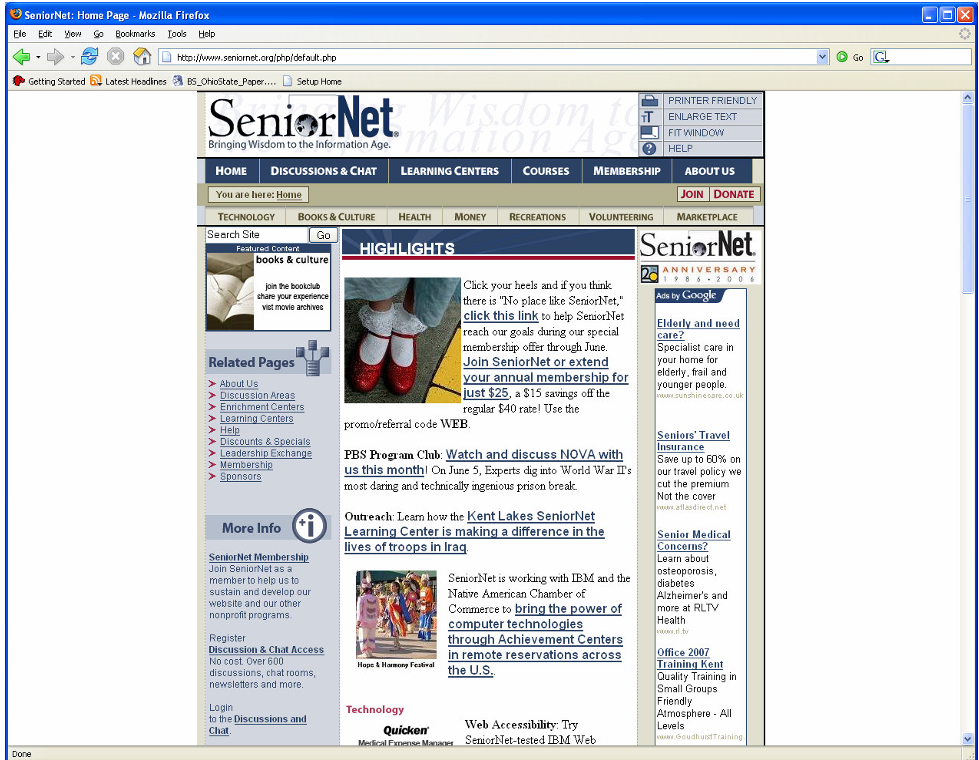 Figure 1: The SeniorNet platform served as the primary data source for the study.
The Six Pillars of Online Support
The study validated six high-level categories that capture the essence of senior social interaction:
| Category | Description |
|---|---|
| Information Support | Giving/asking for advice or facts. |
| Emotional Support | Expressing empathy, care, or concern. |
| Self-disclosure | Sharing personal life stories and experiences. |
| Community Building | Maintaining the health and manners of the group. |
| Directing | Managing the flow of the conversation. |
| Others | Miscellaneous or non-support interactions. |
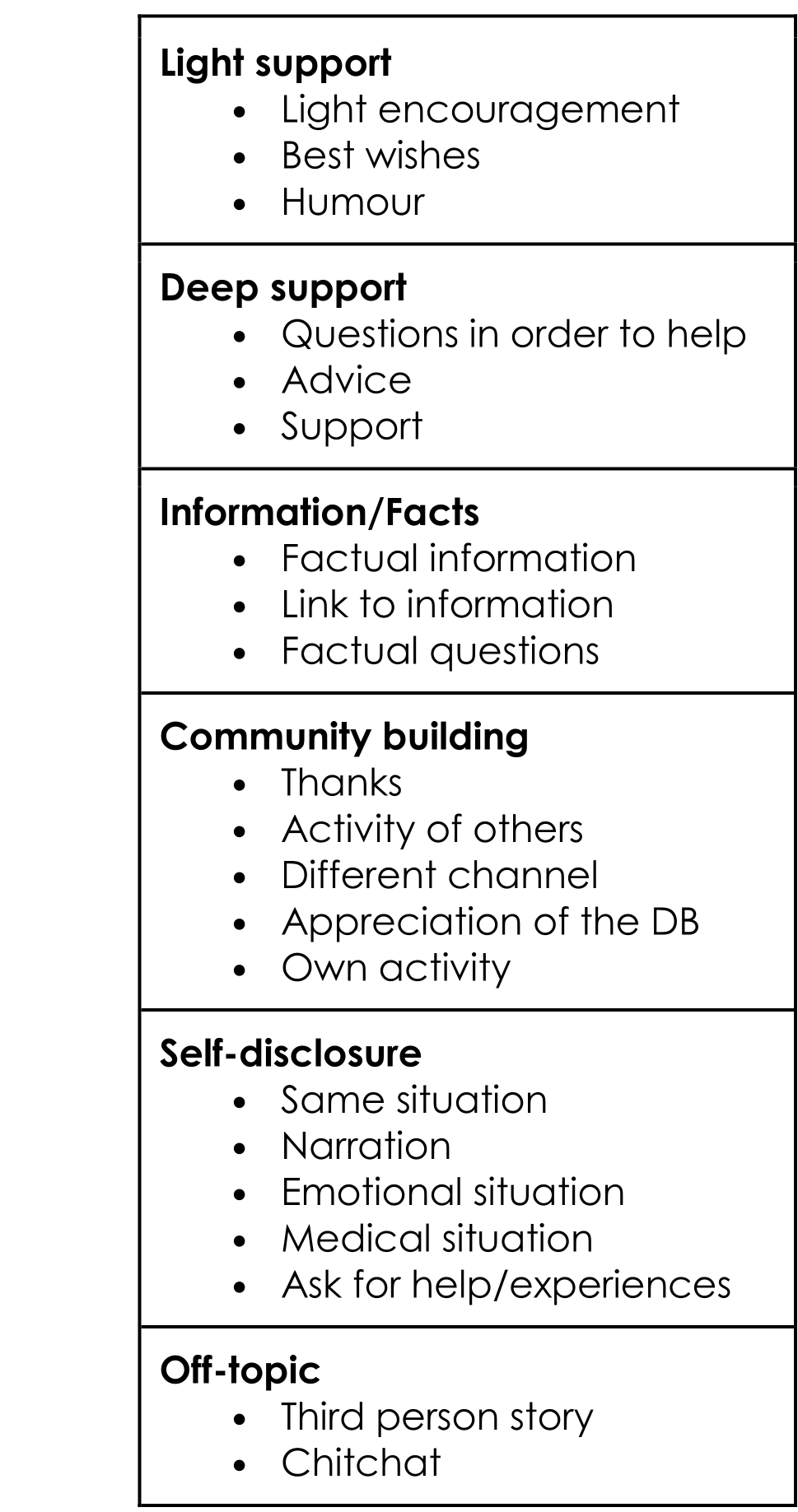 Table 1: The validated coding scheme used to distill social meaning from raw text.
Critical Insights
One of the most profound takeaways is that older people are not just passive receivers of support; they are prolific providers. The research highlights that shared "life situation" is a powerful catalyst for empathy. Whether discussing chronic pain or the frustrations of learning new software, the peer-to-peer nature of these boards provides a level of understanding that professional medical or technical sites cannot replicate.
Limitations and Future Directions
The author acknowledges that while the high-level categories are stable, the way people self-disclose varies wildly between a "Depression" board and a "Software" board. Therefore, designers must tailor communities to the specific emotional "temperature" of the topic.
Conclusion: Designing for the Future
This paper serves as a call to action for Inclusive Design. If we understand the "patterns of empathy," we can build better digital spaces that don't just host information, but actively nurture human connection. For the elderly, the internet shouldn't just be a library—it should be a community center.
Takeaway for Designers: Don't just facilitate "Information Retrieval." Facilitate "Self-Disclosure" and "Peer Mentorship." These are the true drivers of well-being for the older generation in the digital age.