
Automated ID3-Tag Management: Merging Ontological Precision with Social Media Intelligence
5753_Ontology-based ID3 tag management system.
This paper proposes an automated ID3-Tag Management System for MP3 files that leverages ontological representations and Open APIs/Social Media (Twitter/X) hashtags. The method ensures high-accuracy metadata population by mapping diverse information sources to a standardized music ontology.
TL;DR
Managing a digital music library often results in a mess of "Unknown Artist" and "Track 01" labels. This paper introduces an intelligent system that automatically populates MP3 ID3 tags. By combining a formal music ontology with Open APIs and Twitter hashtags, the system achieves over 90% accuracy in metadata restoration, significantly reducing manual labor.
Background & Positioning
In the era of portable multimedia, ID3 tags are the backbone of library organization. However, metadata is frequently lost or corrupted during file transfers. While many taggers exist, they often rely on static databases. This work positions itself as a bridge between formal semantic web structures (Ontologies) and dynamic real-time data (Social Media), ensuring that even the latest hits are tagged correctly.
The Core Problem: Metadata Fragmentation
Why is auto-tagging hard?
- Inconsistency: Different databases use different naming conventions (e.g., "The Beatles" vs "Beatles, The").
- Latency: New releases might not appear in official APIs immediately.
- Human Error: Initial filenames are often cryptic or misspelled.
The authors argue that a "Music Ontology" provides the necessary logic to resolve these inconsistencies, while social media acts as a gap-filler for real-time information.
Methodology: The Ontological Approach
The heart of the system is the Music Ontology (MO), which defines the relationships between composers, performers, and tracks.
The Workflow
The system operates in a client-server architecture:
- Retrieval Phase: It first attempts to fetch data via Open APIs.
- Social Enrichment Phase: If data is missing or incomplete, it scrapes Twitter for specific hashtags related to the track to infer missing metadata.
- Ontological Mapping: All retrieved data is mapped to ID3 frames (like TIT2 for Title, TPE1 for Artist) using a predefined hierarchy to ensure structural integrity.
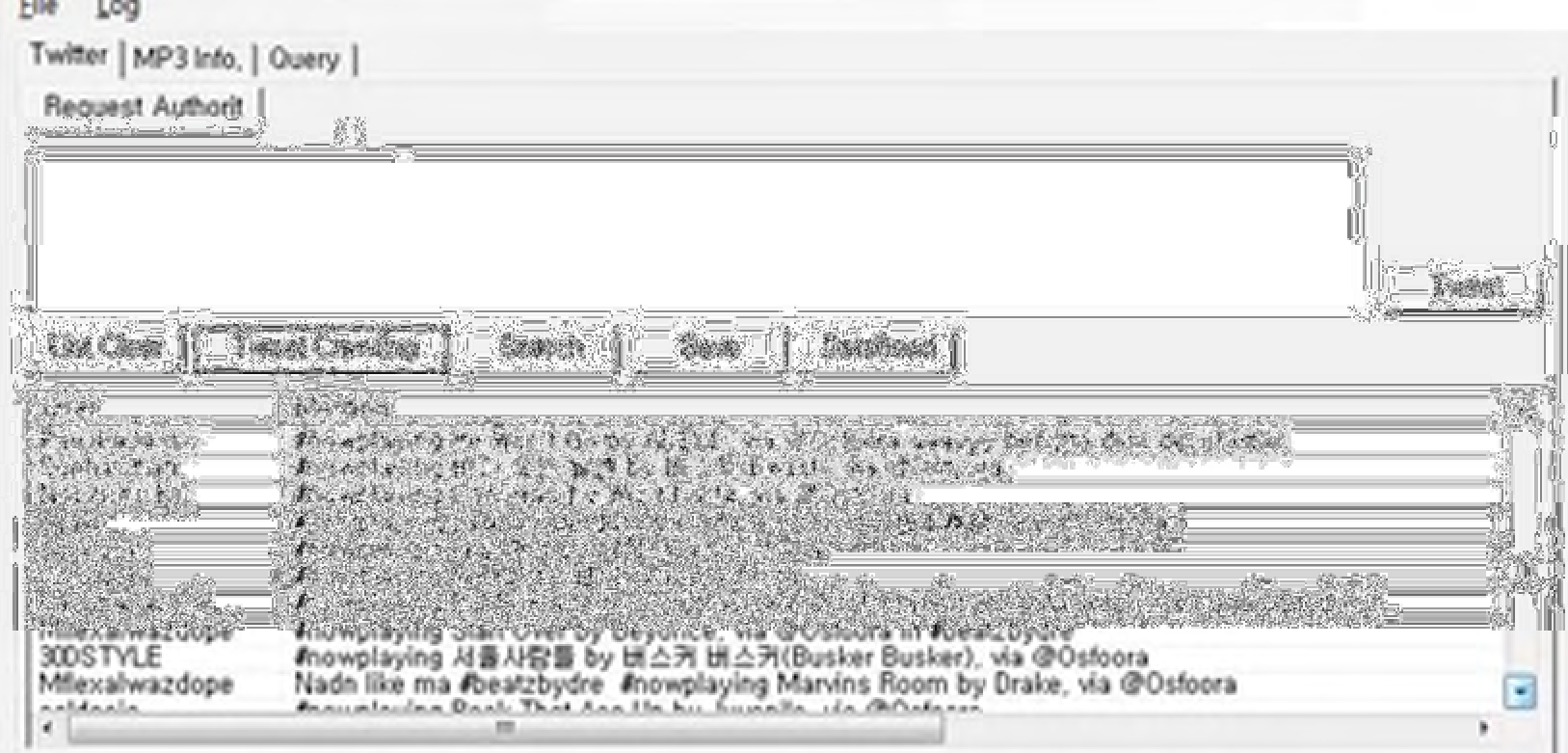 Figure 1: The ID3-tag management system workflow.
| Attribute | ID3 Tag Frame | Ontology Mapping | Open API Support |
|---|---|---|---|
| Title | TIT2 | SongName (SN) | Yes |
| Artist | TPE1 | Artist (AT) | Yes |
| Album | TALB | AlbumName (AN) | Yes |
| Genre | Genre | Genre (GR) | Yes |
Experimental Results: The Power of Social Signals
The authors tested the system on 100 "blank" MP3 files. The results demonstrate a clear advantage in a multi-source approach:
- Open API Success Rate: 81.6%
- Social Media (Twitter) Success Rate: 90.4%
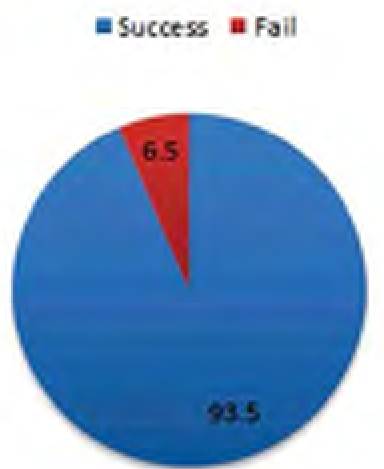 Figure 2: Performance comparison of metadata retrieval sources.
The study found that failures only occurred when the original filename was too mangled for any system to recognize or when the track was extremely obscure.
Critical Insights & Future Outlook
Strengths
The integration of Ontological Hierarchy ensures that the data isn't just "found" but "structured" correctly. The use of Twitter is a clever way to handle "Zero-day" music releases that haven't hit the major databases yet.
Limitations
As social media platforms like Twitter/X evolve and restrict API access, the reliability of the social-enrichment phase might fluctuate. Furthermore, the system remains dependent on at least a partially correct filename to begin the search.
The Future of Tagging
Moving forward, integrating Audio Fingerprinting (like Shazam's technology) with this ontological framework could eliminate the dependency on filenames entirely, creating a truly autonomous "detect and tag" solution.
Conclusion
This paper successfully demonstrates that ontologies are not just academic exercises but practical tools for maintaining data consistency in consumer electronics. By harnessing the collective intelligence of social media, the system achieves a level of robustness that traditional databases cannot match alone.