
Modeling Play: A UML-Based Ontology for Mobile Video Games
An Ontology for Mobile Video Games
This paper presents a formal ontology for the mobile video games domain, utilizing industry-standard UML (Unified Modeling Language) and OCL (Object Constraint Language) for structural representation. The authors bridge the gap between AI-driven knowledge representation and object-oriented software engineering to create a reusable framework for mobile game design.
TL;DR
Mobile game development is a complex interplay of hardware constraints and creative design. This paper introduces a formal ontology for mobile video games that departs from traditional AI formalisms like KIF, opting instead for UML and OCL. By providing a structured vocabulary of 42 classes and 78 properties, the authors offer a roadmap for "knowledge reusability," allowing developers to share domain logic across heterogeneous mobile platforms (J2ME, BREW, Symbian) without being bogged down by implementation details.
Problem & Motivation: The Tower of Babel in Game Design
Game designers often work in silos, using disparate terminologies to describe similar mechanics. While the Game Ontology Project (GOP) made strides in identifying structural elements, the tools used for such modeling (like Protégé) are often alien to the average software engineer.
The authors identify a critical gap: Software Reusability vs. Knowledge Reusability. Current development focuses on porting code, but the industry lacks a way to port the conceptualization of the game. By using UML—the "lingua franca" of software engineering—the authors attempt to democratize ontology construction, making formal models a direct part of the software design pipeline rather than an academic afterthought.
Methodology: Bridging the Gap with UML and OCL
The core of the methodology lies in treating the ontology as a static information model. The researchers divided the mobile game domain into three primary modeling components: Graphics, Configuration Entities, and Multimedia.
1. The Representational Choice
Instead of using complex logic-heavy languages, the authors utilize:
- UML Class Diagrams: To depict entities (Classes), their attributes, and relationships.
- OCL (Object Constraint Language): To define the formal axioms and constraints that a simple diagram cannot capture (e.g., multiplicity rules or value ranges).
2. High-Level Architecture
The ontology is organized to support "Adventure Games," which are ideal for mobile due to low resource requirements and simple input mapping.
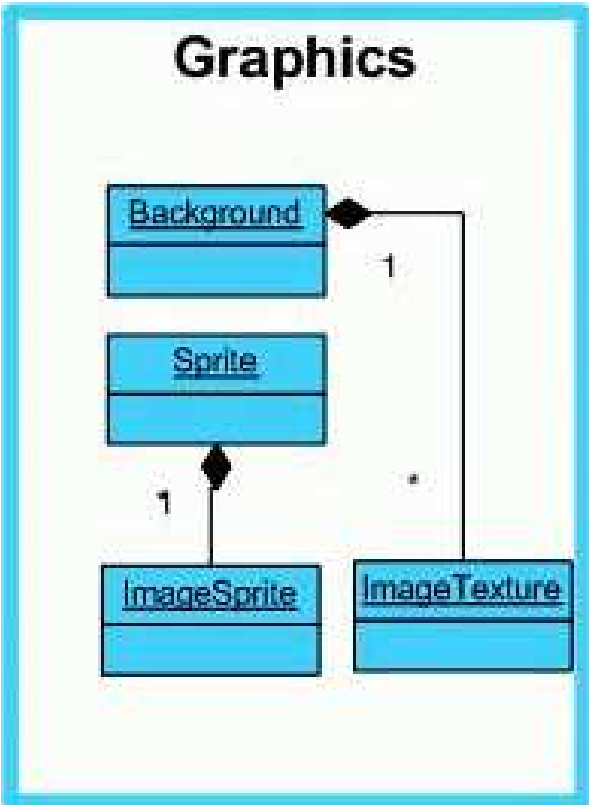 Figure 1: High-level encapsulation of the mobile video games domain.
3. Structural Decomposition
The ontology drills down into specific hardware and software constraints typical of the mobile landscape of the time (J2ME/M3G standards), categorizing how characters, scores, and multimedia assets interact.
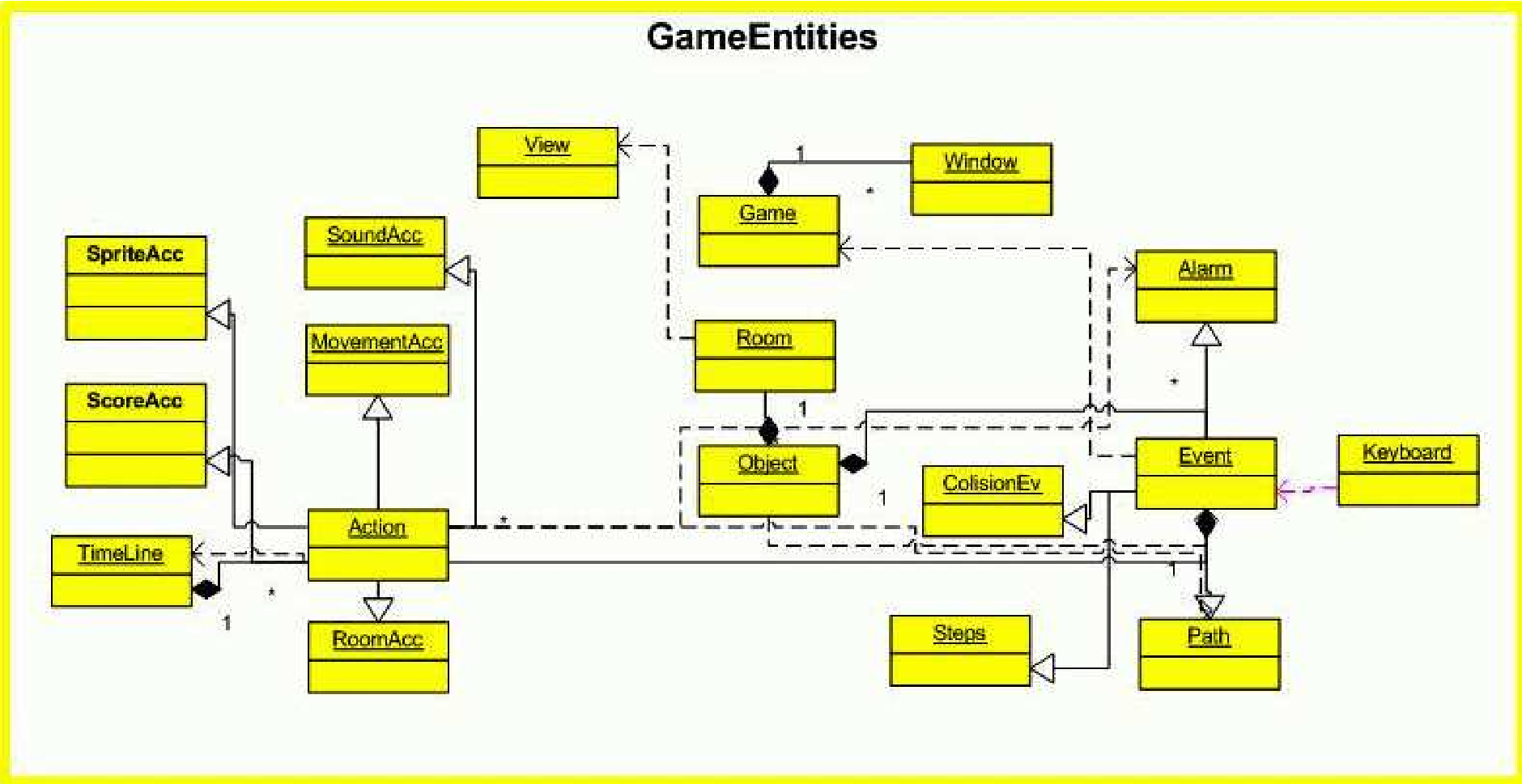 Figure 2: The structural backbone of the mobile game ontology.
Experiments & Results: The Pac-Man Case Study
To validate the ontology, the authors modeled the classic Pac-Man. They translated their UML model into OWL-DL (Web Ontology Language - Description Logic) to test if the model could handle automated reasoning.
- Asserted Hierarchy: The manual tree created by the designer.
- Inferred Hierarchy: The structure computed by a reasoner based on the properties defined (Disjointness, Cardinality, etc.).
By using a reasoner, the authors demonstrated that the ontology could maintain logic in massive systems (thousands of classes) where manual maintenance of multiple inheritance would lead to human error.
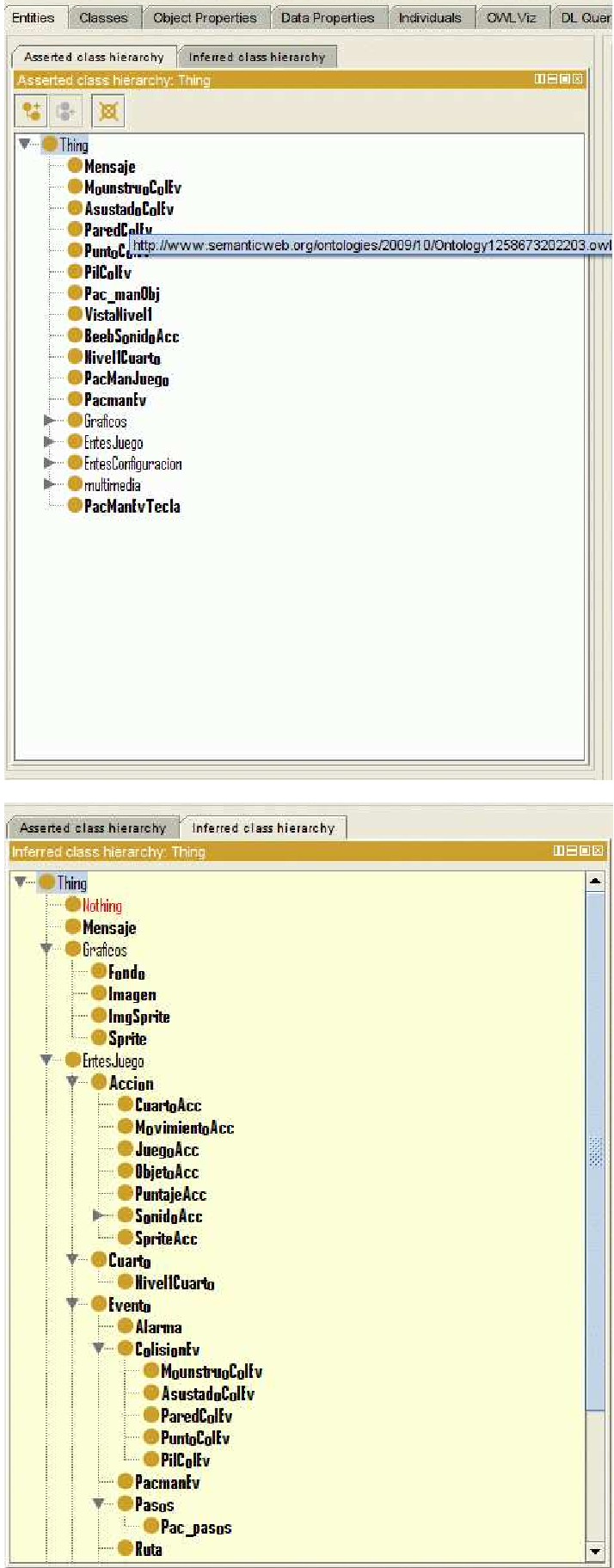 Figure 3: The manual (asserted) hierarchy for the Pac-Man implementation.
The resulting 42-class model provides a standardized way to describe mobile games that is both human-readable and machine-processable, ensuring that the software remains grounded in a solid knowledge model.
Critical Analysis & Conclusion
Takeaway
The shift toward UML for ontology modeling is a pragmatic move. It acknowledges that for an ontology to be useful in the industry, it must reside within the same toolset (CASE tools) that engineers use for production. The move from "code-sharing" to "concept-sharing" could significantly reduce the cost of developing games across the fragmented mobile market.
Limitations
While UML is accessible, it lacks the native formal semantics found in Description Logic. The authors admit that UML must be founded on "formal upper-level ontologies" to truly model reality accurately. Furthermore, the focus on Adventure Games, while practical for the mobile hardware of 2010, may need significant expansion to cover modern mobile genres like Battle Royales or AR-based games.
Future Outlook
As mobile devices grow more powerful, the need for these ontologies will only increase—not just for design, but for Interoperability. Imagine a future where game assets and mechanics can be ported between engines (Unity to Unreal) because they share a common ontological foundation. This paper is a foundational step toward that unified future.