
Opaque Obstacles: Why "User-Friendly" Design Isn't Enough for Rural Empowerment
Opaque Obstacles: The Role of Stigma, Rumor, and Superstition in Limiting Women’s Access to Computing in Rural Bangladesh
This paper, "Opaque Obstacles," presents an 8-month ethnographic study in rural Bangladesh identifying non-technical barriers to ICT access. Using a mix-method approach and a custom design probe called "Shada-bakso," the researchers reveal how cultural constructs—specifically stigma, rumor, and superstition—systemically limit women's independent use of computing devices.
TL;DR
In the quest to bridge the digital divide, we often assume that better UI and lower costs are the ultimate keys to access. However, this study in rural Bangladesh reveals a hidden layer of "opaque obstacles"—stigma, rumor, and superstition—that act as powerful gatekeepers. Even when technology is simplified to a single button, women must negotiate their use of it against a backdrop of patriarchal surveillance and moral judgment.
Background: Beyond the Interface
For decades, the HCI for Development (HCI4D) community has treated literacy and infrastructure as the primary enemies. But in Shankorpur, Jessore, the gender gap in ICT access remains at a staggering 33%. This paper argues that technology is never "neutral"; it is a "gendered substance" that can be perceived as an addiction, a distraction, or even a curse.
Problem & Motivation: The Failure of Universal Design
The authors noted a recurring theme: women who could use phones often chose not to, or used them under strict supervision.
- The Reputational Risk: A woman seen using a phone is often tagged as "lazy" or "careless."
- The Moral Hazard: Modern communication tools are frequently associated with "moral degradation" or unapproved romantic affairs.
The researchers' intuition was that tech-solutionism (simply making a better app) would fail if it didn't account for these deep-seated cultural fears.
Methodology: The "Shada-bakso" Probe
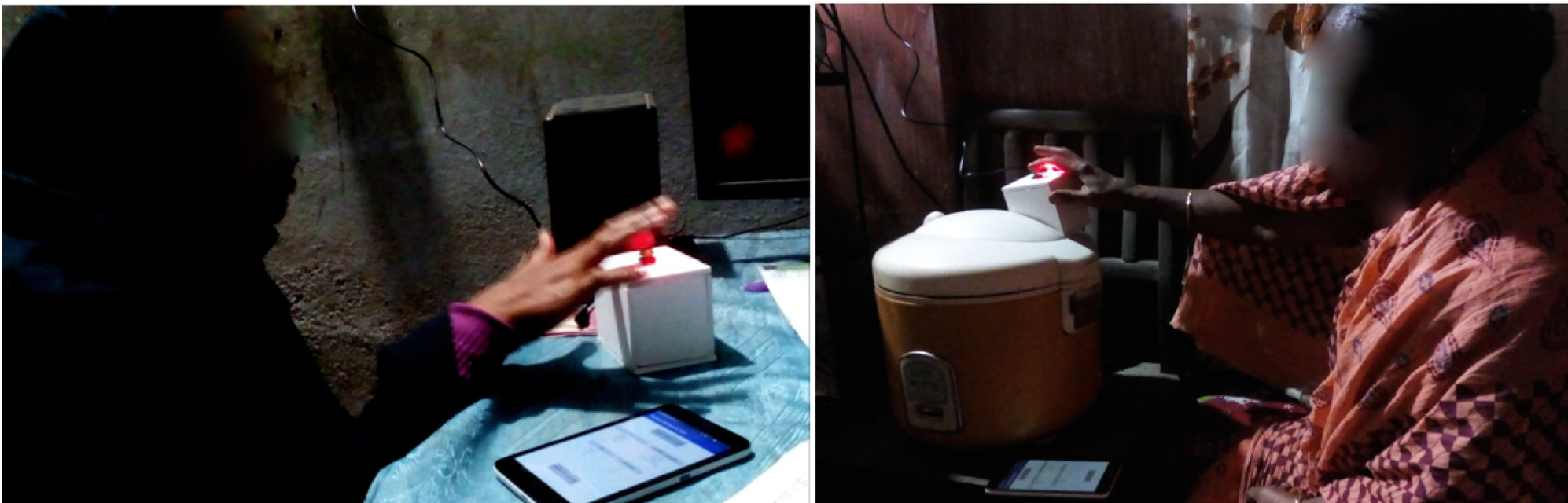
To peel back these layers, the researchers designed a design probe—a physical white box with a single button and an LED.
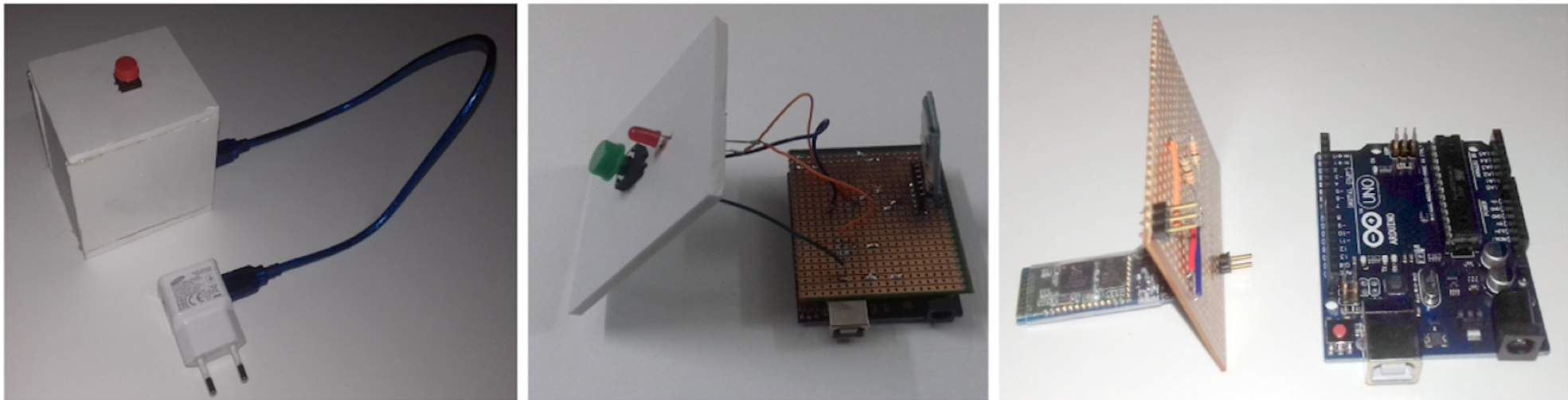
The device, connected via Bluetooth to a smartphone, used a voice-based interface to allow women to make calls without ever touching a "scary" touchscreen. The goal wasn't to create a commercial product, but to use this "Trojan Horse" to provoke conversations about why such a simple device might still be rejected.
Results: The Three Opaque Obstacles
1. Stigma (The Social Wall)
Women reported that using a phone—especially texting—is often stigmatized as a indicator of an affair. Mothers feared that taking photos of their babies violated local Islamic practices. As one participant noted: "Do I look like I have a lover somewhere hidden that I have to send messages to him? I do not want to learn how to send text messages."
2. Rumor (The Fear Engine)
The community was rife with stories of "phone friends" leading to kidnapping or rape. Furthermore, there was a widespread belief that the internet "steals" photos from a device automatically. These rumors serve a social function: they enforce the supervised and limited use of technology by women.
3. Superstition (The Sacred Logic)
The study found fascinating intersections between technology and faith:
- Ritual Purity (Wudu): Women were reluctant to answer phones during prayer times, fearing that a stranger's voice (a "Ghair Mahram") might break their state of ritual purity.
- Husband's Name Taboo: Local norms prohibit women from speaking their husbands' names; women feared that seeing or saying the name on a screen could cause physical harm to their spouses.
Critical Insight: Designing "From Within"
The core takeaway is that technical access does not equal social access.
The authors suggest that if we want to empower these women, we must:
- Respect Local Morality: Instead of ignoring superstitions, design tools that align with them (e.g., IVR systems that use voice instead of "suspicious" text).
- Community Fact-Checking: Build databases of religious rulings to distinguish between core faith and damaging rumors.
- Shared Privacy: Recognize that "privacy" in the Global South is often performative and collective, rather than individual.
Conclusion & Future Outlook
"Opaque Obstacles" is a wake-up call for Silicon Valley-centric design. It highlights that for a rural woman in Bangladesh, the "cost" of using a smartphone isn't measured in Takas (currency), but in social capital and domestic peace.
Future work must move toward Postcolonial Computing, where we recognize that our western "rationality" is just one way of seeing the world. To build sustainable tech, we must first understand the superstitions and stigmas that define the users' reality.