
Optil.io: Standardizing Algorithmic Excellence Through Crowdsourcing and Cloud Automation
Optil.io: Cloud Based Platform For Solving Optimization Problems Using Crowdsourcing Approach
This paper introduces Optil.io, a cloud-based platform designed for the continuous and objective evaluation of optimization algorithms using a crowdsourcing approach. It adapts the successful competitive model of data science platforms like Kaggle to general computational and operational research (OR) problems by utilizing an autonomous Online Judge system.
Executive Summary
In the world of optimization—spanning from logistics (Traveling Salesman Problem) to complex scheduling—the "State-Of-The-Art" (SOTA) is often a moving target. Optil.io addresses this by providing a unified, cloud-based platform that crowdsourced solutions from developers and researchers worldwide. Unlike previous platforms that focused solely on data prediction, Optil.io accepts raw source code, compiles it, and evaluates it under identical conditions.
Platform Positioning: This work bridges the gap between Online Judge systems (typically used for competitive programming) and Crowdsourcing platforms like Kaggle, creating a specialized ecosystem for Operational Research (OR).
The "Evaluation Crisis" in Optimization
Why is it so hard to know which algorithm is actually better? The authors identify three critical pain points in traditional academic reporting:
- Selective Benchmarking: Researchers often report results only on datasets where their algorithm shines.
- Hardware Heterogeneity: Performance is frequently tied to the specific machine it was tested on, making time-based comparisons invalid.
- Source Code "Vaporware": Many papers describe logic without providing the implementation, preventing industrial adoption.
Methodology: The Online Judge in the Cloud
The core innovation is the adaptation of the "Online Judge" concept for optimization. Instead of just checking if an answer is right or wrong (Boolean evaluation), Optil.io evaluates the quality of the solution based on an objective function within a fixed resource envelope.
Architecture Overview
The platform operates on a Platform as a Service (PaaS) model. When a user submits code, the system handles the entire lifecycle:
- Secure Compilations: Handling C++, Python, Java, and even CMake scripts.
- Resource Monitoring: Policing CPU time, virtual memory, and disk usage to prevent "gold-plating" (using excessive resources to get a slightly better result).
- Objective Ranking: Results from different test cases are aggregated into a consistent ranking.
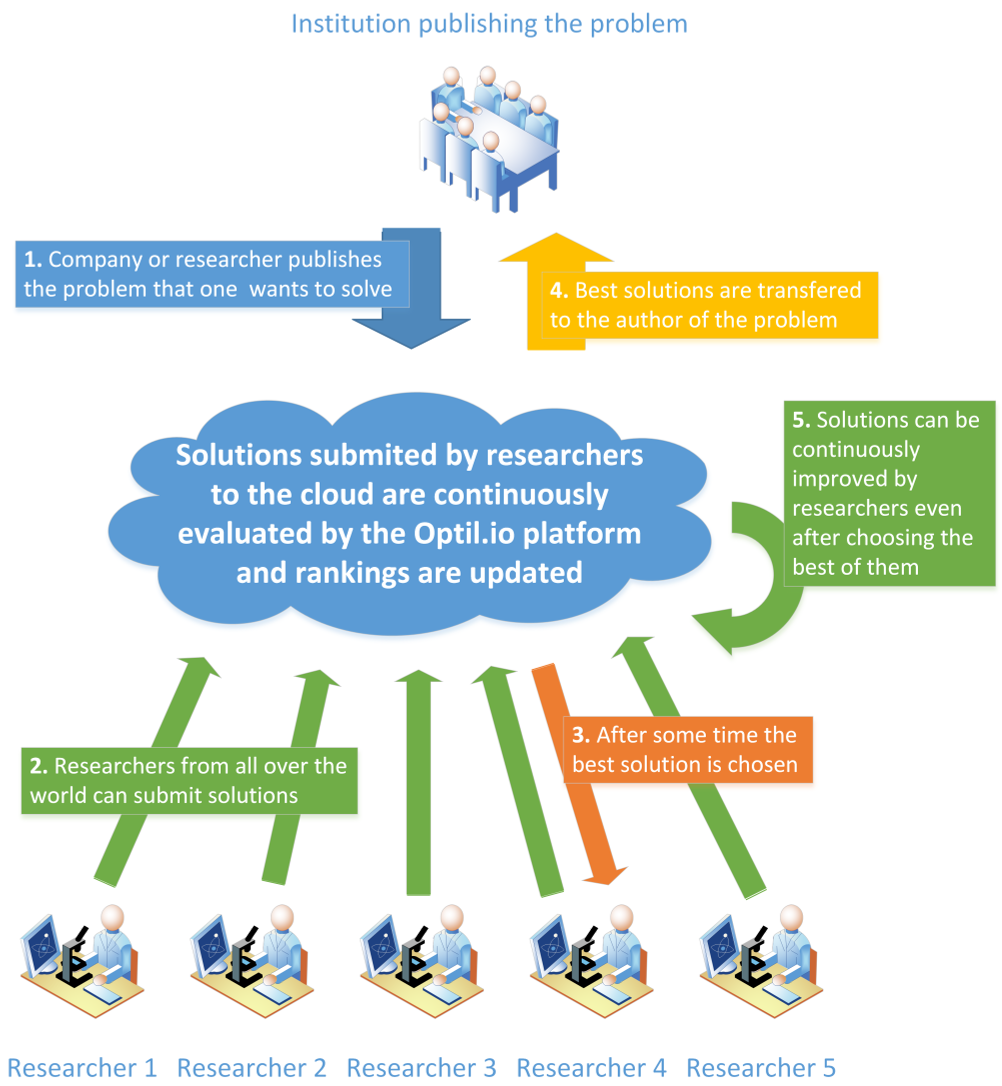 Figure 1: The execution and evaluation pipeline from submission to ranking.
Competition & Market Context
The paper provides a refreshing look at the crowdsourcing landscape of the mid-2010s. While platforms like Kaggle were booming, they were limited to data mining. Optil.io entered a space where the complexity of the solution (the software itself) was the primary deliverable.
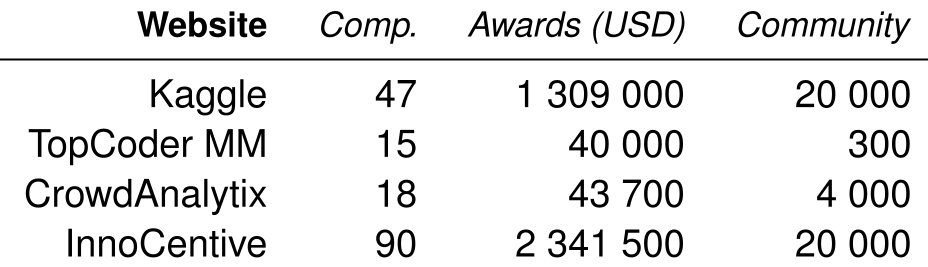 Table 1: Competitive landscape showing the dominance of Kaggle and InnoCentive at the time.
Critical Insight & Future Impact
The true value of Optil.io isn't just in the ranking—it's in the standardization of the environment. By enforcing a "homogeneous run-time," the platform removes the noise of hardware differences.
Limitations and Looking Forward
While revolutionary at the time, the paper leaves some questions open:
- Security: Executing arbitrary code in the cloud is inherently risky; the paper mentions "careful assessment" but doesn't detail the containerization/sandboxing tech (e.g., the transition to Docker was just beginning in 2016).
- Algorithm Diversity: Optimization isn't just about speed; it's often about robustness across diverse edge cases, which requires massive, high-quality benchmark libraries.
Takeaway
Optil.io set the stage for modern "Benchmarking-as-a-Service." For organizations today, it suggests that the best way to solve a hard problem isn't just to hire a consultant, but to build a transparent, automated arena where the world's best algorithms can compete on a level playing field.