
Sunk Investments in E-Commerce: How Small Businesses Build Digital Trust
Optimizing sunk investments in e-commerce: a quality assurance challenge for small businesses
This paper presents a two-period economic model to optimize "sunk investments" in e-commerce for Small and Medium Enterprises (SMEs). It introduces a framework where Web development expenditures act as a quality signaling mechanism, analogous to traditional branding, to establish consumer trust and secure repeat purchases.
TL;DR
In the digital marketplace, your website is more than a brochure—it is a financial hostage. This paper argues that for small businesses (SMEs), the resources spent on Web development act as "sunk costs" that signal product quality to a global audience. By analyzing a two-period economic model, the author demonstrates how these investments reduce the perceived risk of "bad transactions" and build long-term brand loyalty.
Background: The Reputation Gap
In traditional retail, a local shop builds trust through years of physical presence. Moving to e-commerce strips this away. A consumer in Tokyo buying from a small artisan in Ontario faces significant information asymmetry: Will they steal my credit card? Is the product actually durable?
The author positions this as a Quality Assurance Challenge. Small businesses lack the "brand name" of a multinational, meaning they must find innovative ways to prove they are here to stay.
The Economic Logic: Sunk Cost as a Signal
The central thesis of the paper is governed by a fascinating economic intuition: Calculated Expenditure = Commitment.
If a firm spends $10,000 on a high-quality, secure, and well-supported e-commerce platform, they cannot recover that money if they provide poor service and the customer never returns. Therefore, the "sunk cost" itself provides the incentive for the firm to maintain quality.
The Pricing Model
The author defines the price a customer is willing to pay as: Where represents the transaction experience. If the experience is expected to be "bad" (probability ), the willingness to pay drops significantly.
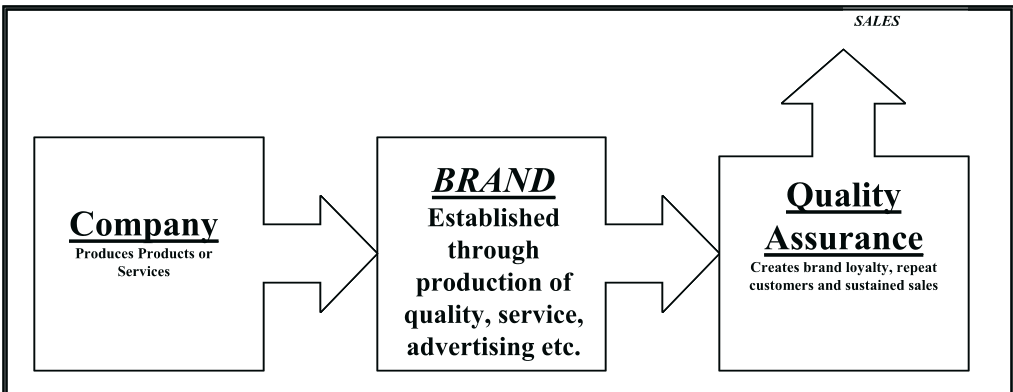 Fig 1. Traditional pathways for reputation building vs. the digital barrier.
Methodology: The Two-Period Value Function
The paper uses a mathematical model to find the "Optimal Supply" () and investment level. The value of the firm is the net present value of two periods of cash flows.
The critical discovery is the Sensitivity of :
- Under-investment: If a website looks "cheap," users undervalue the product quality.
- Over-projection: If a site looks "flashy" but costs little to make (deception), it creates false expectations that lead to disillusionment and zero repeat sales in Period 2.
The Small Business Survival Strategy: "Purchased Trust"
Since most SMEs cannot afford the "ideal" level of investment to signal quality independently, the paper identifies a clever workaround: The Community Storefront.
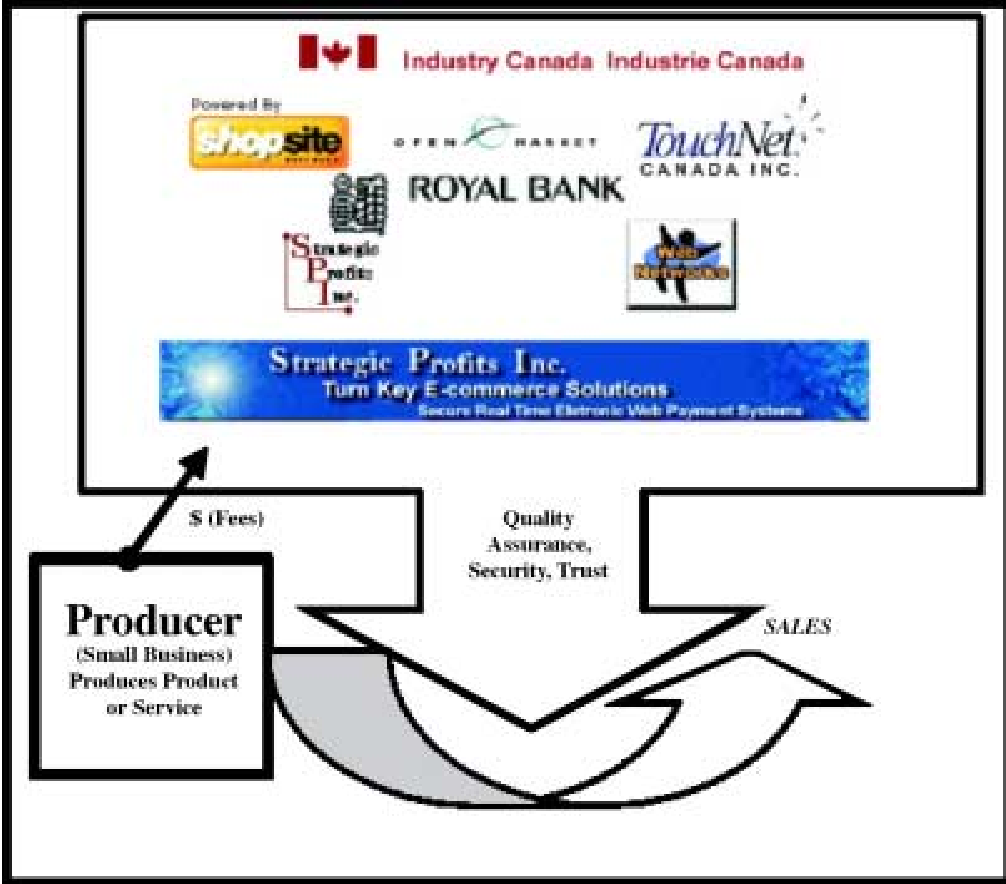 Fig 2. Borrowing reputation through visual association with trusted institutions.
Instead of building an expensive "reputation" from scratch, SMEs can pay a fee to join a marketplace endorsed by a trusted entity (like the Canadian Government). This shifts the branding effort from being product-specific to organization-specific.
Critical Insight & Conclusion
This paper, while written in the early 2000s, perfectly predicts the rise of platform-based trust. Today’s equivalent is the "Shopify" or "Amazon Fulfilled" badge.
Key Takeaways for Modern Tech Strategists:
- Investment is Communication: Low-barrier entry into e-commerce is a double-edged sword. If it costs nothing to start, it costs nothing to fail, which makes customers wary.
- The Factor: The probability of a "bad transaction" (security breaches, shipping delays) has a compounding negative effect on the firm’s long-term value.
- Institutional Leverage: For SMEs, "purchasing quality assurance" from a larger platform is often more mathematically optimal than trying to build a standalone digital brand.
In summary, the transition from local to global commerce requires more than just a website; it requires a visible commitment of resources that proves the seller has too much to lose by being mediocre.