
Organizational Behavior Engineering: The Human Engine Behind Global Software Sustainability
Organizational Behavior Engineering for Sustainable Global Software Development
This paper presents a customized Organizational Behavior Engineering framework applied at Siemens Technology to transition from an offshore supplier to a strategic "Software Engineering Partner." The core methodology utilizes the Sustainable Holistic Organization Development (SHOD) framework to enhance people maturity, resulting in a sustainable high-performance culture for global software development.
TL;DR
In the world of Global Software Development (GSD), we often obsess over CI/CD pipelines and Agile metrics while ignoring the most volatile variable: The Human Element. This paper by researchers at Siemens details a transition from being a simple "Offshore Supplier" to a "Strategic Partner" by treating organizational behavior as an engineering discipline. By deploying the SHOD Framework, they achieved a staggering <3% attrition rate and secured global ownership of core product segments.
Background: Beyond Process Maturity
While CMMI and other process frameworks provide a baseline, they do not guarantee sustainability. The authors argue that People Maturity is the true North Star. In complex domains (like legacy Building Technologies with 15M+ lines of code), losing a senior engineer isn't just a vacancy—it's a catastrophic leak of Intellectual Property.
The "Domain Black Box" Problem
The Indian job market is notoriously volatile. For a product that takes 2 years to "ramp up" a new hire to full productivity, high turnover is an existential threat to the business. The motivation for this work was simple: Retention is the only way to safeguard R&D investment.
Methodology: Engineering Behavior with SHOD
The authors didn't just hold "town halls"; they applied the Sustainable Holistic Organization Development (SHOD) framework. This is "Behavioral Engineering"—treating culture as a system that can be measured, analyzed, and optimized.
1. The SHOD Framework Structure
The framework operates on a feedback loop between organizational culture and Performance Management Processes (PMP).
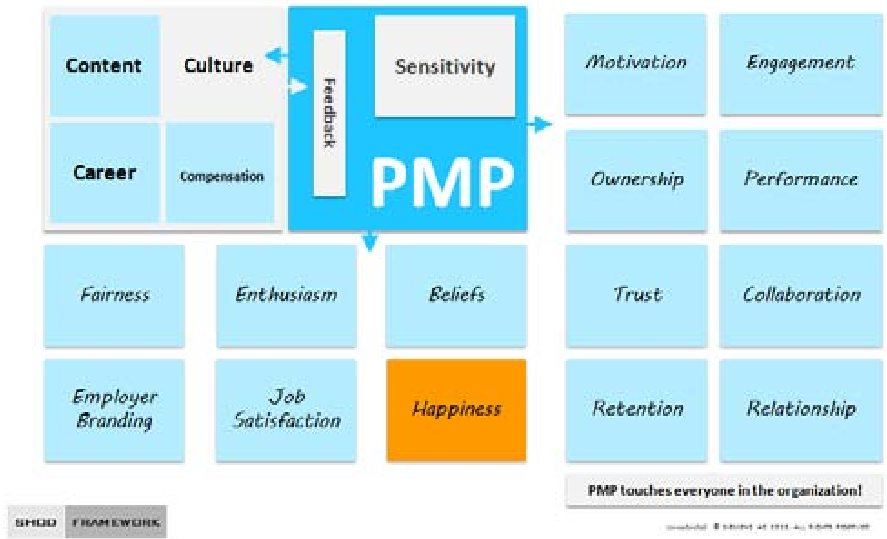 Fig 1: The architecture of the SHOD Framework, linking individual development to organizational goals.
2. Situational Leadership (The "How")
Instead of a "one-size-fits-all" management style, the team adopted Situational Leadership. This requires managers to adapt their style (Directing, Coaching, Supporting, or Delegating) based on the specific maturity and competence of each individual.
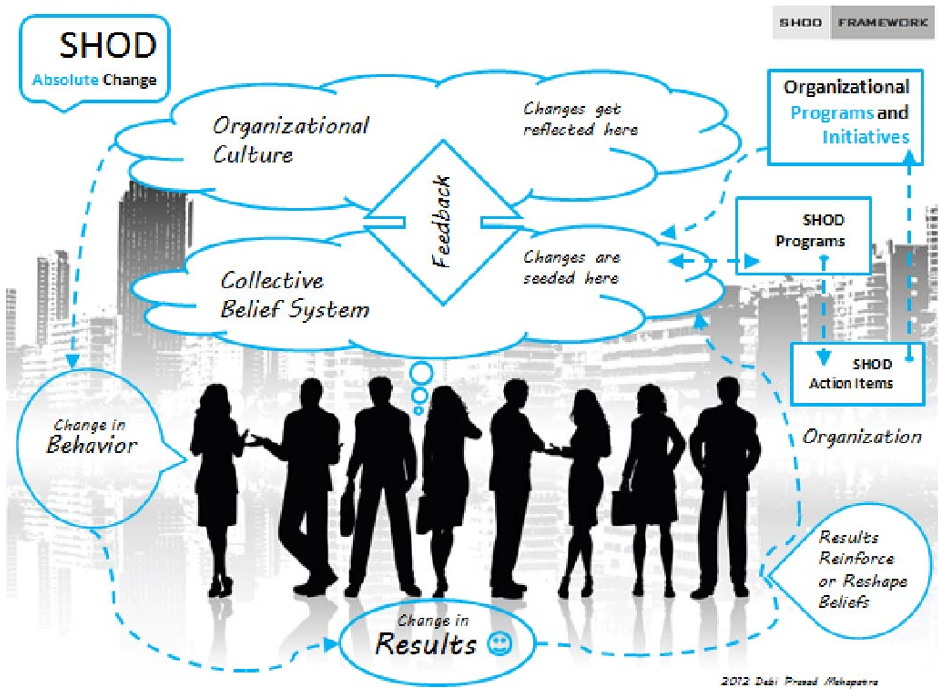 Fig 2: The systemic application of the framework through surveys and interventions.
Critical Insight: The "4C" Concept
The paper introduces a bidirectional relationship where Culture influences the Performance Management Process (PMP) and vice versa. By shifting the perception of performance reviews from "an administrative formality" to a "tool for professional progression," they achieved a 55% positive shift in how employees viewed the company.
Results & Competitive Edge
The quantitative and qualitative outcomes of this "Behavioral Engineering" are impressive:
- Attrition < 3%: In an industry known for double-digit turnover.
- Global Ownership: The team didn't just fix bugs; they became the global leads for Test Management and Technical Documentation for primary Siemens products.
- Skill Certification: Key leaders achieved global "Software Architect" certifications, proving that the culture fostered high-level technical growth.
Critical Analysis & Conclusion
Takeaway
The core philosophy—"Chase Excellence & Success Will Follow"—wasn't just a slogan; it was baked into the role definitions and empowerment structures. By allowing individuals the "freedom to experiment and commit mistakes," Siemens Pune created a Learning Organization that became indispensable to its global parent.
Limitations
The authors acknowledge a significant hurdle: The Engineer-as-Manager problem. Most software leads have an "engineering mindset" but lack formal leadership education. Overcoming this requires massive investment in "soft skill" training (Coaching, Counseling, Critical Reasoning), which many organizations might find too expensive or time-consuming.
Future Outlook
As AI begins to handle more rote coding tasks, the value of Domain Expertise and Organizational Context will only increase. Frameworks like SHOD that prioritize human IP retention over sheer headcount will likely become the blueprint for high-value R&D centers globally.