
Paclobutrazol: The Master Switch for Plant Architecture and Stress Resilience
Paclobutrazol as a plant growth regulator
This review paper examines Paclobutrazol (PBZ), a potent triazole plant growth regulator (PGR) that enhances crop yields and abiotic stress tolerance. It achieves SOTA-level height control in ornamentals and fruit trees while significantly improving fruit quality (TSS, sugars) and tuber specific gravity.
TL;DR
Paclobutrazol (PBZ) is more than just a growth retardant; it is a physiological "reprogrammer." By inhibiting Gibberellin (GA) biosynthesis, PBZ redirects a plant's metabolic energy from vertical "stretching" toward root development, fruit quality, and environmental defense. Whether applied as a soil drench or foliar spray, it offers a dual benefit of SOTA yield enhancement and robust protection against chilling, drought, and heat.
Contextual Positioning
In the landscape of agricultural chemistry, PBZ sits as the powerhouse of the triazole family. While originally known for its fungicidal properties, its role as a Plant Growth Regulator (PGR) has revolutionized the management of perennials, fruit trees (like Mango), and tuber crops (like Potato). It is the industry standard for controlled-height ornamentals and off-season fruit induction.
The Problem: The High Cost of Rapid Growth
In many crops, excessive vegetative growth is a liability. It leads to:
- Lodging: Tall, weak stems in grains that collapse under wind or rain.
- Resource Misallocation: Nutrients being spent on "useless" leaves rather than fruits or tubers.
- Stress Vulnerability: Rapidly growing tissues often lack the protective pigments and thick cuticles needed to survive extreme temperatures.
Methodology: How PBZ "Short-Circuits" the Growth Pathway
The brilliance of PBZ lies in its precise interference with the isoprenoid pathway.
1. The Anti-Gibberellin Mechanism
PBZ blocks the oxidation of ent-kaurene by inactivating cytochrome P450-dependent oxygenases. Since Gibberellins (GAs) are responsible for cell elongation, their absence causes cells to divide but not stretch. This results in the same number of nodes packed into a much shorter, sturdier stem.
2. The Abscisic Acid (ABA) Shunt
When the GA pathway is blocked, metabolic precursors are diverted toward the production of ABA. This "stress hormone" triggers stomatal closure and the synthesis of protective waxes, making the plant inherently more drought-resistant.
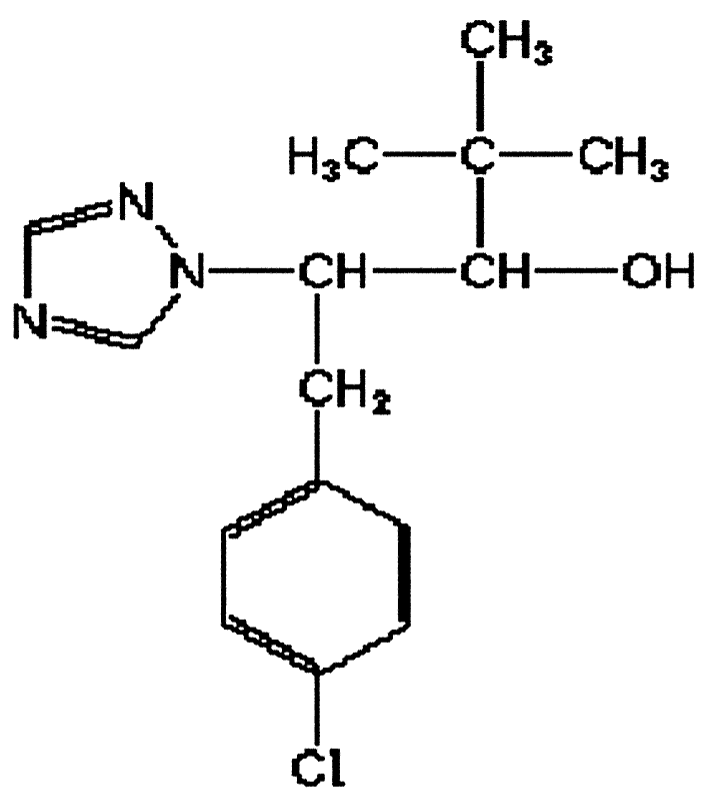 Figure 1: The chemical structure and inhibitory site of PBZ within the biosynthetic pathway.
Experiments & Results: Quantifying the Impact
The review highlights dramatic shifts in crop performance across multiple species:
- Yield Explosion: In Mango (var. Alphonso), soil application led to a 2.8x increase in yield and enabled regular fruiting in "off" years.
- Anatomical Reinforcement: Potato plants treated with PBZ showed a 24% increase in leaf thickness, primarily through larger palisade cells and thicker mesophyll, functioning as a physical barrier against water loss.
- Quality Enhancement: Significant increases in Total Soluble Solids (TSS) and sugars were observed in fruits, alongside increased starch content in tubers like cassava and yam.
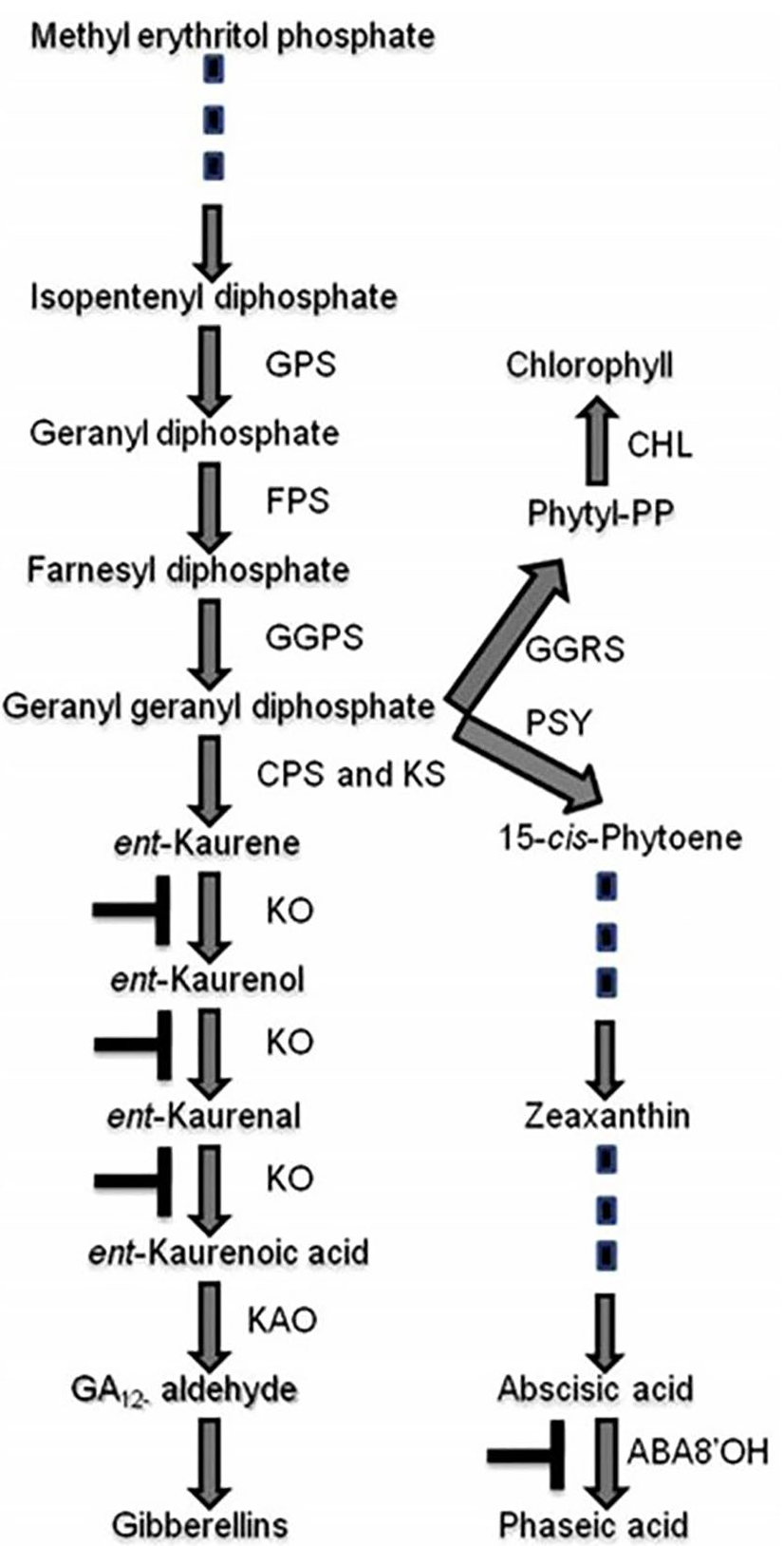 Figure 2: Comparative effectiveness of PBZ application methods on plant physiology.
Critical Analysis: A Double-Edged Sword
While the benefits are clear, the "Academic PhD" perspective requires acknowledging the risks:
- Soil Persistence: PBZ has a half-life of 6-12 months. Over-application can lead to long-term "stunting" of subsequent crops.
- Inhibitory Persistence: While it enhances fruit quality, high residues can stay in the fruit, raising food safety concerns that require strict adherence to "days-to-harvest" windows.
- Dosage Sensitivity: There is a thin line between "compact growth" and "growth arrest." For instance, in Camelina, 100 mg L⁻¹ boosted yield, but 125 mg L⁻¹ caused severe retardation.
Conclusion & Future Outlook
PBZ serves as a vital bridge between high-intensity agriculture and environmental resilience. For researchers, the next frontier lies in targeted delivery systems that minimize soil residue while maximizing the "Stay-Green" effect. As we face a changing climate, using PBZ to "harden" crops against abiotic stress might be just as important as using it to increase their fruit count.